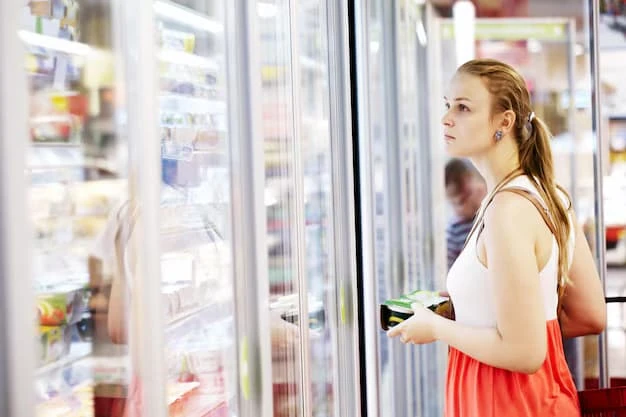

In today’s fast-paced world, businesses and organizations are constantly looking for ways to enhance workplace convenience, employee satisfaction, and overall productivity. One effective approach that is gaining attention is the integration of vending and food service solutions. By combining these two services, companies can provide a wider variety of food and beverage options while also streamlining operations and meeting the diverse needs of employees and visitors.
The Importance of Workplace Food Options
Meeting Employee Expectations
Modern employees expect more than just a paycheck. They value convenience, wellness, and flexibility in their work environments. Having easy access to healthy meals, snacks, and beverages within the workplace makes daily routines smoother and saves time.
Supporting Health and Wellness
Providing balanced and nutritious food choices contributes to employee well-being. Organizations that integrate vending and food service solutions often offer fresh meals, healthy snacks, and hydration options that align with wellness programs. This can lead to improved morale, reduced absenteeism, and higher engagement levels.
Advantages of Combining Vending and Food Service
Greater Variety of Choices
When vending machines are complemented with food service solutions such as micro markets or cafeteria-style setups, employees benefit from a more extensive menu. Instead of being limited to packaged snacks, they can enjoy freshly prepared meals, salads, or hot beverages.
Enhanced Convenience
With combined services, employees no longer need to leave the workplace to grab lunch or snacks. This reduces wasted time and ensures they can quickly refuel without disrupting their workflow. Convenience also extends to visitors and clients, who appreciate having access to refreshments onsite.
Cost-Effective for Employers
For organizations, merging vending and food service solutions can reduce overhead costs compared to operating a full-scale cafeteria alone. Vending machines provide 24/7 availability with minimal staffing needs, while food service ensures variety during peak hours. Together, they strike a balance between affordability and employee satisfaction.
Flexible Options for All Workplace Sizes
Whether it’s a small office, a large corporate campus, or an industrial site, combined services can be scaled to meet specific needs. Small businesses may rely more on vending machines with occasional food service support, while larger companies can implement full food stations alongside vending units.
How Combined Services Boost Workplace Culture
Encouraging Social Interaction
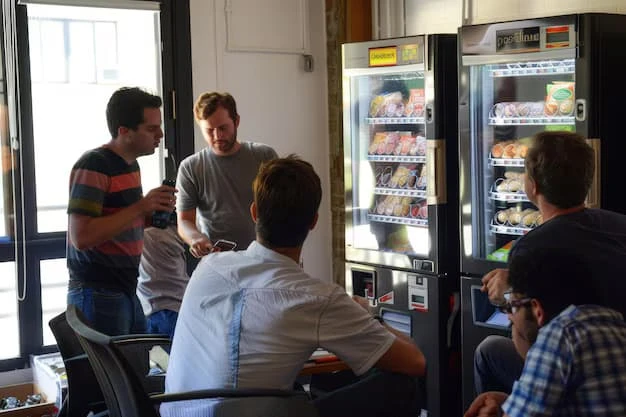
Shared spaces where vending and food service solutions are available naturally encourage employees to gather, take breaks together, and build stronger workplace relationships. This fosters a sense of community and collaboration.
Promoting Productivity
Access to convenient food and drinks minimizes long breaks or the need to step out of the office. Employees stay energized and focused, which enhances overall productivity.
Supporting Diversity in Food Preferences
Workforces are often diverse, with different dietary needs and cultural food preferences. Combining vending and food service ensures that there are options to satisfy varied tastes, whether it’s vegetarian, gluten-free, or protein-rich diets.
Technology and Innovation in Vending and Food Service
Smart Vending Solutions
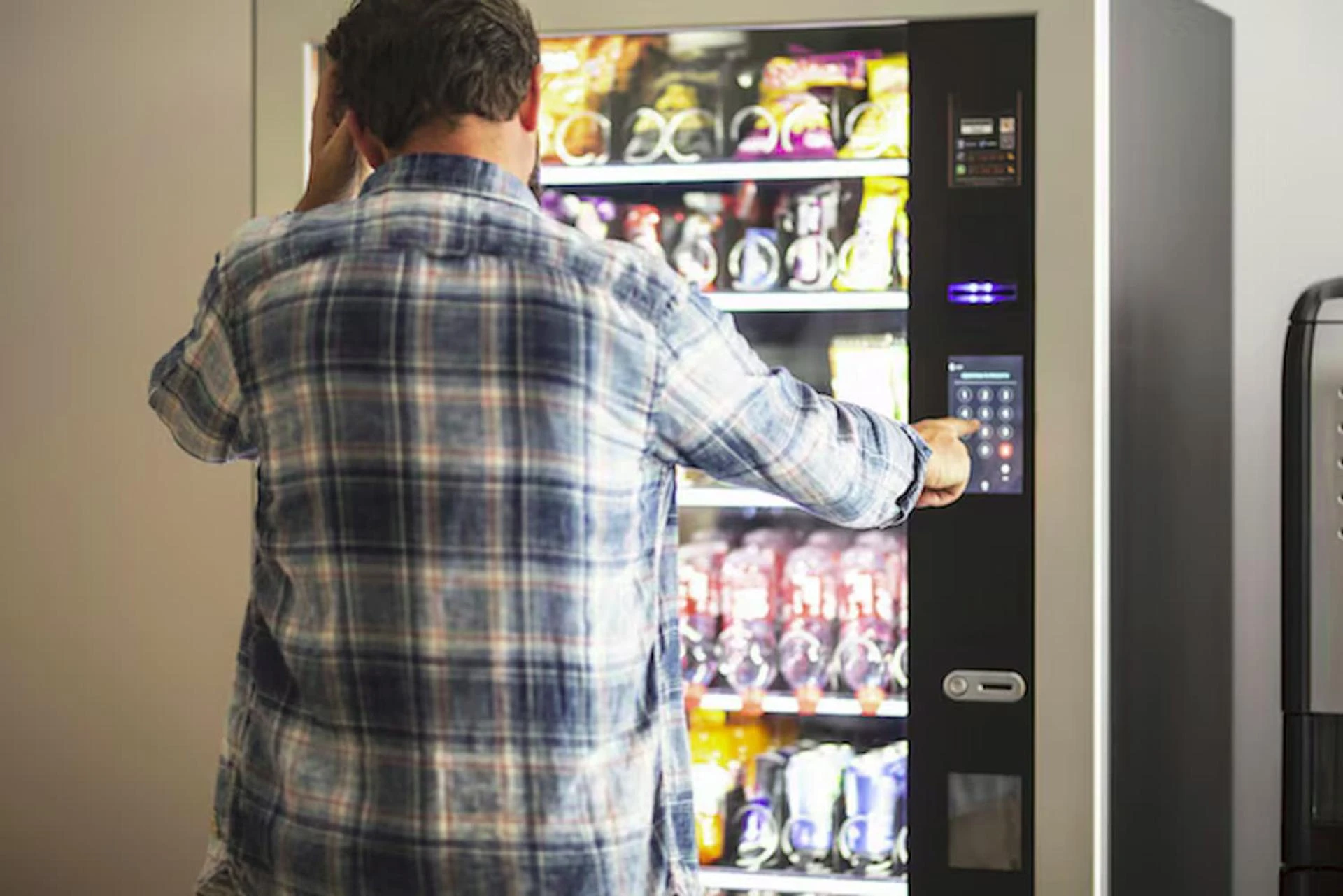
Modern vending machines are equipped with digital payment systems, touchscreens, and real-time inventory tracking. This technology enhances the user experience while ensuring machines are always stocked with popular items.
Integration with Food Service Programs
Technology allows vending and food service solutions to work hand in hand. For example, employees may use a single payment card or app to access both vending snacks and cafeteria meals. Data analytics can also help providers understand consumption patterns and tailor offerings.
Sustainability and Eco-Friendly Practices
Many organizations are prioritizing sustainability, and combined services can support these goals. From machines stocked with eco-friendly packaging to food service programs that reduce waste through portion control, the integration helps build greener workplaces.
Benefits Beyond the Workplace
Enhancing Visitor Experience
When clients or visitors come to an office, having access to refreshments creates a welcoming environment. A well-designed vending and food service setup adds professionalism and hospitality to the workplace.
Supporting Remote and Hybrid Work Models
Even in hybrid work environments, employees still value access to quality food and beverages when they are onsite. Offering these solutions helps encourage employees to return to the office and enjoy the amenities provided.
Best Practices for Implementing Combined Solutions
Assessing Employee Needs
Organizations should start by gathering feedback from employees to understand their food and snack preferences. This ensures that the combined vending and food service options align with actual demand.
Partnering with Reliable Providers
A successful program depends on working with providers who can deliver consistent quality, maintain equipment, and ensure variety in offerings. Reliability is key to keeping employees satisfied.
Regularly Updating Offerings
Tastes and preferences change over time. By rotating menu items and introducing seasonal or limited-time selections, companies can keep the food experience engaging and fresh.
Conclusion
Combining vending and food service solutions creates a balanced, convenient, and cost-effective way for organizations to support employee wellness, workplace culture, and productivity. From offering a wider range of choices to fostering social connections and embracing sustainable practices, this integration delivers benefits that go far beyond simple convenience.
If your organization is ready to elevate the workplace experience with smart and tailored food solutions, explore how healthy vending new york can help you create the perfect balance.











Sign in to leave a comment.