

Pregnancy is a transformative period in a woman’s life, accompanied by physical changes, emotional adjustments, and the anticipation of welcoming a new life. While pregnancy is a natural process, it can also bring discomforts such as back pain, swollen feet, and muscle tension. Many expecting mothers seek safe and effective ways to alleviate these challenges. Prenatal massage has become an increasingly popular option, offering a therapeutic and holistic approach to support physical comfort and emotional well-being throughout pregnancy.
This article explores the benefits of prenatal massage, how it can support expecting mothers, and why incorporating it into a wellness routine can enhance the overall pregnancy experience.
Understanding Prenatal Massage
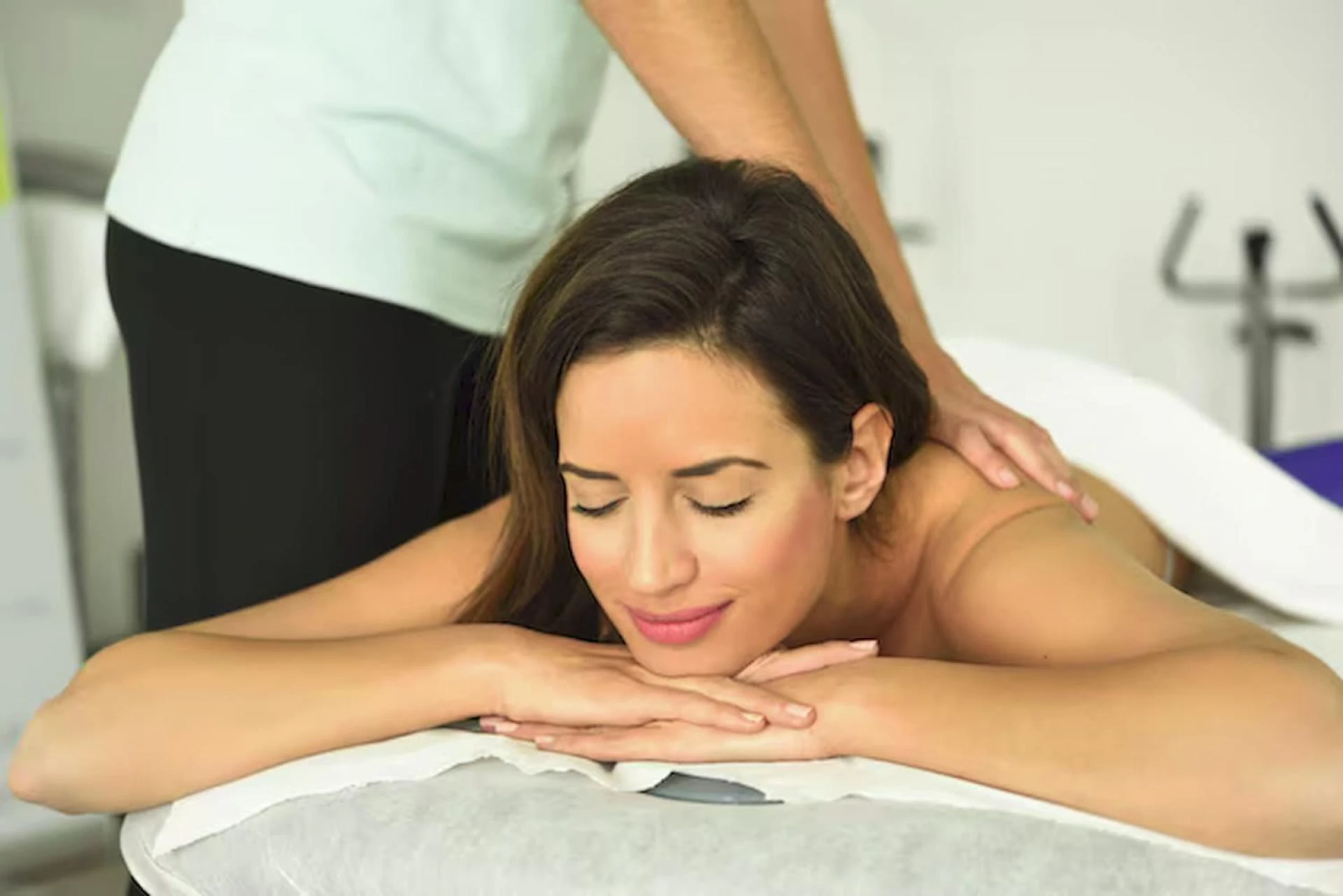
Prenatal massage is a specialized form of massage therapy designed to address the unique needs of pregnant women. It focuses on improving circulation, reducing muscle tension, and promoting relaxation while ensuring safety for both mother and baby.
The Goals of Prenatal Massage
The primary goal of prenatal massage is to alleviate discomforts associated with pregnancy, such as lower back pain, leg cramps, and swelling. Additionally, it supports emotional health by reducing stress, anxiety, and fatigue. Prenatal massage provides a holistic approach that considers the physical, mental, and emotional well-being of expecting mothers.
Differences from Traditional Massage
Unlike standard massage, prenatal massage uses techniques that are safe for pregnancy, including specialized positioning to avoid pressure on the abdomen. The therapist may use pillows, cushions, or side-lying positions to ensure comfort and safety. The pressure applied is also adapted to accommodate sensitive areas and increased body weight.
Physical Benefits of Prenatal Massage
Pregnancy brings significant changes to the body, and prenatal massage can provide targeted relief for these physical challenges.
Reducing Back and Joint Pain
As the body adjusts to the growing baby, the spine and joints experience added stress. Prenatal massage helps relieve tension in the lower back, hips, and shoulders. By loosening tight muscles and improving alignment, expecting mothers can experience reduced discomfort and improved mobility.
Alleviating Swelling and Fluid Retention
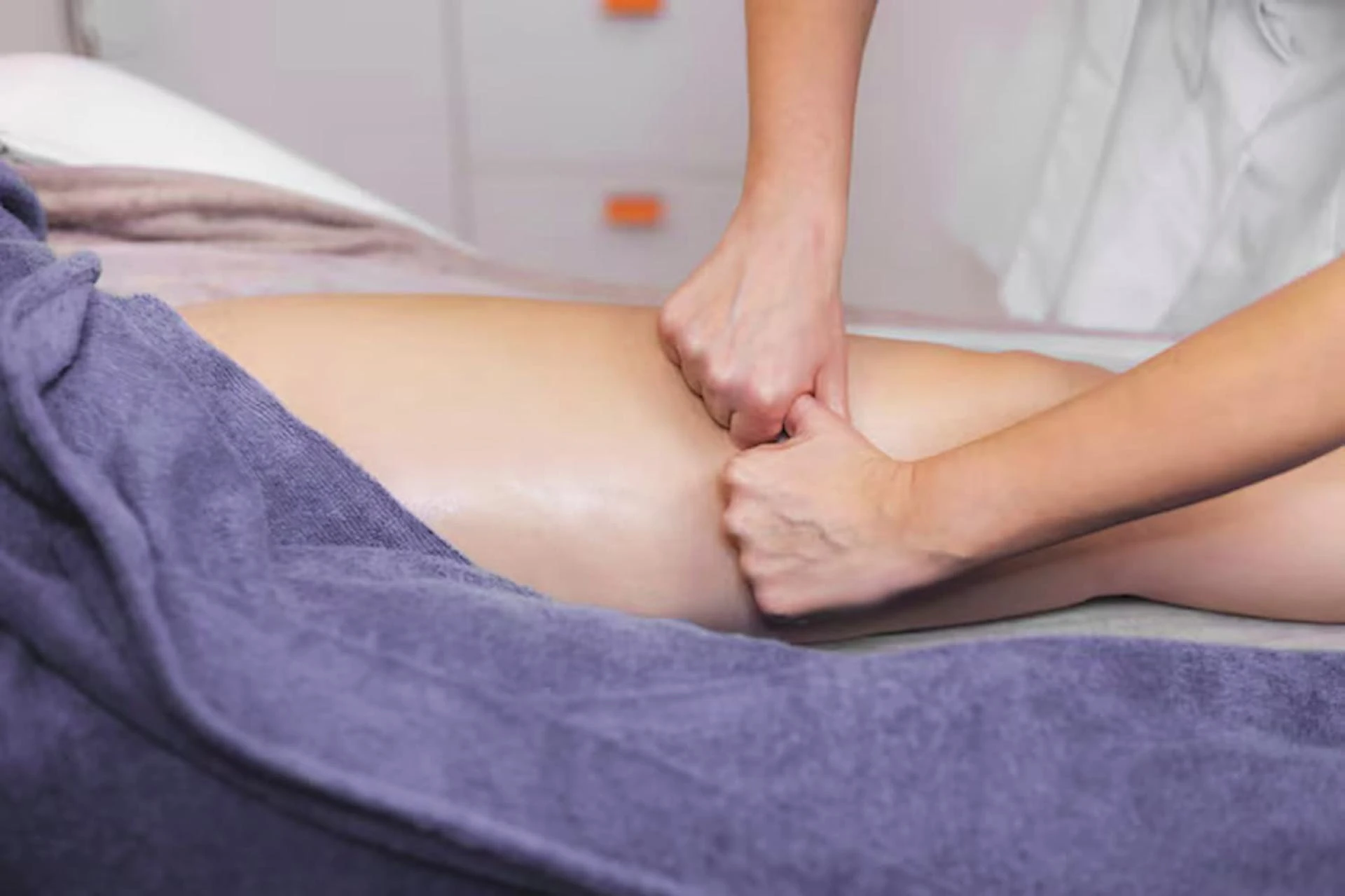
Swelling in the feet, ankles, and hands is common during pregnancy. Prenatal massage promotes lymphatic drainage and circulation, which helps reduce fluid buildup and relieve associated discomfort.
Easing Muscle Cramps and Fatigue
Pregnancy-related muscle cramps, particularly in the legs, can interfere with rest and daily activities. Prenatal massage improves blood flow and relaxes muscles, reducing the frequency and intensity of cramps while enhancing overall energy levels.
Supporting Postural Changes
The body’s center of gravity shifts during pregnancy, which can lead to strain and postural discomfort. Prenatal massage helps correct muscular imbalances and supports proper posture, reducing the risk of long-term musculoskeletal issues.
Emotional and Psychological Benefits
In addition to physical relief, prenatal massage offers significant emotional and psychological advantages for expecting mothers.
Reducing Stress and Anxiety
Pregnancy can be emotionally challenging, with changes in hormones and lifestyle contributing to stress and anxiety. Prenatal massage triggers relaxation responses, helping to lower cortisol levels and induce a sense of calm.
Promoting Emotional Well-being
Regular prenatal massage sessions can help improve mood, reduce irritability, and enhance overall emotional balance. This support is valuable in managing the psychological ups and downs that often accompany pregnancy.
Encouraging Mindfulness and Connection
Prenatal massage allows expecting mothers to focus on their bodies and connect with the baby. This mindful experience promotes awareness, self-care, and emotional bonding during pregnancy.
Safety Considerations for Prenatal Massage
Safety is a primary concern when providing massage therapy during pregnancy. Prenatal massage should be performed by a licensed and experienced practitioner trained in techniques appropriate for expecting mothers.
Proper Positioning
Therapists use side-lying or semi-reclined positions to ensure comfort and avoid putting pressure on the abdomen. Specialized pillows and supports may be used to maintain proper alignment.
Avoiding Contraindications
Certain medical conditions or high-risk pregnancies may require modifications or avoidance of massage. It is important for expecting mothers to consult their healthcare provider before beginning prenatal massage.
Gentle Pressure and Technique Adaptation
Prenatal massage uses gentle, controlled pressure that avoids excessive force. Techniques are adapted to accommodate sensitive areas and ensure both mother and baby remain safe throughout the session.
Integrating Prenatal Massage into a Wellness Routine
Prenatal massage is most effective when combined with other wellness practices that support pregnancy health.
Complementary Practices
Expecting mothers often benefit from combining prenatal massage with stretching, prenatal yoga, or gentle exercise to improve flexibility and circulation.
Determining Session Frequency
The frequency of prenatal massage depends on individual needs, stage of pregnancy, and overall health. Some may benefit from weekly sessions, while others find monthly sessions sufficient for maintaining comfort and relaxation.
Encouraging Home Self-Care
Simple self-care practices, such as gentle stretching, hydration, and mindfulness exercises, enhance the benefits of prenatal massage and promote long-term comfort.
Long-Term Benefits of Prenatal Massage
Prenatal massage not only supports immediate comfort but can also have long-term advantages for mothers and babies.
Preparing the Body for Labor
By reducing tension and improving flexibility, prenatal massage can help prepare the body for labor. Relaxed muscles and improved circulation may contribute to a smoother birthing process.
Supporting Postpartum Recovery
The physical and emotional benefits of prenatal massage can extend into the postpartum period. Reduced muscle tension and improved circulation support recovery, while the relaxation benefits can help manage postpartum stress.
Enhancing Overall Health and Well-being
Regular prenatal massage contributes to improved overall health by supporting both physical and emotional balance. Expecting mothers often report higher energy levels, better sleep quality, and a stronger sense of well-being.
Choosing the Right Prenatal Massage Practitioner
Selecting a qualified and experienced prenatal massage therapist is essential for safety and effectiveness.
Credentials and Training
The best prenatal massage therapists have specialized training in pregnancy massage techniques and are knowledgeable about safety considerations and contraindications.
Experience and Comfort Level
Experience working with pregnant clients ensures that therapists can adapt techniques to individual needs. A therapist who fosters a calm and supportive environment enhances the overall experience.
Client-Therapist Communication
Open communication allows clients to express concerns, preferences, and feedback during sessions, ensuring a personalized and safe approach to care.
Conclusion
Prenatal massage offers a wide range of benefits for expecting mothers, including relief from physical discomfort, reduced stress and anxiety, improved circulation, and enhanced emotional well-being. By providing a safe, gentle, and supportive approach, prenatal massage can improve overall quality of life throughout pregnancy and support preparation for labor and postpartum recovery. Expecting mothers seeking professional and therapeutic prenatal massage services can rely on Chiropractic Massage for care designed to promote balance, comfort, and wellness during this transformative time.












Sign in to leave a comment.