
A Private Limited Company (Pvt Ltd) is a popular business organization in India, renowned for its flexibility, limited liability, and ease of ownership transfer. Governed by the Companies Act, of 2013, it is ideal for startups and businesses with growth ambitions. Key features include limited liability protection for shareholders, a separate legal entity status, perpetual succession, and ease of ownership transfer. It also attracts investments and offers tax benefits. With requirements like a minimum of two directors and shareholders, a registered office address, and no minimum capital, it’s an attractive option for entrepreneurs and investors.
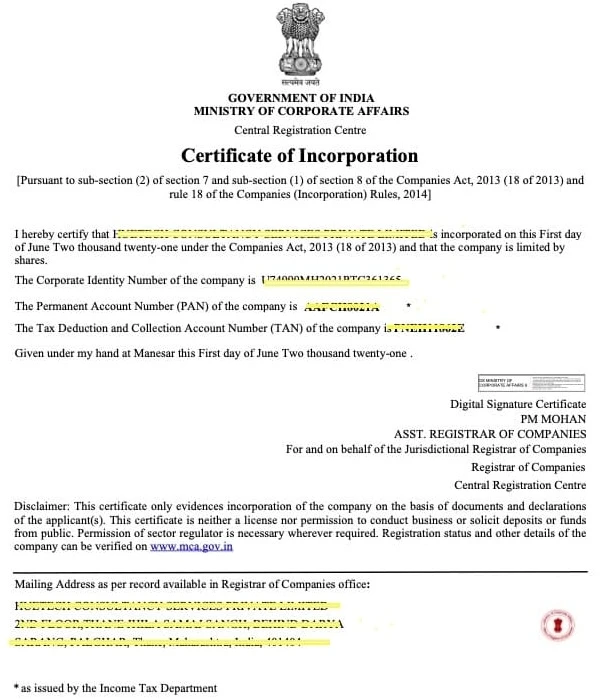
Here are the Benefits of Private Ltd Company Registration:
1. Limited Liability Protection:
A private limited company offers limited liability protection to its shareholders, meaning their personal assets are safeguarded in case the company faces financial distress or legal issues. Shareholders are only liable for the company's debts up to the amount they have invested. This protection is crucial for entrepreneurs and investors, as it mitigates the risk of personal financial loss and encourages investment in business ventures without the fear of personal bankruptcy. This feature provides peace of mind to business owners, allowing them to focus on growth and innovation without the constant worry of personal financial jeopardy.
2. Enhanced Credibility and Professionalism:
Operating as a Private limited company can significantly enhance the credibility and professionalism of your business. This structure is often perceived as more trustworthy and reliable compared to sole proprietorships or partnerships. It can improve relationships with customers, suppliers, and financial institutions, making it easier to secure loans and negotiate favorable terms. The perception of stability and formal structure can attract more business opportunities and partnerships, contributing to long-term growth and success. Additionally, being a registered entity often lends a sense of legitimacy and permanence, appealing to a broader range of potential clients and partners.
3. Access to Funding and Investment Opportunities:
Private limited companies have greater access to funding and investment opportunities. They can raise capital through the issuance of shares, attracting investors who are more willing to invest in a structured and regulated entity. This structure also allows for easier entry and exit for investors, enhancing the company's ability to attract long-term capital. Additionally, banks and financial institutions are more likely to provide loans to private limited companies due to their perceived stability and formal governance. The ability to draw in venture capitalists and private equity firms also increases, providing essential funds for expansion and innovation.
4. Perpetual Succession and Continuity:
A private limited company enjoys perpetual succession, meaning its existence is not affected by changes in ownership or management. This ensures business continuity even if shareholders or directors leave or pass away. The company's operations can continue uninterrupted, providing stability and long-term planning capabilities. This characteristic is beneficial for maintaining relationships with clients and suppliers, as well as for implementing strategic growth initiatives without the disruption associated with changes in ownership. It also means the company can have an enduring legacy, transcending the lifespans of its original founders and investors.
5. Tax Benefits and Planning:
Private limited companies often benefit from various tax advantages and incentives offered by the government. They may be eligible for lower corporate tax rates, deductions for business expenses, and exemptions that are not available to other types of business structures. Additionally, companies can plan their finances more effectively, taking advantage of tax deferrals and credits. The ability to retain earnings and reinvest profits back into the business without immediate tax implications allows for more strategic financial management, aiding in growth and development. This can significantly enhance the company's profitability and sustainability over time.
6. Ownership and Control Flexibility:
Private limited companies offer flexibility in ownership and control, allowing shares to be distributed among a select group of shareholders. This structure enables the original owners to retain significant control over the business while also bringing in additional investors as needed. Shareholders can sell or transfer their shares without affecting the company's operations, providing liquidity and flexibility. The ability to attract skilled professionals to the board by offering shares as incentives can also enhance the company's management and governance. This flexibility supports the company's adaptability to changing business environments and strategic objectives, ensuring sustained competitiveness and growth.










Sign in to leave a comment.