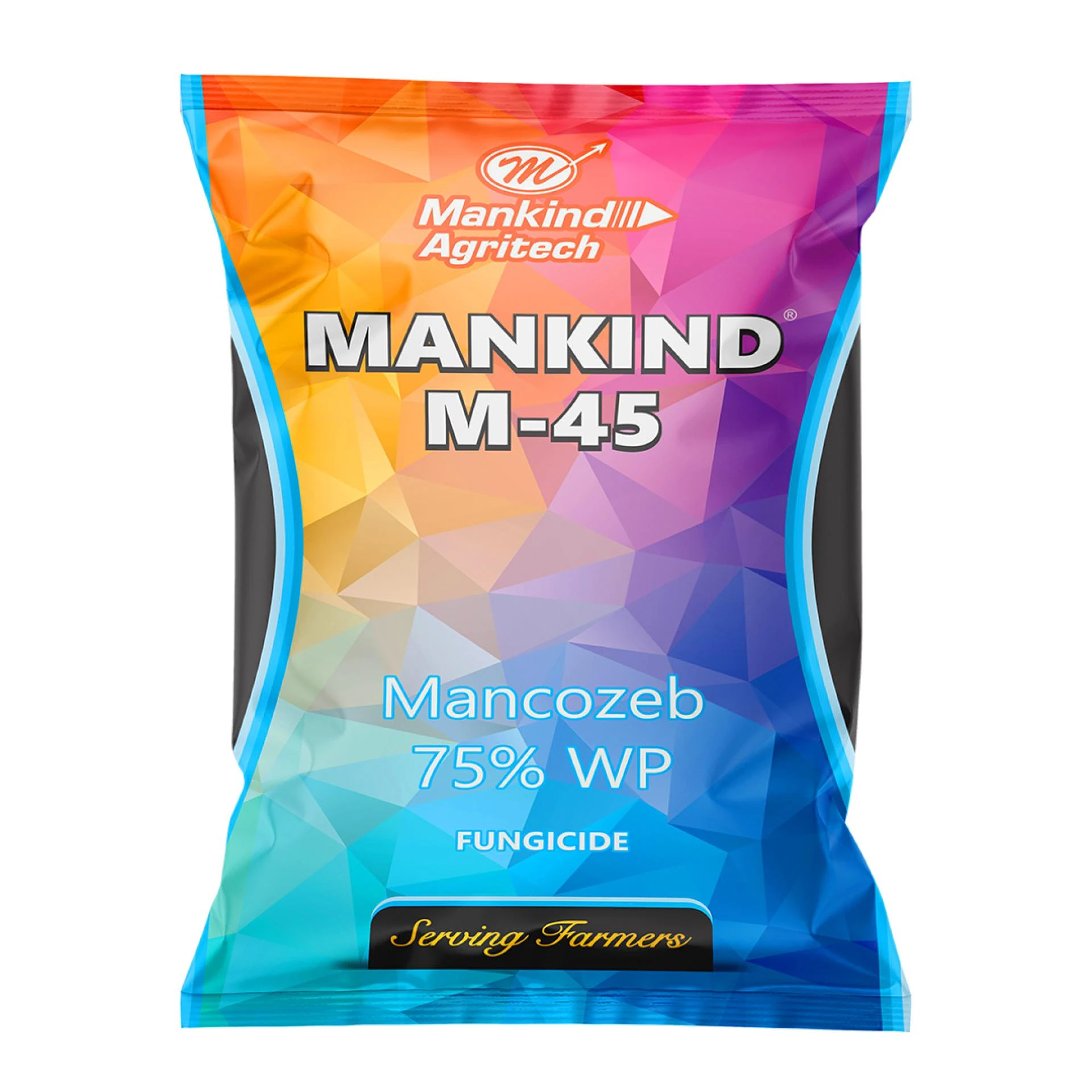

Fungal infections are among the most common and destructive threats to plants, affecting everything from small home gardens to large-scale agricultural fields. Left untreated, fungal diseases can spread rapidly, reducing crop yield, quality, and profitability. Farmers and gardeners alike need effective solutions to safeguard their crops, which is why finding the best fungicide for plants is essential. These solutions not only eliminate existing infections but also act as preventive measures, creating a protective barrier against future outbreaks.
In this article, we will explore the importance of fungicides, different types available, how to choose the right fungicide chemical, and the role of modern innovations in crop protection.
Understanding the Role of Fungicides in Agriculture
Fungicides are chemical or biological agents specifically designed to prevent and manage fungal infections in plants. They target harmful fungi that cause diseases like powdery mildew, rust, blight, and root rot. When applied correctly, fungicides ensure crops remain healthy and productive, providing farmers with a reliable defense system.
The best fungicide for plants works by either killing the fungus directly or inhibiting its growth, preventing it from spreading. By doing so, these products preserve plant vigor, extend shelf life, and improve overall agricultural sustainability.
Common Fungal Diseases in Plants
To understand the importance of fungicides, it’s vital to recognize the threats posed by fungal diseases. Some of the most common infections include:
- Powdery Mildew – White powdery patches on leaves and stems that weaken plant growth.
- Rust – Orange, yellow, or brown pustules on leaves that reduce photosynthesis.
- Downy Mildew – Yellowish spots on leaves that eventually cause wilting.
- Blight – Sudden death of leaves, stems, or flowers due to fungal invasion.
- Root Rot – Caused by soil-borne fungi, leading to stunted growth and plant death.
These diseases can devastate crops if not treated in time, which is why selecting the right fungicide chemical is crucial for effective crop protection.
Types of Fungicides
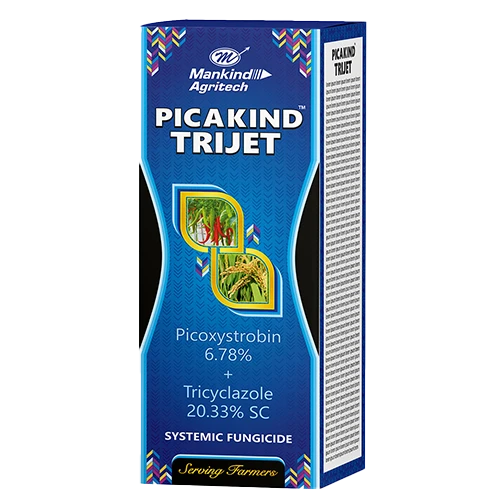
Fungicides come in different forms and modes of action, and choosing the best fungicide for plants depends on the type of crop and the specific fungal disease. The main categories include:
Contact Fungicides
These fungicides remain on the surface of plants and act as a protective shield. They prevent fungal spores from germinating but do not penetrate plant tissue. While effective for prevention, they need frequent reapplication after rain or irrigation.
Systemic Fungicides
Systemic options are absorbed by the plant and move through its tissues, providing internal protection. This makes them more effective for treating existing infections. A systemic fungicide chemical offers longer-lasting results and requires fewer applications.
Biological Fungicides
Made from naturally occurring microorganisms, biological fungicides are eco-friendly and safer for organic farming. They suppress fungal activity without harming beneficial organisms, making them an excellent choice for sustainable agriculture.
Protective vs. Curative Fungicides
- Protective fungicides are applied before infection occurs, forming a barrier.
- Curative fungicides target active fungal growth, halting the spread of disease.
Factors to Consider When Choosing the Best Fungicide for Plants
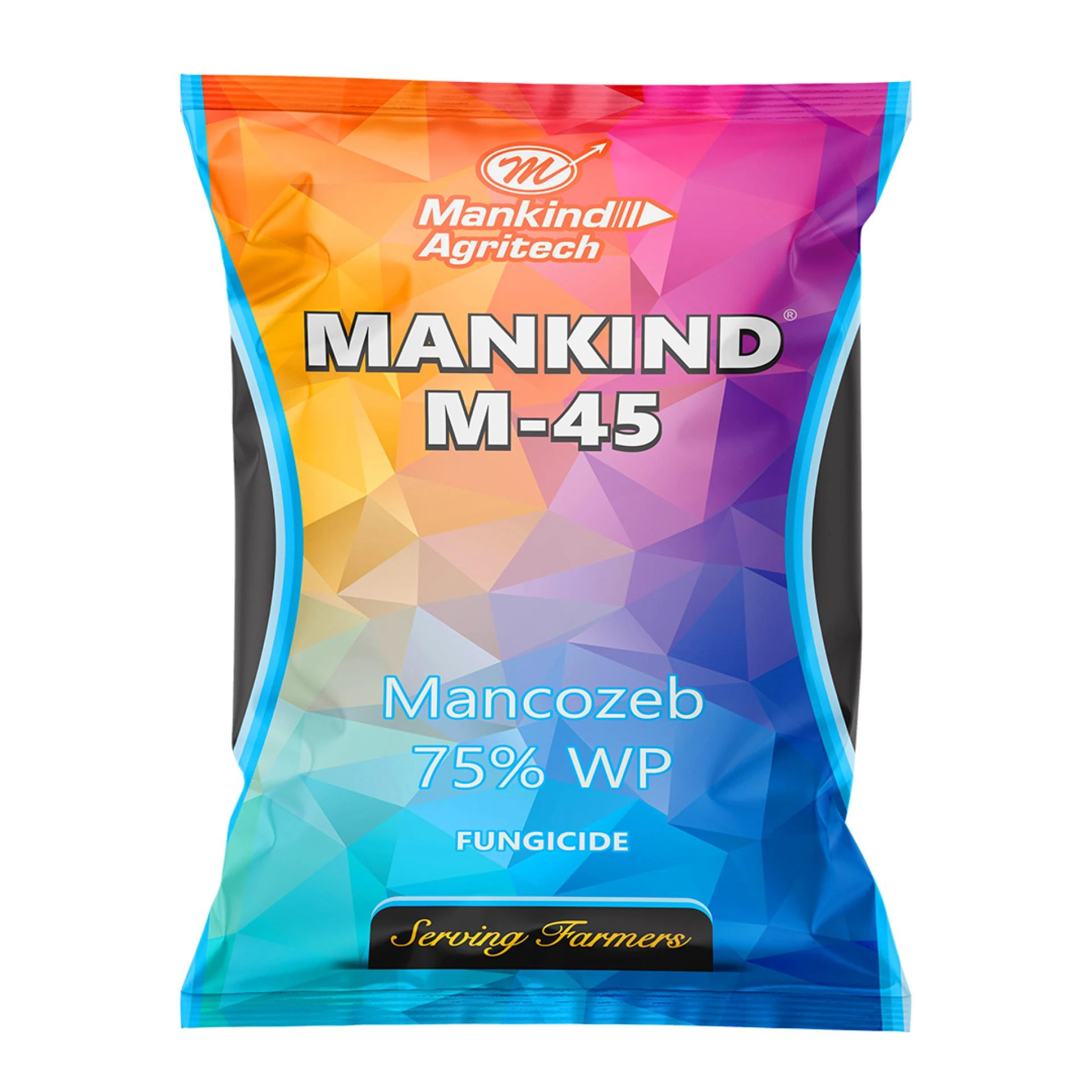
Selecting the right fungicide involves several factors:
Type of Fungal Disease – Identify the specific infection affecting your crop.
Crop Sensitivity – Some plants may be sensitive to strong chemicals.
Application Method – Whether spraying, soil treatment, or seed coating is most effective.
Environmental Safety – Opt for eco-friendly options when possible.
Resistance Management – Alternate fungicides with different modes of action to prevent resistance buildup.
By keeping these factors in mind, farmers and gardeners can maximize crop protection while minimizing environmental risks.
Benefits of Using Fungicides
The best fungicide for plants offers numerous benefits, including:
- Higher Yields – Preventing fungal infections ensures healthy growth and maximized output.
- Improved Quality – Crops free from fungal damage have better texture, color, and shelf life.
- Cost Efficiency – Investing in effective fungicides reduces long-term losses caused by crop diseases.
- Sustainability – Advanced fungicide chemical formulations minimize harm to the environment while safeguarding food security.
Innovations in Fungicide Development
Modern agriculture is rapidly evolving, and so are fungicide technologies. Companies are investing in advanced formulations to reduce chemical residues, enhance effectiveness, and support sustainable farming practices. Recent trends include:
- Nano-technology fungicides for targeted delivery.
- Combination fungicides that mix multiple active ingredients for broader protection.
- Reduced toxic chemicals for safer human and environmental interaction.
- Biological innovations that integrate eco-friendly solutions with conventional farming methods.
These innovations are helping farmers adopt a balanced approach, combining efficiency with sustainability.
Best Practices for Fungicide Application
To ensure maximum effectiveness, fungicides must be applied correctly. Here are some best practices:
- Early Detection – Apply fungicides at the first sign of infection or as a preventive measure.
- Proper Dosage – Follow manufacturer guidelines to avoid under- or over-application.
- Rotation – Use different fungicide chemical groups to reduce resistance risk.
- Environmental Awareness – Avoid spraying during windy or rainy conditions to minimize drift.
- Protective Gear – Always wear gloves, masks, and protective clothing when handling chemicals.
By adhering to these practices, farmers can achieve better results and minimize health or environmental hazards.
Conclusion
Protecting plants from fungal diseases is vital for ensuring food security and maintaining agricultural profitability. Identifying the best fungicide for plants is not just about eliminating infections but also about preventing them before they occur. With a wide range of fungicide chemical options and innovative solutions available today, farmers and gardeners can select the right products for their specific needs.
For those seeking reliable and effective crop protection solutions, Mankind Agritech offers a comprehensive range of advanced fungicides designed to safeguard plants while supporting sustainable farming practices. Their commitment to innovation and farmer success makes them a trusted name in agricultural protection.













Sign in to leave a comment.