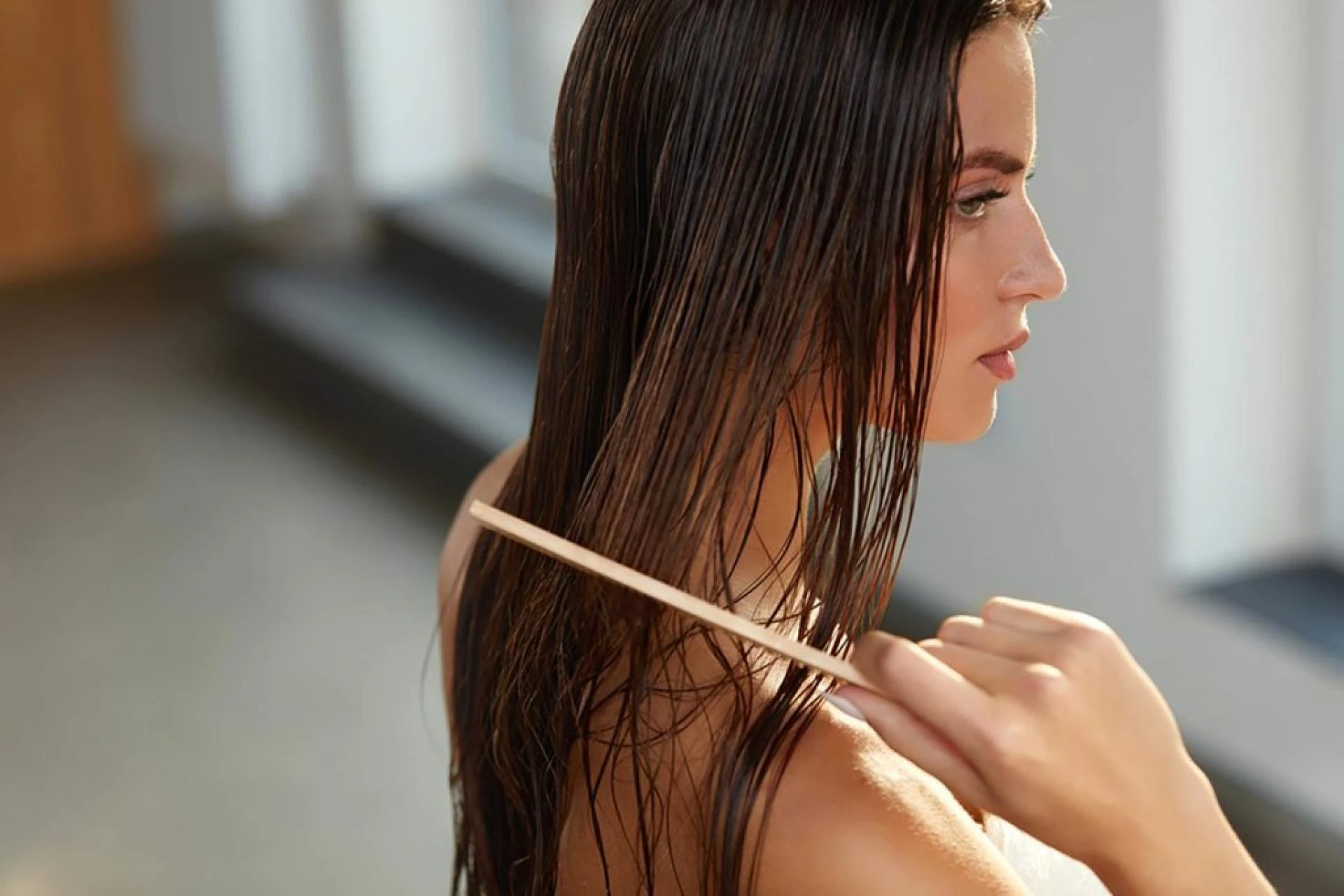

4C hair is absolutely beautiful, but it comes with unique challenges that require specialized care and the right products. If you have 4C hair, you know that finding the best leave-in conditioners for 4C hair can make the difference between hair that thrives and hair that struggles with dryness, breakage, and manageability issues. Understanding your hair's specific needs and choosing products formulated to address them will transform your hair care routine and help you achieve the healthy, moisturized hair you deserve.
Understanding 4C Hair Structure and Needs
4C hair has the tightest curl pattern with a z-shaped structure that makes it more fragile and prone to dryness than other hair types. The numerous bends and curves in each strand create weak points where breakage commonly occurs, while the tight coil pattern makes it difficult for natural oils from your scalp to travel down the hair shaft. This unique structure means 4C hair requires more moisture, gentler handling, and products specifically formulated to penetrate and protect highly textured hair.
The cuticles of 4C hair are often raised, making the hair more porous and susceptible to environmental damage. This porosity can work both ways – while it allows products to penetrate more easily, it also means moisture can escape quickly without proper sealing. Understanding these characteristics helps explain why regular conditioners often aren't enough and why leave-in formulations are essential for maintaining healthy 4C hair.
4C hair also tends to shrink significantly when it dries, which can create tangles and knots that lead to breakage during detangling. The right leave-in conditioner helps maintain moisture, reduce shrinkage, and create slip that makes detangling safer and easier.
Key Ingredients to Look For
When searching for the best leave-in conditioners for 4C hair, focus on ingredients that provide deep hydration, protein balance, and protective benefits. Humectants like glycerin, honey, and hyaluronic acid attract moisture from the environment, but be mindful of climate – in very dry conditions, they might actually draw moisture from your hair instead.
Emollients such as shea butter, coconut oil, jojoba oil, and argan oil smooth the hair cuticle and provide lasting moisture. These ingredients are particularly beneficial for 4C hair because they can penetrate the hair shaft and provide internal hydration rather than just surface coating.
Proteins help strengthen the hair structure, but balance is crucial. Look for hydrolyzed proteins like keratin, silk protein, or wheat protein that are small enough to penetrate the hair shaft. Too much protein can make 4C hair brittle, while too little can leave it weak and prone to breakage.
Ceramides help restore the hair's protective barrier and reduce moisture loss. Panthenol (Pro-Vitamin B5) attracts and retains moisture while adding shine and softness. Aloe vera provides hydration and has anti-inflammatory properties that can soothe sensitive scalps.
Application Techniques for Maximum Effectiveness
The way you apply leave-in conditioner can significantly impact its effectiveness on 4C hair. Always start with freshly washed, damp hair – leave-in conditioners work best when applied to hair that's about 70-80% dry. Section your hair into manageable parts to ensure even distribution and prevent missing areas.
Use the "praying hands" method or gentle raking motions rather than rubbing the product between your palms first. This preserves your curl pattern and prevents frizz. Work from ends to roots, as the ends of your hair are the oldest and most damaged, needing the most moisture and protection.
Don't be afraid to use a generous amount – 4C hair is thirsty and can typically handle more product than other hair types. However, start with less and add more if needed to avoid weighing your hair down. The best leave-in conditioners for 4C hair should absorb well without leaving sticky or greasy residue.
Seasonal Adjustments for Your Leave-In Routine
Your 4C hair's needs change with the seasons, and your leave-in conditioner routine should adapt accordingly. During humid summer months, you might need lighter formulations with ingredients that help control frizz and define curls. Look for leave-ins with anti-humectants like cyclomethicone that create a protective barrier against humidity.
Winter requires richer, more emollient formulations to combat dry air and indoor heating. This is when heavier leave-ins with ingredients like shea butter, coconut oil, and glycerin become particularly beneficial. You might also need to apply leave-in conditioner more frequently during dry seasons.
Spring and fall transitional periods often require flexibility in your routine. Have both lighter and heavier leave-in options available so you can adjust based on daily weather conditions and your hair's immediate needs.
Layering Products for Enhanced Results
4C hair often benefits from product layering, and leave-in conditioner is typically the first layer in this process. After applying your leave-in conditioner, you might follow with a light oil to seal in moisture, then a styling cream or gel for hold and definition.
The key to successful layering is using products with compatible formulations. Water-based leave-ins work well under oils and creams, while oil-based leave-ins might be better used alone or with minimal additional products. Pay attention to how your hair responds to different combinations and adjust accordingly.
Consider the "LCO" or "LOC" method – Liquid (leave-in conditioner), Cream, Oil, or Liquid, Oil, Cream. Experiment to see which order works best for your specific hair needs and desired results.
DIY Leave-In Conditioner Options
Creating your own leave-in conditioner allows you to customize ingredients for your specific 4C hair needs while being budget-conscious. A simple DIY leave-in can be made by diluting your favorite rinse-out conditioner with distilled water (1:3 ratio) and adding a few drops of your preferred oil.
For a more sophisticated blend, combine aloe vera juice, glycerin, your favorite oil, and a small amount of conditioner in a spray bottle. Add a few drops of essential oils for fragrance if desired, but ensure they're safe for regular use and won't cause scalp irritation.
Always use distilled water in DIY formulations to prevent bacterial growth, and make small batches that you'll use within 1-2 weeks. Store homemade leave-ins in the refrigerator to extend their shelf life and add preservatives if you want them to last longer.
Common Mistakes to Avoid
One of the biggest mistakes people make with 4C hair is using too little leave-in conditioner or applying it to hair that's too wet or too dry. Hair should be damp but not dripping when you apply leave-in conditioner for optimal absorption and distribution.
Avoid leave-in conditioners with high alcohol content, sulfates, or drying ingredients that can strip moisture from already thirsty 4C hair. While some alcohols like cetyl alcohol are beneficial, denatured alcohol and isopropyl alcohol can be extremely drying.
Don't expect immediate transformation – finding the best leave-in conditioners for 4C hair often requires trial and adjustment. What works for others might not work for your specific hair, so be patient and willing to experiment with different products and techniques.
Building a Complete 4C Hair Care Routine
Leave-in conditioner is just one component of a comprehensive 4C hair care routine. Start with gentle, sulfate-free shampoos or co-washing, followed by deep conditioning treatments weekly. Use leave-in conditioner as your daily moisture base, then add styling products as needed.
Protective styling, regular trims, and gentle handling are equally important for maintaining healthy 4C hair. Sleep on satin or silk pillowcases, use satin-lined caps or bonnets, and avoid excessive manipulation that can cause breakage.
Regular protein treatments (every 4-6 weeks) can help maintain hair strength, but monitor your hair's response and adjust frequency based on its needs. Balance protein treatments with deep moisturizing treatments to maintain optimal hair health.
Budget-Friendly Options and High-End Choices
Effective leave-in conditioners for 4C hair are available at every price point. Drugstore brands often offer excellent formulations with key ingredients like shea butter, glycerin, and proteins. Focus on ingredient lists rather than price tags when making your selection.
High-end products might offer more sophisticated formulations, elegant textures, or unique ingredient combinations, but expensive doesn't always mean better for your specific hair needs. Many people find their holy grail leave-in conditioner at the drugstore level.
Consider the cost per use rather than just the upfront price. A more expensive product that works better and requires less frequent reapplication might actually be more economical in the long run.
FAQs
Q: How often should I use leave-in conditioner on 4C hair? A: Most 4C hair benefits from daily leave-in conditioner application, especially on the ends. Adjust frequency based on your hair's dryness level and styling routine.
Q: Can I use regular conditioner as a leave-in for 4C hair? A: Regular conditioners are too heavy to leave in and can cause buildup. Diluting with water can work temporarily, but proper leave-in formulations are more effective long-term.
Q: Should leave-in conditioner replace my regular conditioner? A: No, leave-in conditioners complement but don't replace rinse-out conditioners and deep conditioning treatments that 4C hair needs for optimal health.
Q: Why does my 4C hair still feel dry after using leave-in conditioner? A: You might need a richer formulation, better application technique, or to layer with oils or creams. Also check if your hair needs protein or has buildup preventing absorption.
Q: Can I use leave-in conditioner on dirty 4C hair? A: While possible, leave-in conditioners work best on clean hair. Product buildup can prevent proper absorption and effectiveness of your leave-in conditioner.








Sign in to leave a comment.