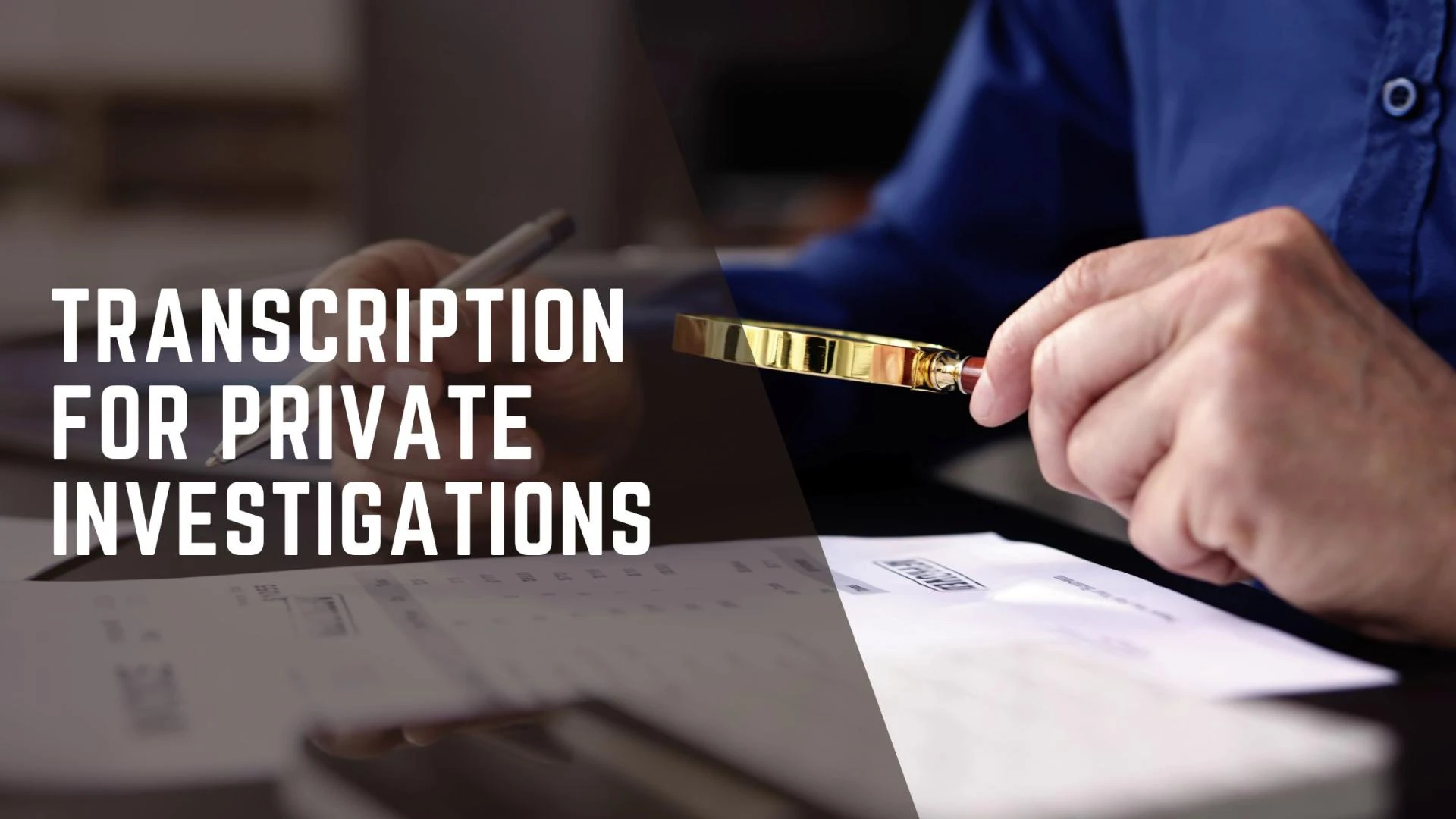

Transcription is crucial in private investigations, helping document evidence, analyze conversations, and maintain records. Given this work's sensitive nature, accuracy and security are essential. This guide covers best practices to ensure reliable and confidential transcription.
The Role of Transcription in Private Investigations
Private investigators rely on transcriptions of interviews, surveillance recordings, and legal proceedings to build cases. A well-transcribed document provides a clear, searchable record that supports analysis and decision-making.
Ensuring Accuracy in Transcription
Achieving accuracy in transcription requires skilled professionals who understand investigative contexts. Automated transcription tools often fail to capture nuances, requiring human oversight. Depending on the investigation, verbatim transcription (including every spoken word) may be necessary, while clean-read transcription (removing filler words) improves readability.
A quality control process enhances accuracy, involving proofreading, timestamps for reference, and speaker identification. Addressing poor audio quality through noise reduction tools or audio enhancement further improves results.
Security and Confidentiality
Since investigative transcriptions contain sensitive information, maintaining security is paramount. This includes:
- Confidentiality agreements (NDAs) for transcriptionists.
- Encrypted storage and file transfers to prevent unauthorized access.
- Compliance with legal regulations like GDPR and CCPA.
- Restricted access to files using role-based permissions.
Using secure file-sharing platforms and implementing automatic deletion policies for outdated records also helps mitigate risks.
Choosing a Reliable Transcription Service
When selecting a transcription provider, prioritize 100% human transcription for accuracy. Ensure the service maintains strict confidentiality measures and delivers transcripts with a balance of speed and precision to meet investigative needs.
Conclusion
Accurate and secure transcription is a vital tool in private investigations. Investigators can ensure reliable documentation while protecting sensitive information by employing skilled professionals, implementing security best practices, and choosing a trusted provider.














Sign in to leave a comment.