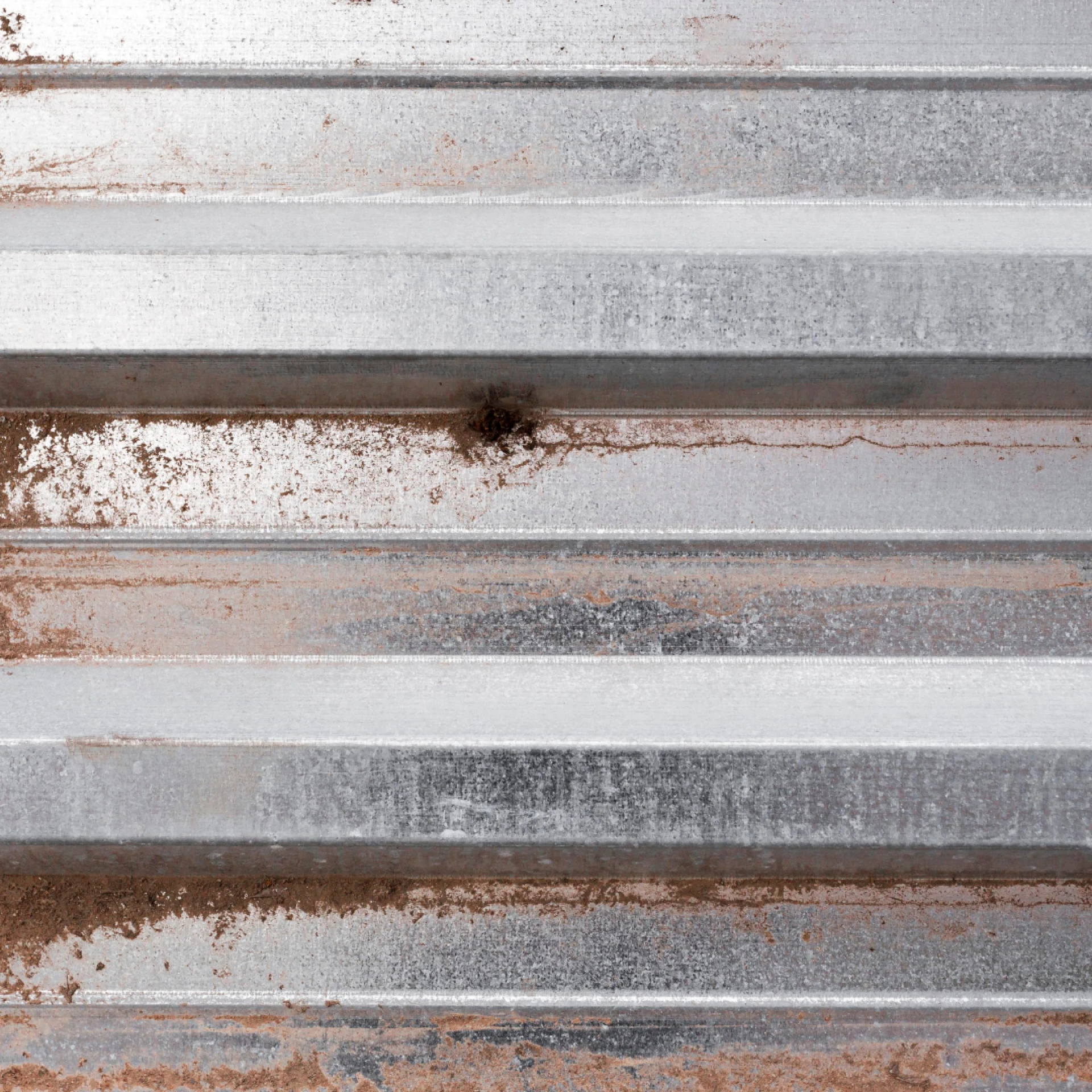
Pairing aluminium with steel in construction is practical but risky. Aluminium offers lightness and corrosion resistance; steel brings strength and durability. Together, they’re common in cladding systems, roofing, framing, and fasteners. The problem is galvanic corrosion. When aluminium and steel share contact in the presence of moisture, aluminium pays the price. It corrodes first, and often silently, until real damage shows.
For builders and owners, aluminium steel galvanic corrosion isn’t just a technical nuisance, it’s a long-term liability. Corrosion Test Solutions has seen enough failures to know that prevention is always cheaper than repair.
Why the Problem Persists?
Galvanic corrosion is electrochemistry in action. Aluminium sits lower on the galvanic scale, so when it’s coupled with steel and an electrolyte, rainwater, condensation, or even construction dust laced with salts, it becomes the sacrificial metal.
A joint that looks fine in year one can be compromised by year five. Rooftop panels, bridge fixtures, window systems: anywhere aluminium and steel meet, the risk is waiting.
1. Choose Materials with Intention
Not all steels are equal partners. Carbon steels and many stainless grades accelerate aluminium loss. Superficially, the cost savings can tempt a project manager, but CT&S regularly advises clients to weigh long-term performance.
Protective-coated steels, or steels paired with isolation barriers, reduce the galvanic mismatch. Sometimes the smarter move is swapping the alloy altogether rather than trusting a “cheap and easy” fix.
2. Keep Metals Apart
Physical separation is underrated. A thin gasket, an insulating washer, or a non-conductive paint layer can stop the electrical connection that drives the reaction. It doesn’t need to be complex, just consistent. A cladding panel secured with coated fasteners or a frame isolated with polymer spacers performs far better over time.
CT&S has tested countless coatings under salt spray and humidity cycles; some hold, some fail. The point is to verify before you commit.
3. Protect Surfaces and Maintain Them
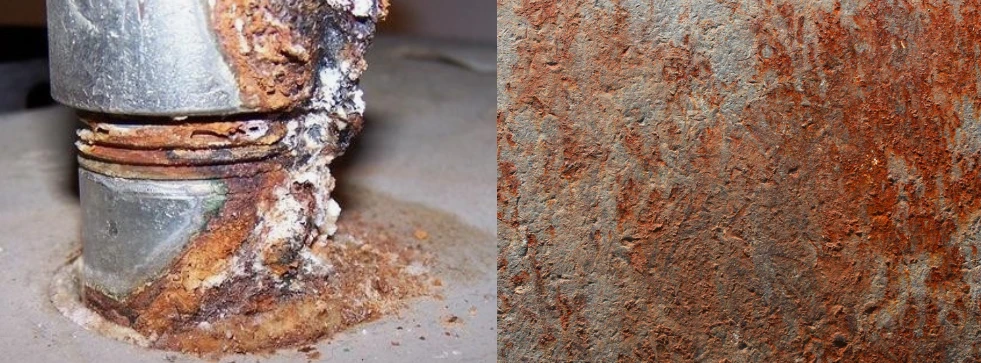
Aluminium relies on its oxide skin, steel on coatings. Scratch them, weld them, or neglect them, and you’ve created a perfect initiation point for corrosion. Once a galvanic attack finds an edge, it rarely stops. Regular inspection and cleaning matter more than most budgets allow for.
CT&S stresses preventive maintenance, washing away chlorides, sealing cut edges, and touching up damaged coatings, because once decay is visible, structural integrity may already be in question.
4. Design with Environment in Mind
Details decide outcomes. Water traps under panels, condensation inside hollow sections, or shaded areas that never dry; these turn a mild galvanic couple into a severe one. Slope surfaces for drainage, ventilate enclosed spaces, and avoid direct dissimilar contact.
CT&S often reviews drawings before a project breaks ground, flagging high-risk spots. A small design change early saves years of headaches later.
5. Inspect, Test, and Verify
Even with the best planning, nothing replaces ongoing verification. Non-destructive testing, eddy current, ultrasonic, and electrochemical probes can catch galvanic activity before it turns destructive. CT&S specializes in reproducing real-world service conditions in the lab.
Their data doesn’t just confirm performance; it helps teams make smarter maintenance schedules instead of waiting for failure to dictate repairs.
Conclusion
Aluminium steel galvanic corrosion doesn’t have to derail a project. The answer isn’t one magic product but a set of deliberate choices, materials selected with care, surfaces protected and maintained, joints designed to avoid water traps, and systems inspected regularly. Cut one corner, and the problem finds you.
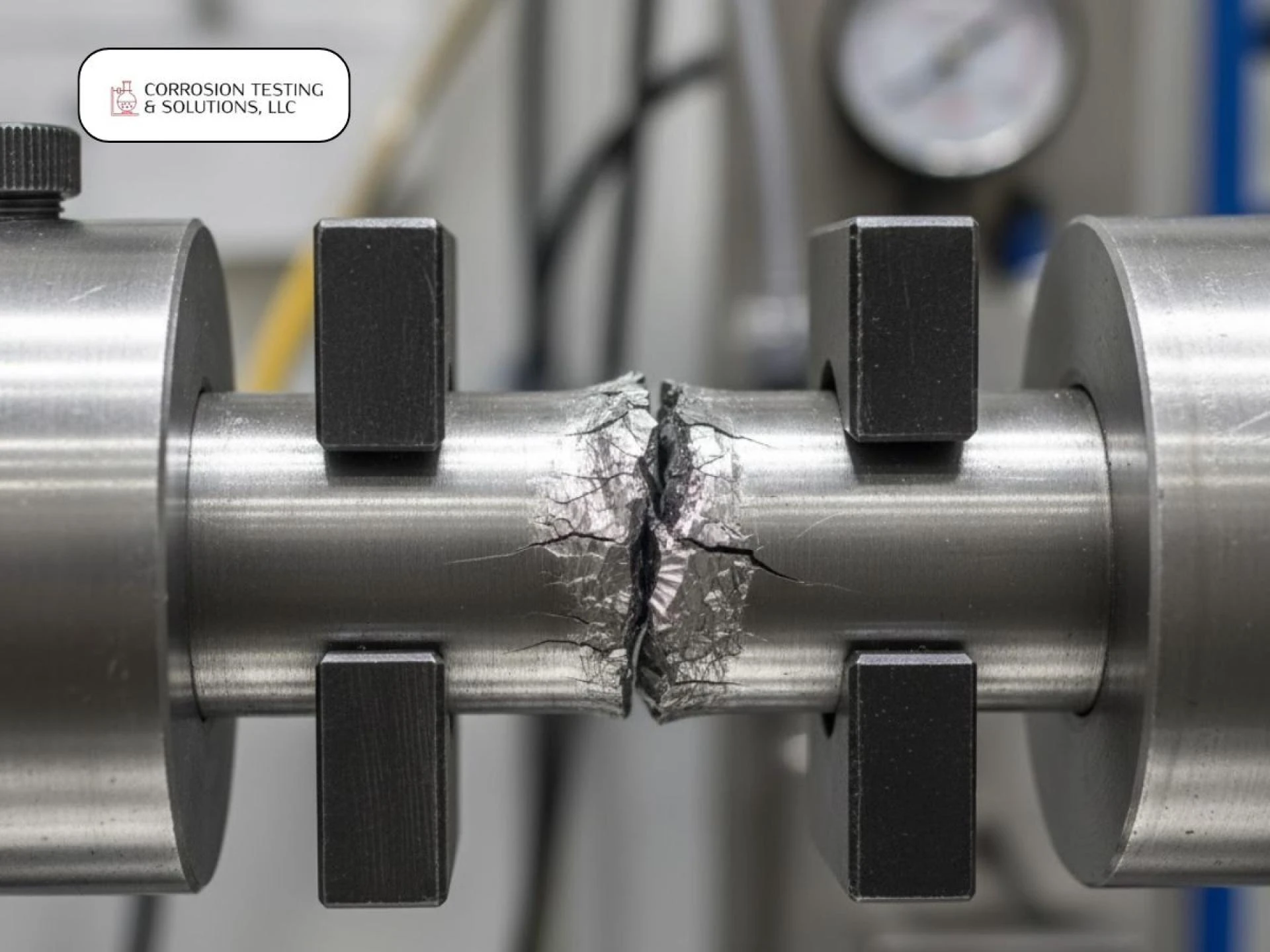
Beyond galvanic issues, construction must also guard against other hidden threats, such as caustic corrosion cracking, which can appear in overlooked niches of design and operation. Connect with the professionals at Corrosion Testing & Solutions, LLC here.










Sign in to leave a comment.