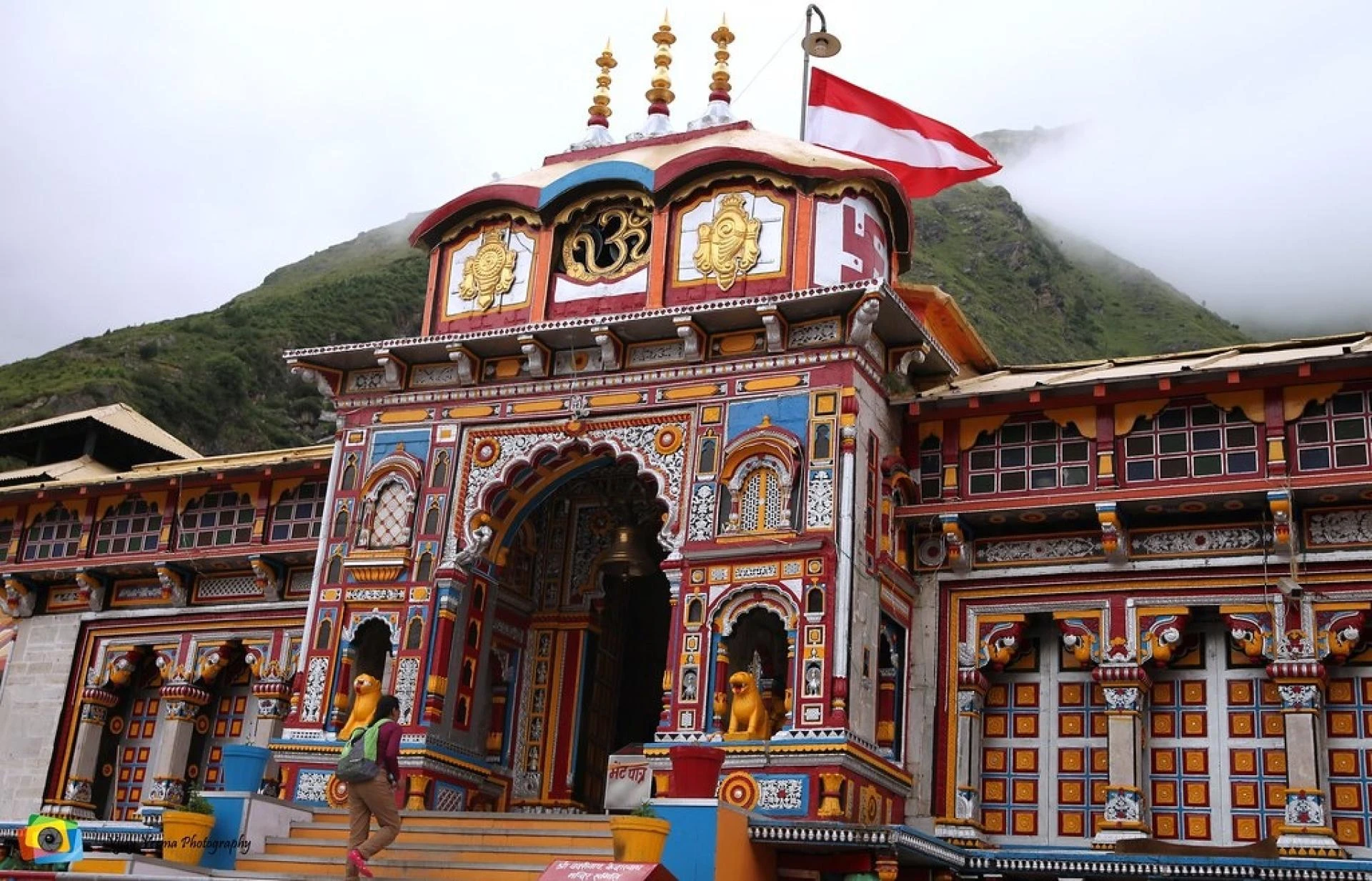

The Badrinath Yatra is one of the most spiritually significant journeys in India, drawing thousands of devotees each year to the sacred shrine of Lord Vishnu nestled in the Himalayas. Located in Uttarakhand at an altitude of 3,300 meters, Badrinath is one of the four Char Dhams and plays a key role in Hindu pilgrimage traditions. However, due to its high-altitude location and extreme weather conditions, timing your visit is crucial. Planning your Badrinath tour during the best season ensures not just a smooth trip but also a spiritually fulfilling experience.
Temple Opening and Closing Dates
Before choosing the best season, it’s important to understand the Badrinath temple's operational period. The temple opens each year in late April or early May and closes around mid-November, depending on the Hindu calendar and weather conditions. During the winter, heavy snowfall makes the area inaccessible, and the idol of Lord Badrinath is shifted to Joshimath, where it is worshipped for six months.
Best Time to Visit: May to June and September to October
The most recommended time for the Badrinath tour is during the summer and post-monsoon months. Here's a breakdown of each season:
1. Summer Season (May to June)
This is the peak season for the Badrinath Yatra. The weather is pleasant, the roads are mostly clear, and all facilities like hotels, guesthouses, and transport services are fully operational.
Temperature: 7°C to 18°C
Why Visit During Summer:
- Ideal for pilgrims of all age groups due to moderate temperatures.
- Perfect weather for darshan and sightseeing.
- All nearby places such as Mana Village, Vasudhara Falls, and Tapt Kund are accessible.
Tip: Since it’s the most popular time for travel, expect larger crowds. Booking early can help reduce the Badrinath trip cost and ensure better accommodation availability.
2. Monsoon Season (July to August)
The monsoon season is not advisable for visiting Badrinath due to frequent landslides, roadblocks, and heavy rainfall. The region becomes highly unpredictable during this period, leading to trip cancellations or delays.
Temperature: 6°C to 15°C
Risks:
- Slippery roads and landslides.
- Disruptions in transportation and accommodation services.
- Higher chances of weather-related health issues.
Badrinath trip cost may be lower during this time due to decreased demand, but safety risks are considerably higher. Only seasoned travelers or locals familiar with the terrain consider traveling in this season.
3. Post-Monsoon/Autumn Season (September to October)
This is arguably the best time to visit Badrinath if you want to avoid the summer rush but still enjoy good weather and safe roads.
Temperature: 5°C to 15°C
Why Visit in Autumn:
- Clear skies and breathtaking views of the snow-covered Himalayan peaks.
- Fewer tourists, allowing for a peaceful darshan experience.
- Lower Badrinath trip cost due to off-peak season pricing.
Tip: Nights can be quite chilly, so warm clothes are essential even if the days are sunny.
4. Winter Season (November to April)
During winter, the Badrinath temple remains closed due to heavy snowfall. The entire region is inaccessible, and even roads leading to the temple are blocked. However, devotees can visit Joshimath, where the idol of Lord Badrinath is placed and worshipped.
Temperature: -5°C to 5°C
Not Recommended For: Pilgrimage purposes, unless you want to see the winter seat of Lord Badrinath in Joshimath.
Badrinath Trip Cost by Season
Here’s a rough estimate of how the Badrinath trip cost varies by season:
- Summer (May-June): ₹10,000 – ₹25,000 depending on package type and accommodation.
- Post-Monsoon (Sept-Oct): ₹8,000 – ₹20,000; cheaper due to lower demand.
- Monsoon (July-Aug): ₹6,000 – ₹15,000; low prices but high risk.
- Winter (Nov-April): Travel to Joshimath only; cost varies accordingly.
Choosing the right time not only ensures comfort but also significantly impacts your Badrinath trip cost, especially if you’re traveling with family or senior citizens.
Conclusion
Timing is everything when it comes to the Badrinath Yatra. For the most comfortable, safe, and spiritually enriching experience, May to June and September to October stand out as the best months for planning your trip. Booking your Badrinath tour well in advance during these windows will help you avoid crowds, secure good accommodations, and keep your overall travel budget under control. Whether you are a first-time pilgrim or a returning devotee, aligning your visit with the best season ensures that your journey to the sacred abode of Lord Vishnu is memorable and blessed.









Sign in to leave a comment.