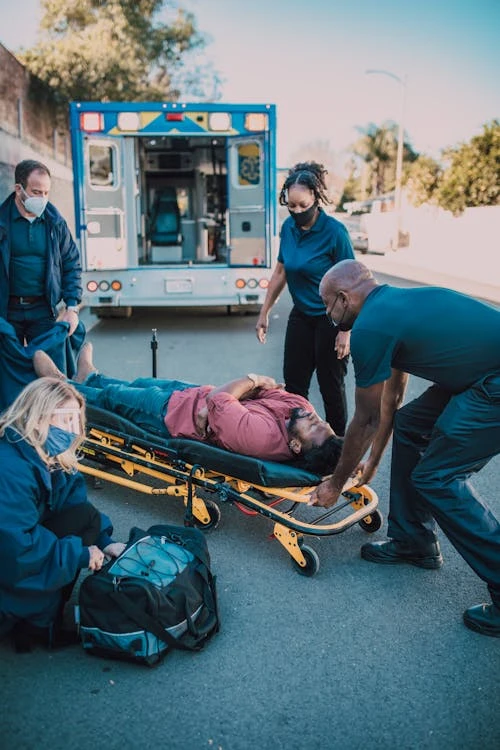

In healthcare, emergencies happen in seconds and demand immediate, decisive action. While basic CPR is a critical skill, advanced situations often require more specialized knowledge. Cardiac arrest, arrhythmias, or sudden respiratory failure are high-stakes events that call for a team of professionals who know exactly what to do.
This is where ACLS certification (Advanced Cardiovascular Life Support) becomes essential. Designed for healthcare providers, the course goes beyond basic life-saving techniques to teach advanced strategies for managing complex emergencies. In this blog, we’ll explore what ACLS training involves, why it’s vital for healthcare teams, and how it builds the confidence and leadership skills needed to save lives.
What Is ACLS Certification?
ACLS certification is an advanced training program developed by the American Heart Association (AHA). It builds on the foundation of CPR and BLS (Basic Life Support), preparing healthcare professionals to respond to severe cardiovascular and respiratory emergencies.
The course covers:
● Recognition and management of cardiac arrest, stroke, and arrhythmias.
● Advanced airway management and ventilation techniques.
● Effective use of medications during resuscitation.
● Team dynamics and leadership in emergency situations.
● Integration of AHA’s latest guidelines and protocols.
By completing the certification, healthcare providers not only expand their technical skills but also gain the ability to lead and coordinate during critical moments.
Why ACLS Is Essential for Healthcare Professionals
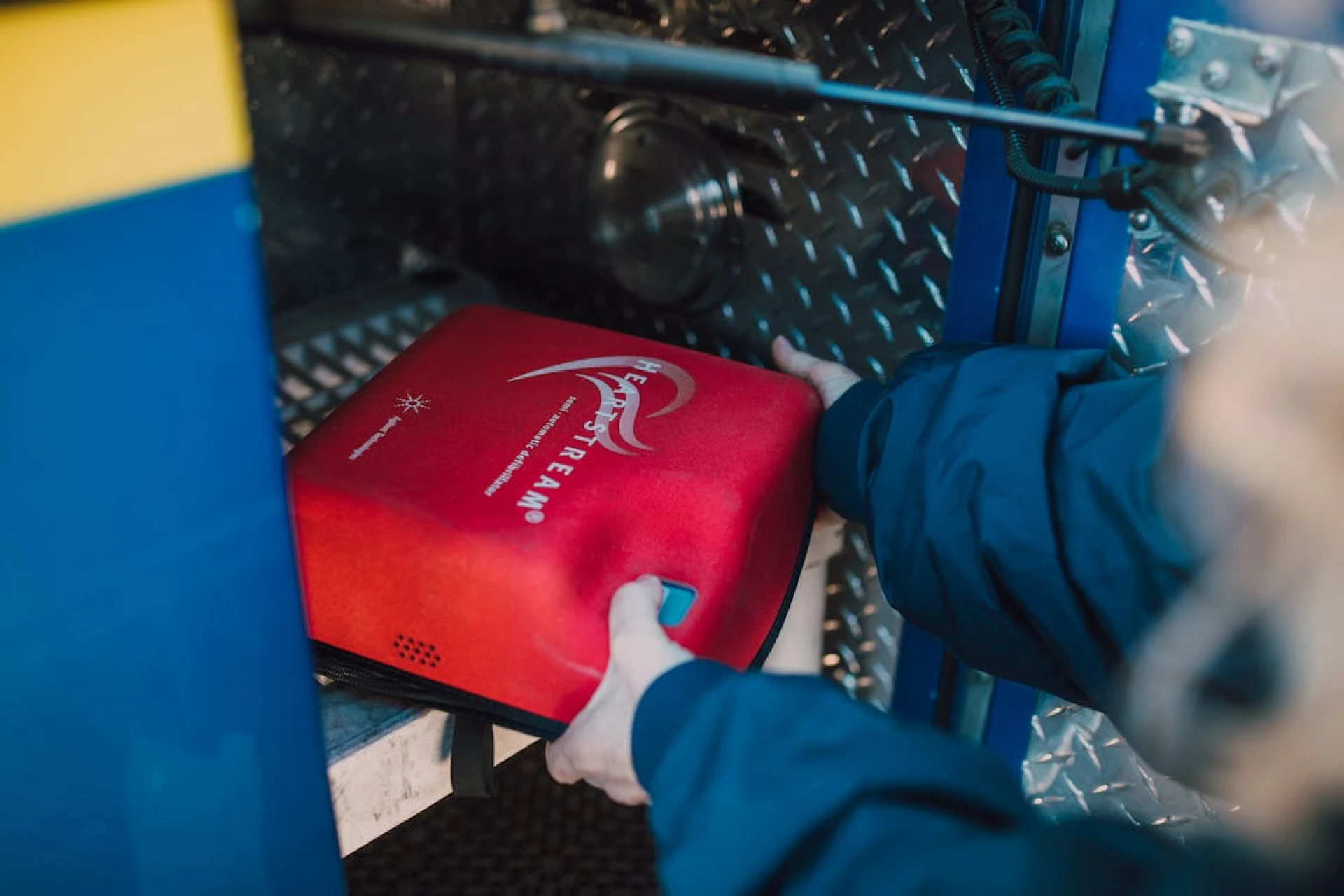
Unlike CPR, which is often performed by laypeople, ACLS is specifically for medical staff who may encounter complex emergencies in hospitals, clinics, or even ambulances. Doctors, nurses, paramedics, and respiratory therapists all benefit from ACLS certification because it enables them to:
● Act quickly when a patient’s condition deteriorates.
● Interpret ECG rhythms to identify life-threatening arrhythmias.
● Administer life-saving drugs with accuracy.
● Coordinate with colleagues to provide seamless care.
These skills are especially important in environments like emergency departments, intensive care units, and surgical recovery areas where seconds truly count.
Team Leadership in Emergencies
A critical part of ACLS training is learning how to function as both a team member and a team leader. In high-pressure scenarios, confusion and hesitation can be just as dangerous as the medical emergency itself.
The course emphasizes clear communication, delegation, and decision-making under stress. For example, one provider may manage the airway while another prepares medications, all under the direction of a leader who ensures every step follows AHA protocols.
This structured teamwork reduces chaos and improves patient outcomes. It also empowers professionals to feel confident stepping into leadership roles when needed.

Staying Current with AHA Protocols
Medical science evolves constantly, and so do emergency care guidelines. The American Heart Association regularly updates its recommendations for CPR, ACLS, and PALS (Pediatric Advanced Life Support) certification.
ACLS certification ensures that healthcare professionals are trained according to the latest evidence-based practices. This not only improves survival rates but also ensures compliance with hospital standards and accreditation requirements.
For busy professionals, online ACLS courses provide a convenient way to stay up to date without sacrificing work schedules. These flexible options allow learners to review materials, practice skills, and complete certification efficiently.
How ACLS Boosts Confidence and Improves Patient Outcomes
Emergencies are unpredictable, but training transforms uncertainty into confidence. Healthcare providers who complete ACLS certification report feeling more prepared to handle:
● Cardiac arrest in adults.
● Complex arrhythmias requiring advanced interventions.
● Patients who need intubation or advanced airway management.
● Critical teamwork under extreme pressure.
This confidence directly translates to patient care. Studies consistently show that ACLS-trained teams are more effective at resuscitation and more likely to achieve positive outcomes.
Why Hospitals and Clinics Should Encourage ACLS Training
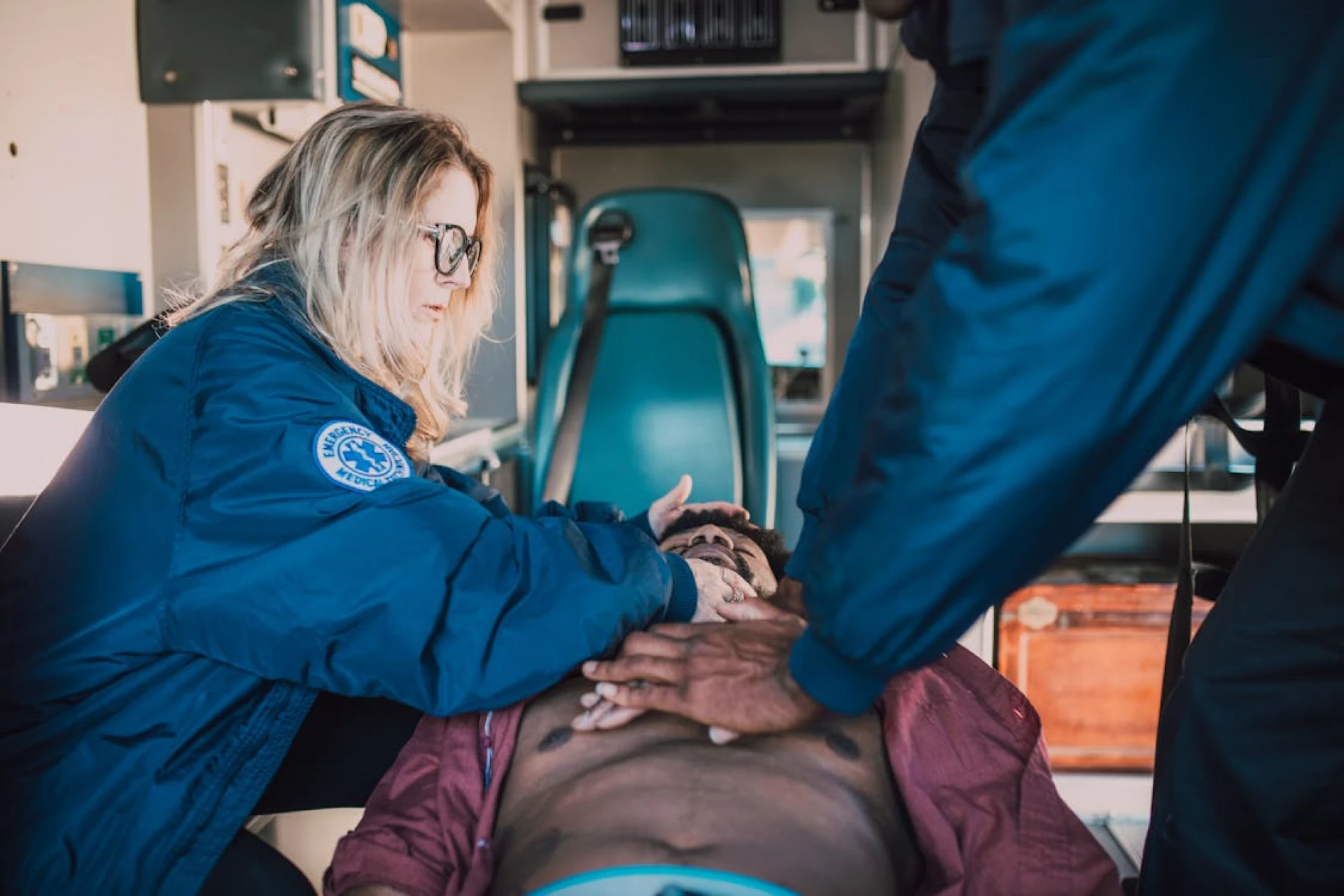
For healthcare organizations, encouraging or even requiring ACLS certification is a powerful step toward patient safety. Teams with advanced training are better equipped to:
● Reduce mortality in cardiac arrest cases.
● Shorten response times in emergencies.
● Comply with accreditation and safety standards.
● Build a culture of preparedness and professionalism.
It’s not just about meeting requirements; it’s about saving lives and ensuring that staff can respond confidently when every moment matters.
Taking the Next Step
In healthcare, there’s no room for hesitation during an emergency. ACLS certification equips professionals with the advanced skills, leadership ability, and up-to-date knowledge they need to manage the most critical moments of patient care.
For those ready to take this step, the CPR and BLS Training Institute provides AHA-approved ACLS courses, available both in-person and online. Their programs are designed to fit busy professional schedules while ensuring the highest standards of training.
Don’t stop at the basics. Advance your skills to lead with confidence. Contact CPR and BLS Training Institute or schedule a training today to be ready to save lives when it matters most.













Sign in to leave a comment.