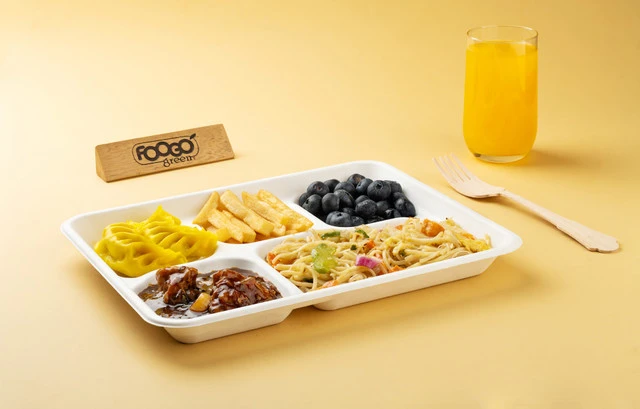

A biodegradable bowl is a disposable container designed to break down naturally without harming the environment. Unlike plastic or Styrofoam, these bowls decompose into organic matter, usually within weeks or a few months, depending on the material and conditions.
Why Biodegradable Bowls Matter
Environmental Impact of Plastic Waste
Ever wonder where your disposable plates go after a picnic? Most end up in landfills or oceans, where they stay for hundreds of years. Plastic pollution clogs waterways, harms wildlife, and contributes to climate change.
Role of Biodegradable Products in Sustainability
Biodegradable bowl offer a greener solution. They're made from renewable resources, decompose quickly, and help reduce our dependency on fossil fuels. Switching to these options is a small but powerful step toward a more sustainable lifestyle.
Materials Used in Biodegradable Bowls
Sugarcane Bagasse
This fibrous waste left after extracting juice from sugarcane is perfect for making sturdy, heat-resistant bowls.
Areca Palm Leaves
Naturally fallen palm leaves are collected, cleaned, and pressed into beautiful bowls—no chemicals, no trees cut.
Cornstarch
Extracted from corn, this starch is used to create PLA (polylactic acid), a compostable alternative to plastic.
Wheat Bran
Yes, wheat byproducts can also be used to mold edible and biodegradable bowls—talk about eco-innovation!
Manufacturing Process
Harvesting Raw Materials
Eco-friendly bowls start with renewable agricultural leftovers—no extra resources needed.
Molding and Shaping
The material is cleaned, ground, and molded into shape using heat and pressure—simple and energy-efficient.
Packaging and Quality Checks
Each bowl is tested for durability and safety before being packed in recyclable packaging.
Key Features of Biodegradable Bowls
Compostability
These bowls break down into natural components, enriching the soil rather than polluting it.
Microwave and Freezer-Safe
Heat up your curry or chill your dessert—these bowls can handle both without warping or leaking.
Chemical-Free and Food-Safe
No nasty toxins or dyes—just pure, plant-based materials safe for you and your food.
Sturdy and Leak-Resistant
Despite being disposable, they hold up well against liquids and heavy portions.
Comparing Biodegradable vs. Traditional Bowls
Cost Analysis
Biodegradable options might cost a few cents more, but they save the planet—a pretty good deal, right?
Durability
Plastic wins on lifespan but loses on eco-friendliness. Biodegradable bowls are durable enough for single use.
Environmental Footprint
From production to disposal, biodegradable bowls leave a much lighter footprint than their plastic cousins.
Benefits of Using Biodegradable Bowls
For Individuals
No guilt when tossing your bowl—your trash turns into compost, not pollution.
For Restaurants and Caterers
It’s a great way to show customers you care about the environment—and it boosts your green brand image.
For the Environment
Less plastic means less pollution, fewer carbon emissions, and a cleaner Earth.
Limitations to Consider
Shelf Life
These bowls aren’t designed to last forever. Keep them dry and use them within their recommended time.
Storage Conditions
Humidity and heat can degrade them prematurely, so store in a cool, dry place.
Misleading Marketing Claims
Look for certifications. Some products labeled “biodegradable” may only degrade in industrial composting units.
Where to Buy Biodegradable Bowls
Online Retailers
Websites like Amazon, Etsy, or eco-stores offer a wide variety in bulk or small packs.
Local Eco-Stores
Support local green businesses and explore in-person options.
Wholesale for Events or Businesses
Many manufacturers offer discounts for bulk orders, ideal for weddings, festivals, or catering services.
How to Dispose of Them Properly
Composting Tips
Toss them into your home compost bin if they’re 100% natural (like palm leaf or bagasse).
Avoiding Contamination with Plastic
Don’t mix them with plastic waste or non-compostable items to avoid contamination during recycling or composting.
Biodegradable Bowls in Daily Life
Home Use
Perfect for parties, picnics, or even lazy weeknights when you don’t want to do dishes.
Events and Picnics
Impress guests and reduce your carbon footprint—all while keeping cleanup simple.
Commercial Food Service
More and more restaurants are switching to compostable serving ware—customers love it!
Legal and Certification Standards
BPI Certification
This ensures the product meets U.S. compostability standards.
EN13432 and ASTM D6400
European and American standards that confirm the product will degrade within a specific time under composting conditions.
Consumer Awareness and Demand Trends
Global Shift Towards Eco-Products
As climate concerns grow, more people are ditching plastic for sustainable alternatives.
Awareness Campaigns and Green Labeling
Governments and NGOs promote greener choices through education and labeling schemes.
Future of Biodegradable Tableware
Innovation in Materials
Expect to see bowls made from algae, mushroom mycelium, or even seaweed soon!
Policy Support for Eco-Friendly Packaging
Governments are starting to ban single-use plastics and offer incentives for sustainable alternatives.
Conclusion
Biodegradable bowls are more than just a trend—they’re a necessity in a world drowning in plastic. Whether you’re hosting a backyard BBQ or running a food truck, choosing compostable bowls shows you care about the future. They're safe, stylish, and sustainable—what more could you ask for?







Sign in to leave a comment.