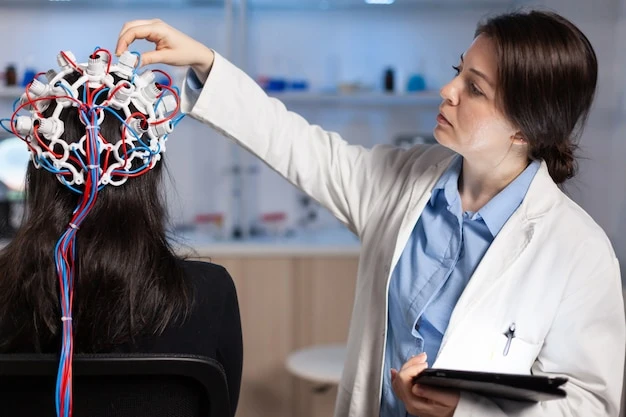

In a world that never slows down, more people are taking their wellness into their own hands. Enter biohacking—a personalized approach to improving health, performance, and well-being using science, technology, and sometimes just a few simple lifestyle tweaks.
You don’t need to be a Silicon Valley entrepreneur injecting stem cells or tracking every molecule in your body to get started. In fact, the basics of biohacking are surprisingly simple and accessible. It’s all about listening to your body, experimenting responsibly, and making small, informed changes that yield big benefits.
Let’s break it down.
Understanding What Biohacking Really Means
At its core, biohacking is about optimizing your body and mind. That might sound like a big goal, but think of it this way: when you change how you sleep, eat, move, or think—even in small ways—you’re essentially hacking your biology to work better for you.
For some, that means tracking their sleep patterns with wearable tech. For others, it’s finding the right kind of nutrition, adding in focused meditation, or taking cold showers. There’s no one-size-fits-all formula. The beauty of biohacking lies in personalization and experimentation.
Start With the Foundation: Sleep
You’ve heard it a million times—but good sleep is non-negotiable. And in the biohacking world, it’s the first area most people tackle. Consistent, high-quality sleep fuels brain function, boosts immunity, balances hormones, and even supports weight management.
Many beginners start by tracking their sleep with a smartwatch or app. You might discover you’re not getting as much deep sleep as you think. From there, simple changes like reducing screen time before bed, using blackout curtains, or sticking to a consistent sleep schedule can drastically improve how you feel.
Fueling Your Body Smarter
The food you eat is more than just calories—it's information for your body. Biohackers often turn to whole, nutrient-dense foods and avoid processed options. But the real trick is finding what works for you.
Some experiment with intermittent fasting, others with ketogenic or plant-based diets. Tools like continuous glucose monitors or elimination diets can provide insights into how different foods affect your energy levels and focus.
And yes, hydration counts. Even mild dehydration can lead to fatigue, brain fog, and poor digestion. So don’t underestimate the power of clean water and mineral balance.
Movement as Medicine
You don’t have to train like an athlete to biohack your body. In fact, short, intentional bursts of exercise—known as high-intensity interval training (HIIT)—are popular among biohackers because they’re time-efficient and highly effective.
Pair that with mobility work, strength training, or simply more walking throughout the day, and you’ll notice not just physical benefits, but improved mood, better sleep, and more focus.
Bonus tip? Get your body moving outdoors when possible. Natural light and fresh air do wonders for the circadian rhythm and mental clarity.
Managing Your Mind
Biohacking isn’t just about the body—it’s also about the brain. Stress is a silent energy killer, so learning how to manage it is key. Meditation, breathwork, and even journaling are powerful tools that help you stay grounded in a fast-moving world.
Some biohackers turn to nootropics—supplements that support cognitive function—but you don’t need pills to get sharper. Deep focus sessions using the Pomodoro technique, digital detoxes, and mindful breaks during the day can enhance productivity naturally.
Explore the Power of Cold and Heat
While it may sound intense, temperature-based biohacks are growing in popularity. Ice baths, cold showers, and cryotherapy can reduce inflammation, improve recovery, and even boost mood through dopamine release.
On the flip side, infrared saunas and heat therapy help with detoxification and stress relief. You don’t need high-end equipment to experiment—just a cold shower and a hot bath can start shifting how your body responds.
Track, Test, and Adjust
The most important biohacking habit? Self-awareness. Whether you use a wearable device, a journal, or simple observations, tracking how your body reacts to changes helps you adjust intelligently.
Maybe your productivity skyrockets when you shift your workout to mornings. Maybe skipping caffeine after 2 PM helps you sleep deeper. These small data points build the blueprint for your unique performance code.
Start Small, Stay Curious
You don’t need a lab coat or a shelf full of gadgets to start biohacking. Begin with one area—like sleep or diet—and stay curious. The goal isn’t perfection; it’s progress.
The real magic happens when you notice that you’re thinking clearer, moving easier, and waking up excited for the day ahead. That’s when you know the hacks are working—and they’re coming from a place of awareness and intention, not pressure or obsession.
Final Thoughts
Biohacking doesn’t have to be overwhelming or extreme. It’s not reserved for tech gurus or health fanatics—it’s for anyone who wants to live with more energy, clarity, and balance. By making a few thoughtful changes and tuning in to how your body responds, you can start creating your own roadmap to better health.
If you're ready to explore more ideas on optimizing lifestyle, health, and energy in modern, relatable ways, check Kahan website for thoughtfully curated content and practical insights that help you live smarter—without the burnout.













Sign in to leave a comment.