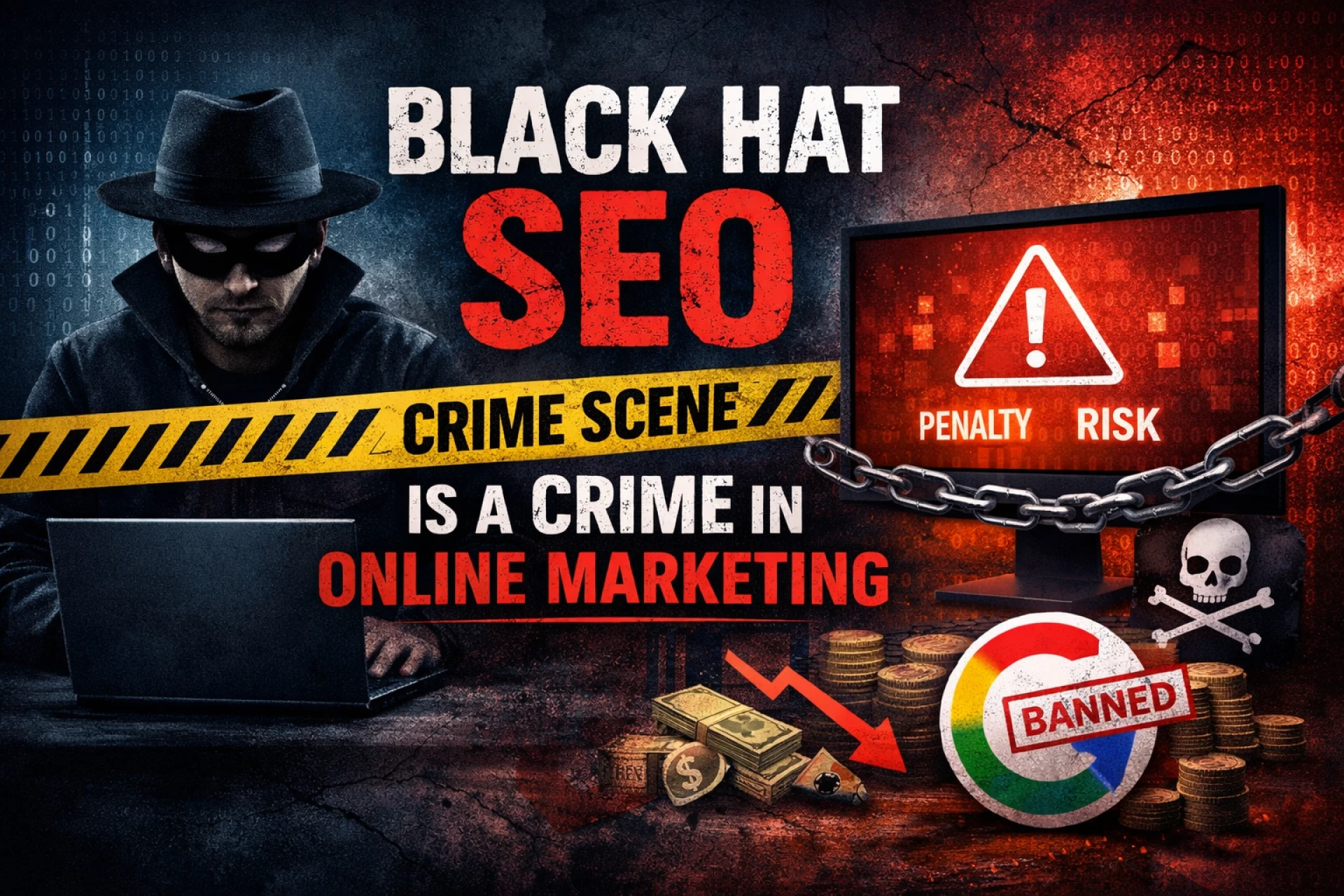

In today’s digital landscape, businesses rely heavily on search engine rankings to attract traffic, generate leads, and grow their online presence. However, not all SEO practices are created equal. The statement black hat SEO is a crime in online marketing isn’t just a catchy phrase it reflects the risks and consequences of using unethical tactics to manipulate search engines. While black hat strategies may promise quick results, the reality is that they are deceptive, risky, and can lead to serious penalties.
Understanding Black Hat SEO
Black hat SEO refers to a set of techniques that aim to exploit search engine algorithms rather than provide value to users. Examples include keyword stuffing, cloaking, hidden links, duplicate content, and automated content generation. Unlike ethical SEO, these tactics are designed to trick search engines into ranking a website higher without improving the user experience.
Despite appearing effective in the short term, black hat SEO is a violation of search engine guidelines. Google, Bing, and other search engines actively detect manipulative behavior, penalizing or de-indexing sites that engage in these practices. This is why experts often say that black hat SEO is a crime in online marketing not legally in a court of law, but morally and strategically, it undermines the integrity of digital marketing.
Common Black Hat SEO Techniques
Understanding common black hat tactics highlights why they are dangerous:
- Keyword Stuffing: Overloading content with keywords to artificially boost rankings, which reduces readability and user trust.
- Cloaking: Presenting different content to search engines than to users to mislead rankings.
- Hidden Text and Links: Using invisible content or links that are only visible to search engines.
- Spammy Backlinks: Acquiring links from irrelevant or low-quality websites to manipulate authority.
- Duplicate or Auto-Generated Content: Producing low-quality or copied content that doesn’t add value to users.
Each of these methods prioritizes algorithms over people. The short-term gains they offer are tempting, but the long-term consequences are severe, which reinforces the idea that black hat SEO is a crime in online marketing.
Risks and Consequences
The dangers of using black hat SEO are significant:
- Search Engine Penalties: Google may penalize websites using manipulative tactics by dropping their rankings or removing them from search results entirely.
- Loss of Trust: Users who encounter spammy or irrelevant content lose trust in the brand, which can harm reputation and conversions.
- Financial Loss: Recovery from penalties can be costly and time-consuming, often requiring a complete overhaul of the website and content strategy.
- Legal and Ethical Issues: While not always illegal, some black hat tactics, such as scraping copyrighted content or manipulating reviews, can have legal ramifications.
These risks show why it is essential to avoid black hat tactics and focus on long-term, sustainable SEO strategies.
White Hat SEO: The Ethical Alternative
Unlike black hat techniques, white hat SEO emphasizes ethical optimization. It aligns with search engine guidelines and prioritizes value for users. Key white hat practices include:
- High-Quality Content Creation: Writing informative and engaging content that answers user queries.
- Natural Link Building: Earning links from reputable websites that genuinely value your content.
- Technical SEO: Optimizing website speed, mobile usability, and structured data for better search performance.
- User Experience (UX): Ensuring intuitive navigation, clear CTAs, and a responsive design that enhances engagement.
By following these ethical practices, businesses build credibility, attract genuine traffic, and avoid the pitfalls associated with black hat SEO.
Why Black Hat SEO Is Still Tempting
Many businesses are tempted by black hat SEO because it appears faster and cheaper than white hat methods. The promise of instant traffic, quick rankings, and competitive advantage can lure companies into shortcuts. However, experts emphasize that short-term success is never worth the long-term damage. Search engines constantly update their algorithms, and sites that rely on manipulative tactics are almost always caught eventually.
Real-World Implications
Companies that engage in black hat SEO risk losing their online visibility overnight. For example, a site using spammy backlinks or cloaking might see an initial spike in traffic, but Google’s algorithm updates can result in severe ranking drops. Once penalized, it can take months to recover, and the brand may lose valuable leads during this period.
This is why digital marketing agencies, such as Alev Digital, emphasize ethical SEO strategies. By implementing proven white hat techniques, businesses can achieve steady growth without risking penalties or reputation damage. Ethical practices also ensure that marketing efforts deliver measurable ROI over time.
The Takeaway
The core lesson for marketers is clear: black hat SEO is a crime in online marketing, and businesses should avoid it at all costs. While shortcuts may seem attractive, they jeopardize credibility, user trust, and long-term performance. Instead, investing in ethical SEO practices high-quality content, technical optimization, natural backlinks, and excellent user experience ensures sustainable growth and a resilient online presence.
If your business is considering SEO strategies, partnering with experts who understand ethical optimization is crucial. Agencies like Alev Digital help companies develop white hat SEO strategies tailored to their industry and audience, ensuring long-term visibility and measurable results.
For businesses ready to take the right path, it’s time to Book a Consultation with a trusted SEO agency and focus on strategies that build trust, authority, and sustainable traffic. Avoid shortcuts, prioritize ethics, and make SEO a tool for genuine business growth.















Sign in to leave a comment.