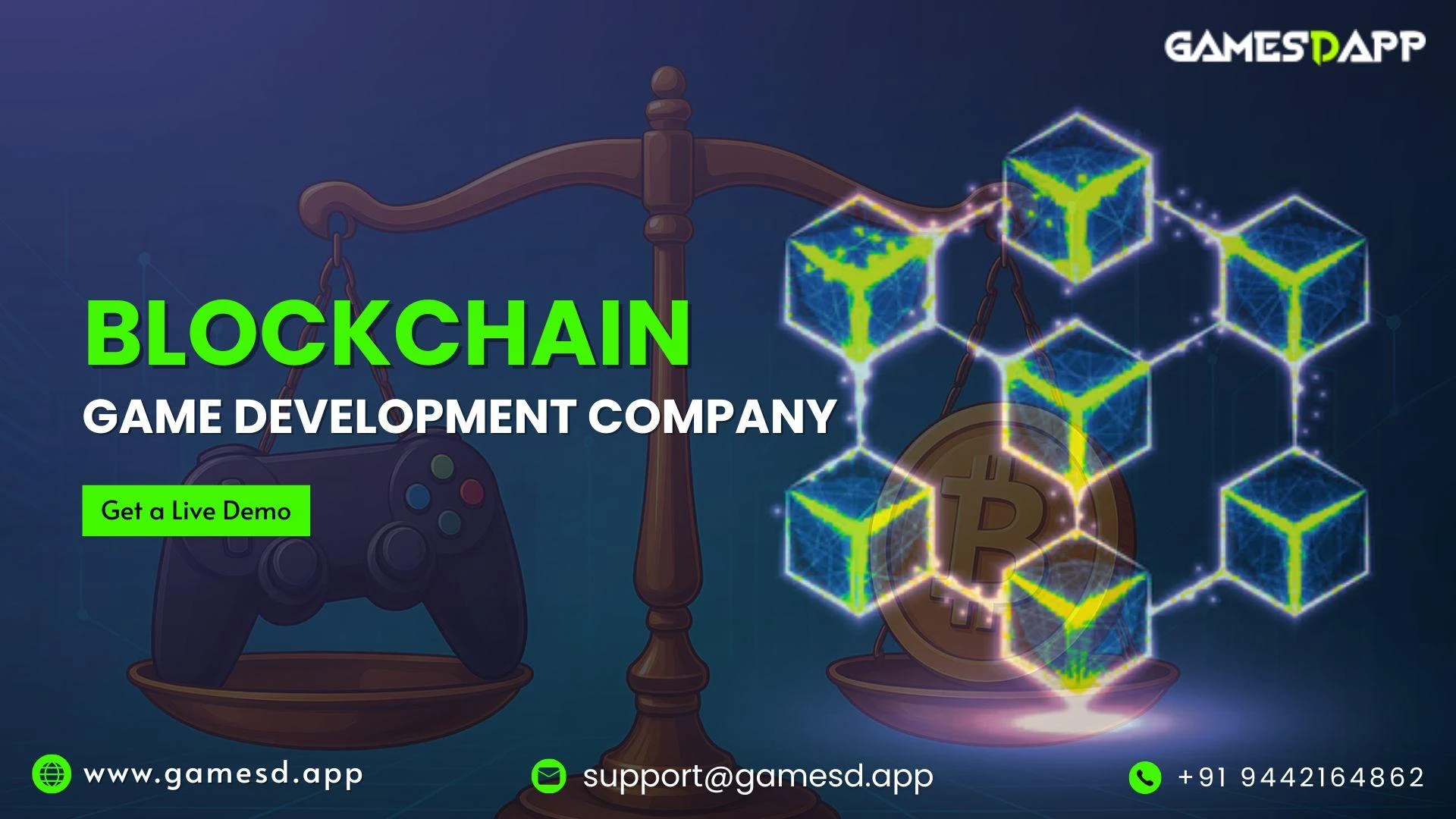

Blockchain is transforming the way games are built, played, and monetized. No longer are players just participants; they’re investors, creators, and stakeholders in digital ecosystems. But with this evolution comes a new challenge: how do developers balance fun and financialization? Too much focus on rewards can drain the joy of play; too little, and you lose the core appeal of blockchain’s value-driven model.
What Financialization Means in the Gaming World
Financialization in gaming refers to the integration of real-world economic value into digital experiences. Through tokens, NFTs, and Play-to-Earn (P2E) models, games now allow players to earn, trade, and own assets that hold tangible worth. While this creates exciting opportunities for player empowerment, it also risks shifting focus from creative gameplay to pure profit-seeking—turning games into “investment platforms” instead of entertainment experiences.
Why Blockchain Matters for Modern Game Developers
For developers, blockchain provides transparency, security, and player ownership like never before. Smart contracts ensure fairness, and NFTs allow true digital ownership of items, skins, and assets. These systems reduce fraud and increase engagement, but developers must carefully design how financial mechanics interact with gameplay to maintain balance and authenticity.
The Fun Factor: Keeping Players Engaged Beyond Rewards
At its core, every great game thrives on enjoyment, challenge, and community. Players come for rewards but stay for fun. In Blockchain Game Development, creating engagement that extends beyond token earnings is essential. Games that prioritize earning over experience often struggle with player retention. A successful blockchain game should deliver emotional satisfaction through storylines, creativity, and player choice, not just token payouts. The key lies in designing gameplay loops that feel naturally rewarding, where the fun drives the experience and the financial elements simply enhance it.
Balancing Play and Profit in Blockchain Games
The intersection of play and profit is both a blessing and a curse. Developers must avoid making gameplay feel like “work.” Overemphasizing earning potential can create short-term hype but lead to long-term burnout. The goal should be Play-and-Earn, not Work-to-Earn. Sustainable blockchain game development focuses on fun-first principles, and financial rewards become an added benefit, not the main motivation.
Building Sustainable Game Economies
A strong in-game economy is the foundation of any blockchain-based title. Developers must design tokenomics that prevent inflation, maintain scarcity, and encourage healthy player-driven markets. Utility tokens, staking models, and DAO governance can help stabilize value while promoting community involvement. The best blockchain games create self-regulating ecosystems, where the economy supports the experience, rather than dominating it.
Case Studies: Games That Mastered and Missed the Balance
Successful titles like Axie Infinity initially thrived by combining P2E incentives with engaging gameplay, but later struggled with economic sustainability. In contrast, emerging projects now focus on hybrid models—prioritizing user experience before token launches. Games like Illuvium and Big Time are learning from early mistakes, embedding stronger design principles and value-driven economies that support long-term fun.
The Role of AI in Creating Smarter Game Economies
Artificial Intelligence (AI) is becoming an essential ally in blockchain game development. AI can analyze player behavior, predict market trends, and dynamically adjust rewards to prevent economic imbalance. Developers are leveraging AI-driven insights to fine-tune difficulty, detect exploitative behavior, and personalize experiences. When combined with blockchain transparency, AI creates smarter, adaptive game worlds that feel alive and fair.
Player Psychology and Retention in Financialized Games
Understanding player psychology is crucial in financialized environments. When money is involved, motivation shifts, players may lose intrinsic enjoyment. The most successful blockchain games use behavioral design, blending dopamine-driven progression systems with balanced economic rewards. Developers who master this balance keep players motivated by enjoyment first and profit second, leading to higher engagement and organic community growth.
The Future of Blockchain Game Development
The future of blockchain gaming lies in convergence, where AI, NFTs, and metaverse technologies merge to create living, player-owned worlds. As cross-chain platforms mature, interoperability will become the norm, allowing players to use assets across multiple ecosystems. The next generation of blockchain games will focus on “ownership as identity”—empowering users to build, trade, and play in open, decentralized universes that reward creativity as much as competition.
Why Choose GamesDapp for Blockchain Game Development
As a leading Blockchain Game Development Company, GamesDapp delivers next-gen solutions that balance fun, technology, and financial innovation. We specialize in NFT games, Play-to-Earn ecosystems, and AI-powered game logic, using advanced engines like Unity and Unreal, integrated with Web3 smart contracts. Our approach focuses on fun-first design and sustainable tokenomics, ensuring every game we build is engaging, secure, and scalable.










Sign in to leave a comment.