Starting and running a compliant trucking business in the United States requires navigating several federal and state regulations. One of the most essential compliance steps for interstate carriers is completing the BOC-3 Filing Service. This filing authorizes a process agent in every state where you operate and ensures the Federal Motor Carrier Safety Administration (FMCSA) can contact you regarding legal matters. For many new trucking entrepreneurs, the regulatory terms feel overwhelming – from FMCSA requirements and USDOT registration to securing the right Truck Permits and ensuring proper Tag And Title compliance. That is exactly why expert guidance becomes crucial right from the start.
In this detailed guide, we will break down how BOC-3 filing works, why it is important, and the role it plays in your overall compliance journey as a trucking business. Whether you are an independent owner-operator or managing a fleet, taking the right steps early will help you avoid fines, delays, and business interruptions.
What is the BOC-3 Filing Service and Why Do You Need It?
The BOC-3, short for Blanket of Coverage, is a mandatory FMCSA filing for interstate motor carriers, brokers, and freight forwarders. It designates a process agent in each state where your business may receive legal documents such as court notices or subpoenas. Without this filing, your USDOT and MC authority cannot be activated, meaning you cannot legally transport goods across states.
The BOC-3 filing is one of the first steps in gaining full operating authority and ensures the government always has a direct channel to reach your business in the event of legal proceedings. Working with a qualified and FMCSA-authorized service provider protects you from incorrect paperwork, rejected applications, or delays that could keep your trucks off the road.
How BOC-3 Filing Works
To complete the BOC-3 filing, an authorized process agent service must submit the form electronically to the FMCSA. The trucking company cannot file the form on its own. Once approved, the active status becomes visible in your FMCSA profile and your MC authority can move toward being fully granted.
Here’s the simple three-step process:
- Start MC number application or compliance setup.
- Choose a qualified process agent service for BOC-3 filing.
- Monitor FMCSA approval and authority activation.
Once completed, this filing typically remains active unless your business changes its legal structure, address, or authority status.
The Role of USDOT And MC Number Setup in Compliance
A successful trucking business begins with the right registrations. The USDOT And MC Number Setup process is closely tied to BOC-3 filing. The USDOT number identifies your business for safety and compliance tracking, while the MC number grants interstate operating authority. After your MC number is assigned, BOC-3 filing becomes essential to complete the authorization.
Failing to complete any of these steps correctly can lead to costly setbacks. Even a small mistake may require weeks of correction and resubmission, delaying your ability to operate and generate revenue. That is why guidance from experienced compliance specialists can be a major advantage.
Key Benefits of Completing Your BOC-3 Filing Quickly
• Faster activation of your MC authority
• Legal coverage in all states of operation
• Protection against compliance violations
• Ability to expand routes across state borders
• Assurance that legal notices are professionally handled
Every trucking company must have this filing in place before moving freight interstate. The peace of mind it brings is invaluable, especially in the early stages of business development.
Truck Permits: Another Critical Compliance Requirement
Once your authority is approved, the next step is ensuring that your vehicles have the proper Truck Permits depending on the type of load, weight, and jurisdictions you operate in. Different states have unique rules, and failing to secure appropriate permits could result in hefty fines or route restrictions. When you bundle permit support with BOC-3 filing and authority setup, the process becomes much more efficient and streamlined.
Ensuring Proper Tag and Title for Your Fleet
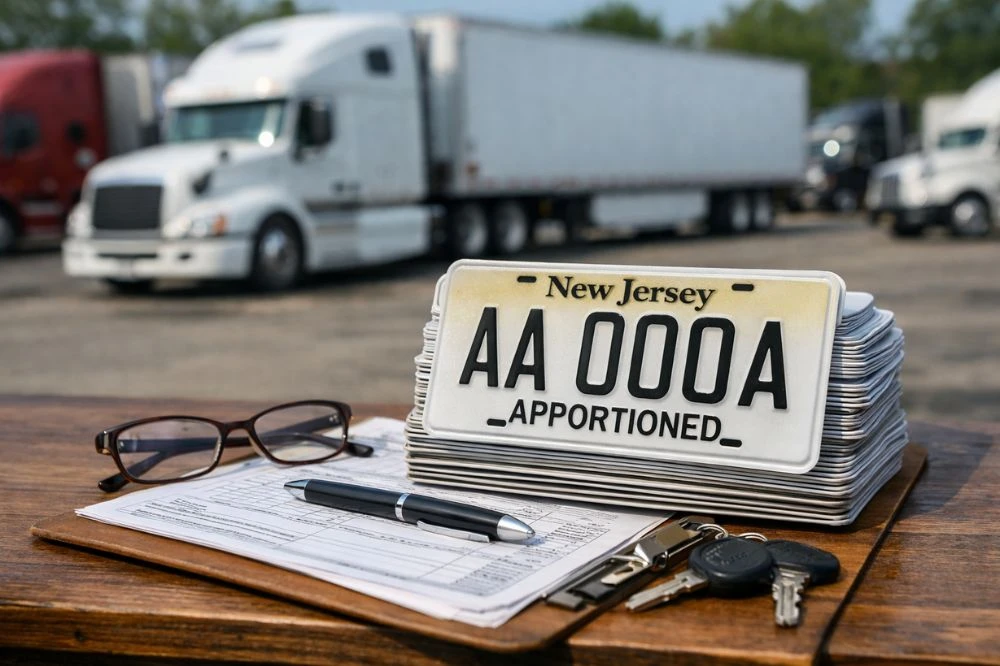
Vehicle documentation plays a major role in fleet compliance. With professional support for Tag And Title services, trucking companies can register vehicles correctly, avoid delays at the DMV, and maintain accurate ownership records. Since trucking operations often include multiple states and vehicles, this task becomes time-consuming without expert assistance.
Pairing tag and title services with federal filings ensures your business stays compliant from day one and minimizes downtime. Keeping your documentation fully updated is one of the easiest ways to avoid penalties during roadside inspections or audits.
Why Partner with Professionals for BOC-3 Filing Service
Truckers face many operational challenges daily – route planning, safety requirements, financial management, and customer schedules. Compliance paperwork should not become another burden. Working with a trusted service provider ensures:
• Accurate filing and timely approval
• Compliance guidance tailored to your business
• Reduced risk of legal or regulatory issues
• Support with additional filings and updates
When you choose a reliable compliance partner, you gain confidence in your regulatory standing and can focus on running your trucking business efficiently.
The Role of KN MULTISERVICES in Trucking Compliance
If you are planning to launch a trucking company or need help maintaining compliance, KN MULTISERVICES provides a complete support system tailored to U.S. trucking regulations. From authority setup and BOC-3 filing to ongoing permits and vehicle registration, their team simplifies every step of the process. New and growing carriers can avoid errors that lead to delayed operations or costly fines.












Sign in to leave a comment.