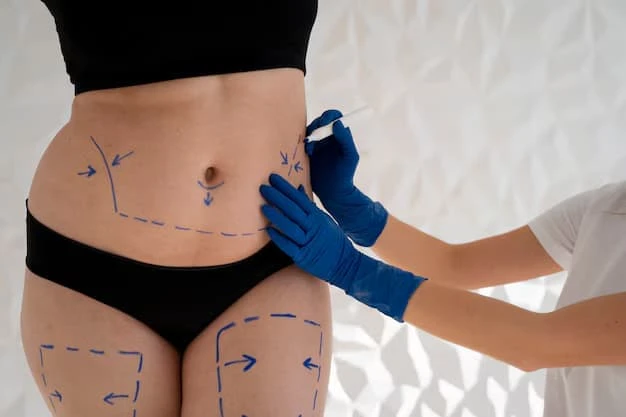

Losing a significant amount of weight is a major achievement and a transformative journey for both the body and mind. However, after reaching weight loss goals, many individuals face the challenge of excess skin and uneven body contours. Body contouring in Manchester has emerged as a popular solution for those seeking to refine their shape, restore confidence, and achieve a smoother, more proportionate appearance.
Understanding Body Contouring
Body contouring is a collection of cosmetic procedures designed to remove excess skin and fat, tighten muscles, and enhance the natural shape of the body. Unlike weight loss, which focuses on reducing fat stores, body contouring targets the loose skin and stubborn fat deposits that often remain after significant weight reduction. These procedures can improve both the aesthetic appearance and functional comfort, helping individuals feel more confident in their bodies.
How Body Contouring Works
Body contouring involves a combination of surgical and non-surgical techniques, depending on the needs of the patient. Common surgical options include tummy tucks, arm lifts, thigh lifts, and lower body lifts. Non-surgical procedures, such as laser therapy or radiofrequency treatments, can help tighten skin and stimulate collagen production without invasive surgery.
The process typically begins with a consultation to assess the patient’s body composition, skin elasticity, and overall health. From there, a personalized treatment plan is developed to address specific areas of concern. The goal is not only to remove excess skin but also to enhance the body’s natural contours, creating a smoother, firmer appearance.
Ideal Candidates for Body Contouring
The ideal candidate for body contouring is an individual who has achieved a stable weight, usually through diet, exercise, or bariatric surgery, and has excess skin that does not respond to traditional weight loss methods. Candidates should also be in good general health and free from conditions that could interfere with healing, such as uncontrolled diabetes or cardiovascular issues.
It is important to have realistic expectations. Body contouring can significantly improve appearance and comfort, but it is not a substitute for ongoing weight management or a lifestyle that includes healthy eating and regular exercise.
Benefits of Body Contouring After Weight Loss
Undergoing body contouring after significant weight loss can provide a range of physical, psychological, and functional benefits.
Improved Physical Appearance
Excess skin and uneven contours can be discouraging for those who have worked hard to lose weight. Body contouring helps eliminate these areas, resulting in a more toned and balanced appearance. Procedures like tummy tucks or arm lifts can dramatically enhance the silhouette, creating a more aesthetically pleasing shape.
Increased Comfort and Mobility
Excess skin can cause discomfort, chafing, or irritation, particularly in areas such as the thighs, underarms, and abdomen. Removing this skin can improve physical comfort and allow for greater freedom of movement. Individuals may find it easier to exercise, participate in activities, and wear clothing that they previously avoided.
Enhanced Confidence and Self-Esteem
The psychological benefits of body contouring are often profound. After achieving weight loss goals, many individuals still struggle with body image issues due to loose skin or uneven contours. Body contouring can restore confidence, improve self-esteem, and help individuals feel proud of their accomplishments.
Long-Term Health Benefits
While body contouring is primarily an aesthetic procedure, it can also have health advantages. Removing excess skin reduces the risk of skin infections, rashes, and other dermatological issues. In some cases, tightening the abdominal muscles can improve posture and support core strength, contributing to overall physical well-being.
Popular Body Contouring Procedures
Several body contouring procedures are commonly performed after weight loss. Each procedure targets specific areas and addresses different types of excess skin and tissue.
Tummy Tuck
A tummy tuck, or abdominoplasty, removes excess skin and tightens abdominal muscles. This procedure is ideal for individuals with loose skin around the stomach following significant weight loss. It helps create a flatter, firmer abdomen and improves the waistline.
Arm Lift
An arm lift, or brachioplasty, targets sagging skin along the upper arms. This procedure can restore a more toned and youthful appearance, which is often difficult to achieve through exercise alone after weight loss.
Thigh Lift
A thigh lift addresses loose skin and excess fat in the inner or outer thighs. It can improve the contour of the legs, reduce friction and irritation, and make clothing fit more comfortably.
Lower Body Lift
For those with extensive weight loss, a lower body lift may be recommended. This comprehensive procedure addresses multiple areas, including the abdomen, hips, thighs, and buttocks, providing a smoother and more proportionate overall shape.
Non-Surgical Treatments
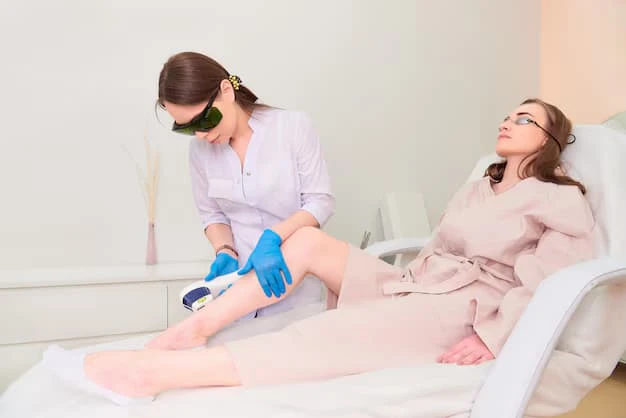
Non-surgical body contouring methods, such as radiofrequency skin tightening, ultrasound therapy, or cryolipolysis, can be effective for mild to moderate skin laxity. These treatments stimulate collagen production and reduce small pockets of fat without the need for invasive surgery.
Preparing for Body Contouring
Proper preparation is essential for achieving optimal results and minimizing complications.
Medical Evaluation
A thorough medical evaluation ensures that the patient is healthy enough to undergo surgery or non-surgical procedures. This may include blood tests, imaging, and an assessment of any pre-existing conditions.
Lifestyle Considerations
Maintaining a stable weight, eating a balanced diet, and avoiding smoking are crucial before body contouring procedures. Smoking can interfere with healing, while significant weight fluctuations can affect the results.
Setting Realistic Goals
Understanding what body contouring can and cannot achieve is vital. While these procedures can dramatically improve appearance and comfort, they are not a substitute for ongoing health and fitness efforts. A clear discussion with a qualified practitioner helps set realistic expectations.
Recovery and Results
Recovery time varies depending on the type and extent of the procedure. Surgical procedures generally require a few weeks of rest, while non-surgical treatments may involve minimal downtime. Patients are advised to follow post-procedure instructions carefully, including wearing compression garments, attending follow-up appointments, and gradually resuming physical activity.
Results can be long-lasting, especially when patients maintain a stable weight and healthy lifestyle. Over time, the skin and muscles adapt to the new contours, enhancing overall satisfaction with the appearance.
Risks and Considerations
As with any medical procedure, body contouring carries potential risks. These may include infection, scarring, fluid accumulation, or asymmetry. Selecting a qualified and experienced practitioner reduces the likelihood of complications. Open communication with the medical team is crucial to address concerns and ensure the best possible outcome.
Conclusion
Body contouring in Manchester provides an effective and transformative option for individuals who have experienced significant weight loss. By addressing excess skin, enhancing natural contours, and improving physical comfort, these procedures help restore confidence and promote overall well-being. The combination of surgical and non-surgical techniques allows for tailored solutions that meet the unique needs of each patient.
For those seeking professional guidance and treatment, Este Medical Group offers comprehensive expertise in body contouring, ensuring personalized care and optimal results for anyone looking to refine their post-weight-loss physique.










Sign in to leave a comment.