Small differences between the two sides of the face are completely normal. In fact, perfect symmetry is rare. Still, when these differences become more noticeable, some people look for gentle ways to create balance.
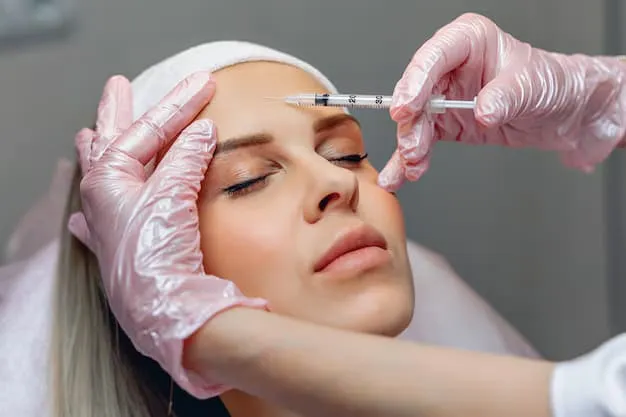
One option that has gained attention is Botox. Rather than changing facial structure, it works by adjusting how certain muscles move. This makes it a useful, non-surgical approach for mild asymmetry.
What Causes Facial Asymmetry?
Facial asymmetry can develop for several reasons. It is not always linked to ageing, though ageing can make it more visible.
Common causes include:
- Natural differences in bone structure.
- Uneven muscle activity
- Habitual facial expressions
- Sleeping positions over time
- Previous dental or jaw issues
In many cases, one side of the face is simply more active than the other. This difference in movement is where Botox can help.
How Botox Helps Create Balance
The role of Botox in asymmetry correction is based on muscle control. It does not add volume or reshape the face. Instead, it reduces the strength of selected muscles.
For example, if one eyebrow lifts higher than the other, a small amount of Botox can be placed to soften the stronger side. This helps both sides move more evenly.
The same idea applies to other areas, such as:
- Forehead lines
- Crow’s feet
- Jaw tension
- Mouth corners
The goal is not to make the face perfectly identical on both sides, but to create a more balanced appearance.
A Precise and Measured Approach
Treating asymmetry requires careful planning. Each face moves differently, so there is no fixed pattern for treatment.
When using Botox in this way, practitioners assess:
- Which muscles are more active?
- How the face moves at rest and during expression.
- The degree of asymmetry.
Small adjustments are then made. Often, lower doses are used to avoid over-correction.
This step-by-step method allows changes to look natural and controlled.
Common Areas Treated
Facial asymmetry can appear in different parts of the face. Some of the most common areas treated with Botox include:
Eyebrows
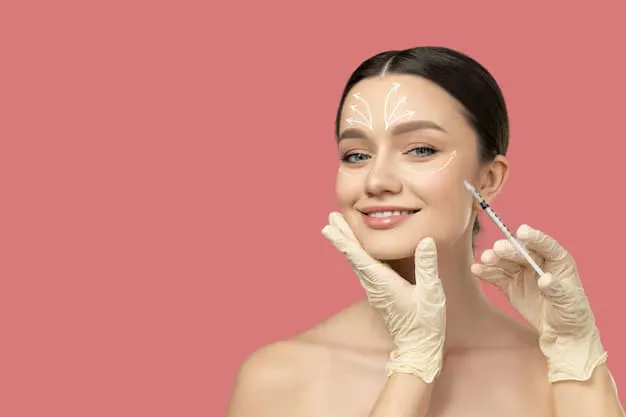
One brow may sit higher or move more than the other. Careful placement can help level their position.
Forehead
Uneven lines can form when one side is more expressive. Adjusting muscle activity can smooth this difference.
Eyes
One eye may appear more open than the other due to muscle strength. Botox can help create a more even look.
Jawline
Muscle imbalance in the jaw can affect facial shape. Treating one side can bring a better proportion.
Each treatment is tailored to the individual rather than following a standard plan.
What Results Can You Expect?
Results from Botox for asymmetry are usually subtle. The aim is improvement, not perfection.
After treatment:
- Facial movement becomes more balanced
- Differences appear less noticeable
- Expressions remain natural
It typically takes a few days to start seeing changes, with full results appearing within two weeks.
Because the effects are temporary, results will gradually fade over time. Follow-up may be needed to maintain balance.
Is It Suitable for Everyone?
Botox can help with mild to moderate asymmetry caused by muscle activity. However, it is not suitable for all cases.
If asymmetry is due to:
- Bone structure
- Significant volume loss
- Injury or medical conditions
Other treatments may be more appropriate.
A proper consultation is important to determine whether Botox is the right option. A trained practitioner will assess the cause before suggesting treatment.
Safety and Considerations
When performed correctly, Botox has a strong safety profile. For asymmetry correction, precision is especially important.
Over-treating one side can create new imbalances. This is why conservative dosing is often used at first, with adjustments made later if needed.
It is also important to have realistic expectations. The aim is to soften visible differences, not to create exact symmetry.
A Growing Preference for Non-Surgical Options
More people are choosing non-surgical treatments for small concerns. The appeal lies in:
- Minimal downtime
- Gradual, natural-looking changes.
- Lower commitment compared to surgery.
Using Botox for facial asymmetry fits well within this approach. It allows for gentle correction without altering the structure of the face.
This has made it a popular choice among those who want subtle improvement rather than dramatic change.
The Importance of Individual Assessment
No two faces are the same. Even small adjustments can have a noticeable effect.
Before treatment, a detailed assessment helps guide where Botox should be placed and how much should be used. This ensures the outcome supports natural expression.
Open communication is also important. Discussing concerns and expectations helps create a plan that feels comfortable and realistic.
Final Thoughts
Facial asymmetry is a natural part of how we look, but for those seeking balance, small adjustments can make a difference.
Botox offers a non-surgical way to address uneven muscle activity, helping create a more harmonious appearance without changing the face itself.
With careful planning and a measured approach, it can provide subtle, controlled results that maintain individuality while reducing noticeable differences.










Sign in to leave a comment.