
Where Brazed Plate Units Fit in Real Systems
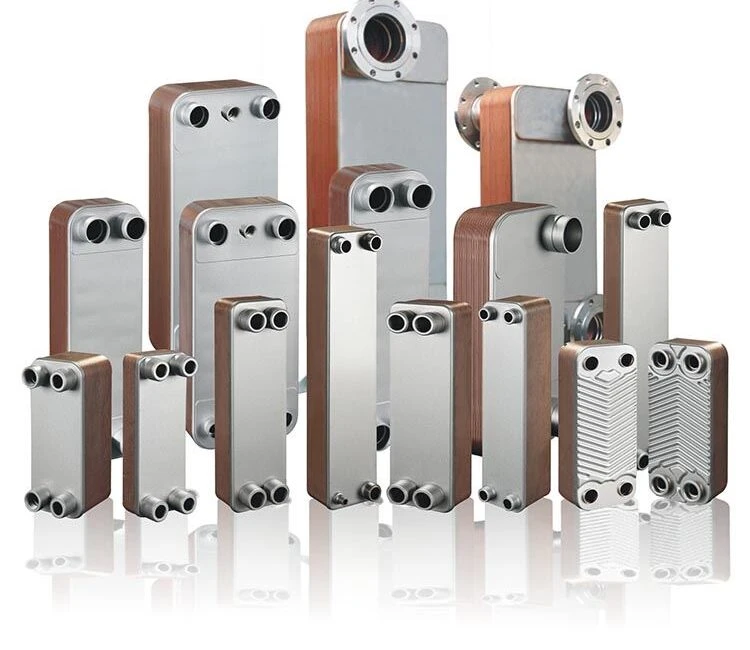
If you’ve worked around compact systems or skid packages, you’ve probably run into brazed plate heat exchangers more than once. They show up where space is tight and efficiency matters. And when they’re applied correctly, they do the job well—quietly, without much attention.
What Makes This Design Different From Others
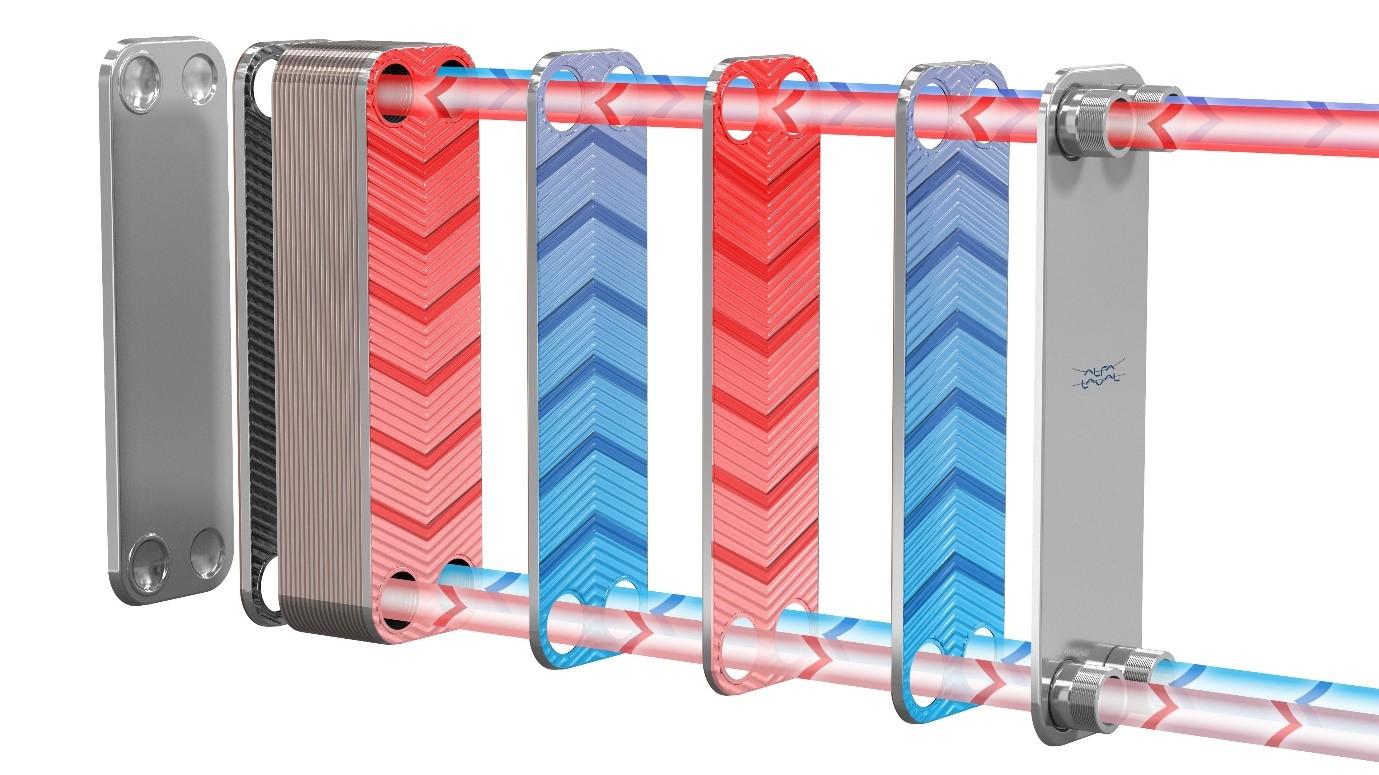
Instead of gaskets or mechanical seals, the plates are brazed together—usually with copper or nickel. That creates a sealed unit with no serviceable parts inside. It’s compact. It’s efficient. But once it’s built, that’s what you’ve got. No opening it up later.
Why Efficiency Isn’t the Only Factor
Look, high heat transfer rates are great. Small footprint is even better. But here’s the thing—these units don’t tolerate fouling or contamination well. Those narrow channels that give you efficiency also give you problems if the fluid isn’t clean. That tradeoff matters more than most spec sheets let on.
Where They Actually Work Well
Closed-loop systems are a good fit. HVAC applications, clean water circuits, oil cooling where the fluid quality is controlled. In those cases, brazed plate exchangers can outperform bulkier designs like shell and tube heat exchangers without taking up valuable space.
Houston Conditions Add a Layer of Reality
Houston heat exchangers deal with more than steady-state operation. You’ve got fluctuating loads, varying fluid quality, and environmental conditions that push equipment harder than expected. So when you’re considering brazed plate units, you’ve got to factor in how stable your process really is.
And That’s Where Problems Start
When assumptions don’t hold up.
Maintenance Isn’t Built Into the Design
Unlike plate and frame heat exchangers, you can’t just open these units and clean them. Once fouling builds up, you’re looking at chemical cleaning or replacement. That’s fine if you planned for it. Not fine if you didn’t.

What Happens When Performance Drops
You’ll see temperature approach widen. Efficiency falls off. Pumps work harder to compensate. And now what started as a compact, efficient solution turns into a bottleneck in your system. That’s the reality when conditions drift outside what the unit was designed for.
When Standard Units Don’t Quite Fit
There are situations where you need compact performance but can’t rely on perfectly clean conditions. That’s when you start looking at alternatives—or even a custom heat exchanger designed to handle your specific service. Because forcing a brazed plate unit into the wrong application rarely ends well (and no, that’s not something you want to discover mid-run).
Why Inventory Matters More Than You Think
Here’s something most distributors won’t say—availability can matter just as much as design. When a unit fails, you don’t have time to wait. Kinetic Engineering Corporation has been a stocking heat exchanger distributor Houston plants rely on since 1969, with actual inventory sitting in Houston ready to move.
The Difference Between Stocking and Ordering
Most suppliers quote you a unit and give you a lead time. Kinetic starts with what’s already on hand—brazed plate units, shell and tube heat exchangers, air cooled heat exchangers, and more. That changes how quickly you can respond when something goes down.

Making the Right Call Without Guesswork
If you’re working through industrial heat transfer Houston challenges, the goal isn’t to chase the smallest or most efficient design—it’s to match the equipment to reality. Brazed plate exchangers have their place. But only in the right conditions. Kinetic Engineering Corporation brings the inventory, the product range, and the experience to help you make that call with confidence. When you need equipment that performs the way it should, they’re where you start.
FAQ
Are brazed plate heat exchangers serviceable?
No. They’re sealed units, so cleaning options are limited compared to other designs.
Where do these exchangers work best?
In clean, closed-loop systems where fouling is minimal and conditions are stable.
How do they compare to plate and frame exchangers?
They’re more compact but less serviceable. Plate and frame units can be opened and cleaned.
What happens if a brazed plate exchanger fouls?
Performance drops quickly, and replacement is often the most practical solution.











Sign in to leave a comment.