

There’s just something about a brick wall. It instantly adds texture, warmth, and that timeless brick look that never really goes out of style. But when you’re trying to bring that classic brick charm into your own space, you quickly realize there are more options than you thought — especially when it comes to thin brick veneer and faux brick panels.
Both can create stunning modern brick wall designs or rustic red brick veneer features. But they have some pretty important differences that could sway your decision.
Let's break it down in a way that actually makes sense.
First Up: What Is Thin Brick Veneer?
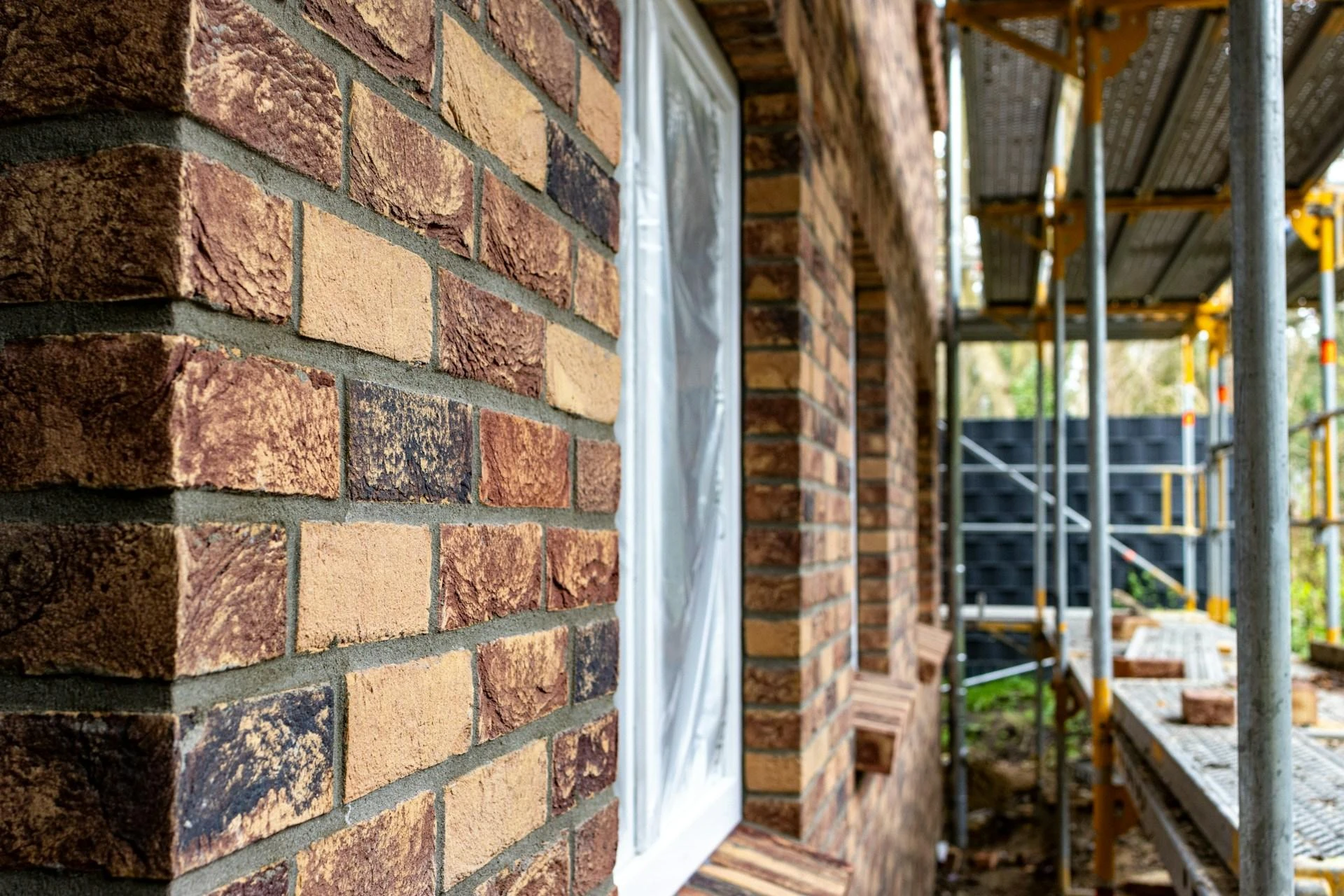
Thin brick veneer is made from real brick — just thinner. Instead of the chunky, full-thickness bricks you'd find on historic buildings, thin brick slices off the front face and gives you all the color, texture, and charm in a much lighter package.
We're talking about 1/2" to 1" thick, typically. That means you can install it on walls that wouldn't be able to handle the weight of traditional masonry without major reinforcements.
Antique brick veneer — one of the most popular styles — often comes from reclaimed bricks or is manufactured to look beautifully aged. You get that worn, imperfect look that feels authentic and lived-in right out of the box.
And What About Faux Brick Panels?
Faux brick panels take a different approach.
Instead of individual bricks, these are large panels molded from lightweight materials like polyurethane or fiberglass. They're designed to look like a whole section of brickwork — mortar lines and all — so installation is super quick.
Good faux brick panels can be surprisingly convincing, especially once they're painted or finished to match your vision. Plus, they’re even lighter and faster to install than thin brick veneer.
Where Thin Brick Veneer Shines
If you're after an exposed brick veneer that feels genuinely historic — one that you can run your hand across and feel every imperfect edge — thin brick veneer is the way to go.
Because it's real brick, you get:
- Authentic color variation
- True depth and roughness
- The ability to lay bricks with traditional mortar joints
Thin brick is perfect for:
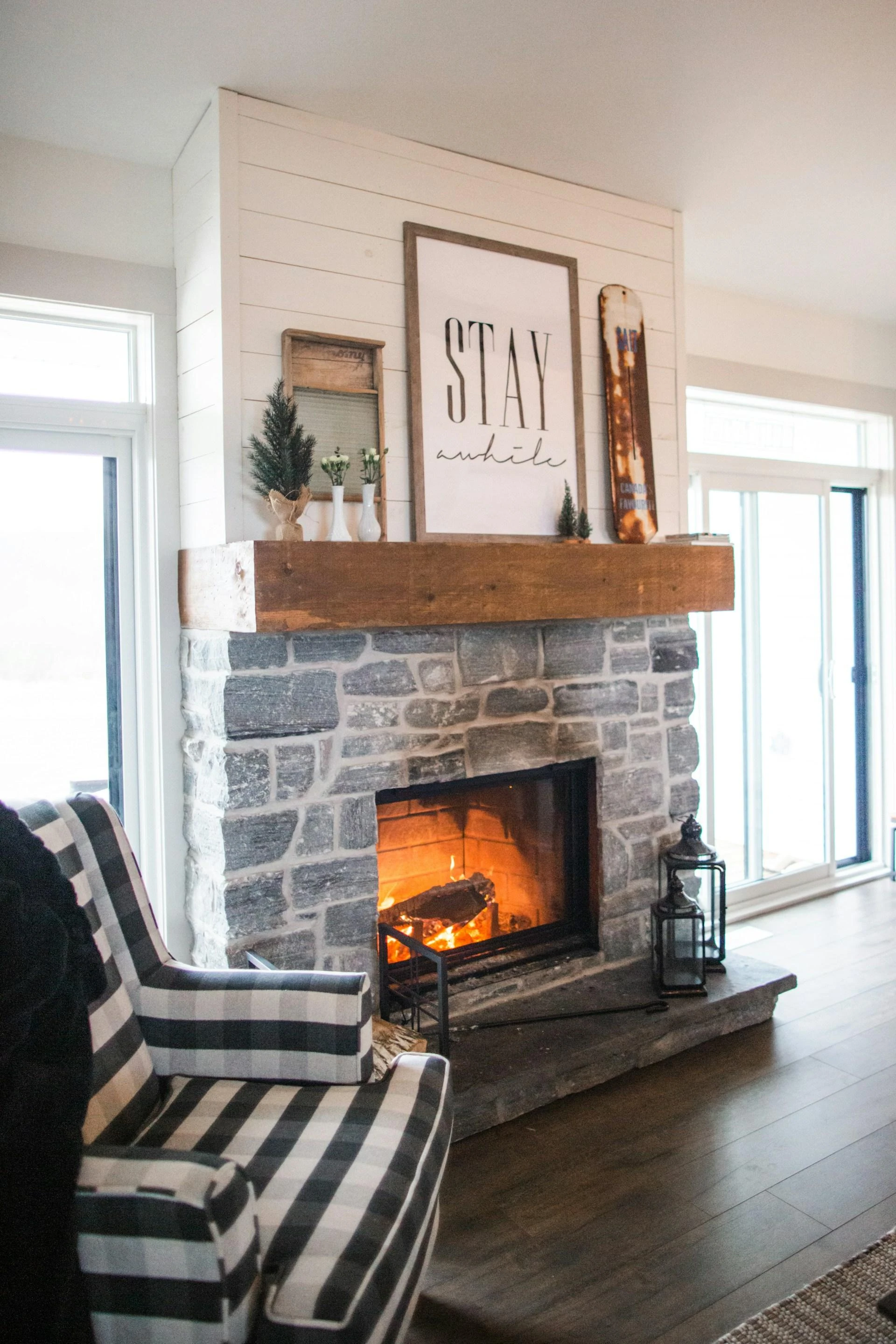
- Fireplace surrounds
- Kitchen backsplashes
- Accent walls in living rooms or bedrooms
- Exterior facades that need that classic brick charm
And because you can grout it just like full brick, you can play with different joint styles and mortar colors to completely change the vibe — from ultra-modern to ultra-rustic.
Where Faux Brick Panels Steal the Show
Sometimes, you just want to get that decorative brick finish without months of labor (or the budget that comes with it).
That’s where faux brick panels shine:
- They’re insanely fast to install
- They're lightweight enough for almost any surface
- They're more affordable upfront
Faux brick panels are ideal for:
- Quick retail or restaurant build-outs
- Theater sets or temporary installations
- Basement feature walls
- Projects where you need maximum impact with minimum effort
If you're less concerned about running your hand over every nook and cranny and more focused on the big picture look, faux brick panels deliver it beautifully.
Style Talk: Timeless Brick Look or More Modern Edge?
- Rustic red brick veneer (using thin brick) creates cozy, vintage vibes. Perfect for farmhouse kitchens, lofts, or anywhere you want that old-world texture.
- Faux brick panels can go either way — rustic or sleek — depending on the color and finish you choose. Want a whitewashed, beachy vibe? Done. Prefer an urban gray for modern brick wall designs? Easy.
The key is matching the finish and layout to the rest of your design. Brick can either be the bold centerpiece or a subtle backdrop, depending on how you treat it.
Real-Life Story: A Living Room Rescue
A friend of mine had a living room that just felt… flat. Nice furniture, good light — but it lacked character.
They installed antique brick veneer on one wall behind the TV, using slightly rough grout lines to create a rustic, hand-built feel. Instantly, the room had depth, warmth, and a sense of permanence.
Their neighbor loved the look but didn't have the time (or interest) for brick-by-brick installation. So they chose faux brick panels for their basement bar wall. Two afternoons later? Same vibe. Different route.
Both rooms look amazing — and fit their owners' lifestyles perfectly.
A Few Quick Pros and Cons
Thin Brick Veneer:
- More authentic, tactile feel
- Greater design flexibility (mortar colors, joint styles)
- Longer install time
- Slightly higher material and labor costs
Faux Brick Panels:
- Faster, easier installation
- Lower weight—great for tricky surfaces
- Slightly less authentic close-up texture
- Lower overall cost
So, Which Decorative Brick Finish Is Right for You?
It really comes down to your priorities:
- Want that exposed brick veneer you can run your hand over and feel the history? Thin brick veneer wins.
- Need a quick, impactful change with a friendly price tag? Faux brick panels have your back.
Either way, you’re bringing that timeless brick look into your space — and adding character, texture, and classic brick charm that few other materials can match.
https://canyonstonecanada.com/Thin-Brick-Veneer
https://canyonstonecanada.com/wallbricks/wallbrick/Antique-Brick-Veneer
https://stoneselex.com/Thin-Brick-Veneer
When you’re ready to explore the best options, Stone Selex and Canyon Stone Canada offer a wide range of thin brick veneer, antique brick veneer, faux brick panels, and exposed brick veneer solutions — plus the expert advice you need to pick the perfect fit.











Sign in to leave a comment.