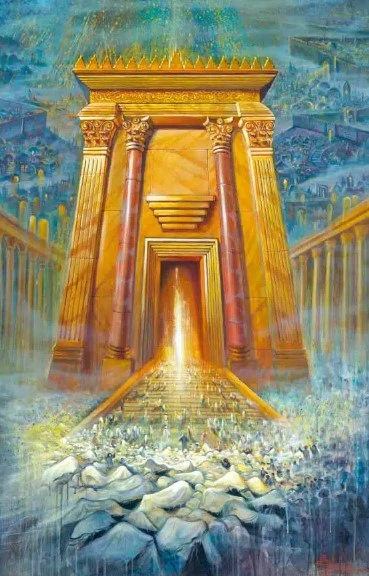

For many, contemporary Jewish art can feel unfamiliar or even intimidating. Its wide-ranging themes, innovative techniques, and modern interpretations often require audiences to step outside their comfort zones and explore cultural elements in new ways. However, abstract Jerusalem paintings provide a welcoming entry point for those seeking to engage with this rich and diverse art form. By blending abstraction with one of the most iconic symbols of Jewish identity—Jerusalem—these works offer an accessible and emotional connection that invites viewers to explore the broader world of contemporary Jewish art.
Accessibility of Abstraction
Abstract art stands out for its ability to transcend literal representation, creating a space for viewers to connect with their own emotions and interpretations. Abstract Jerusalem paintings embody this concept by reimagining the city’s landscapes, sacred spaces, and symbols through colors, textures, and shapes that speak directly to the heart.
Instead of focusing on precise depictions of the Western Wall or the Old City, these works use abstraction to evoke the spiritual and historical weight of Jerusalem. This approach allows individuals from all backgrounds to engage with the art on their own terms, fostering a personal connection to the themes presented.
For example, swirling patterns might symbolize the city’s dynamic energy, while muted tones can reflect moments of contemplation. These layers of interpretation make abstract Jerusalem paintings a perfect introduction to the complexities of contemporary Jewish art. A curated collection of Abstract Jerusalem paintings offers a glimpse into how these works make art accessible to broader audiences.

From Jerusalem to Jewish Identity
Abstract Jerusalem paintings do more than depict a city—they serve as a gateway to exploring Jewish identity, history, and culture. By engaging with these works, viewers can delve into deeper themes present in contemporary Jewish art, such as the interplay between tradition and modernity or the resilience of Jewish communities across time.
Many contemporary Jewish artists expand on these themes, using abstraction to explore broader questions of belonging, memory, and spirituality. For instance, while a Jerusalem painting may evoke the city’s physical essence, other works might examine what Jerusalem represents emotionally or spiritually in the diaspora. This progression allows audiences to move from appreciating a specific subject—like Jerusalem—to understanding the universal aspects of Jewish identity and culture.
The connection is seamless: abstract works focusing on Jerusalem provide a foundation of familiarity, while broader explorations of contemporary Jewish art invite viewers to uncover the depth and diversity of the modern Jewish artistic experience.
Recommendations for Engaging with Abstract Art
For those new to contemporary Jewish art, starting with abstract Jerusalem paintings offers several benefits:
1. Emotional Engagement:
The absence of rigid depictions in abstract art creates an opportunity to feel rather than analyze. Let the colors, forms, and textures guide your experience.
2. A Gradual Exploration:
Begin with works that resonate with your understanding of Jerusalem and gradually branch out to other pieces within the genre. This progression allows for a deeper appreciation of Jewish art as a whole.
3. Understanding Artistic Context:
Learn about the artists behind the works. Many contemporary Jewish artists draw inspiration from personal experiences, cultural traditions, or historical events, adding layers of meaning to their creations.
4. Seek Authentic Sources:
Platforms specializing in Jewish art, such as ArtLevin, provide carefully curated collections of abstract and modern works. These collections ensure authenticity while offering a diverse range of styles and interpretations.
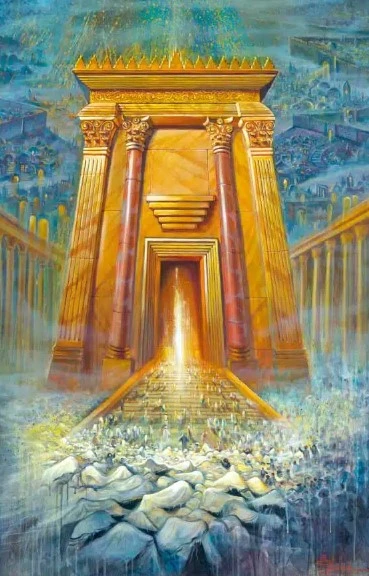
Abstract Jerusalem paintings serve as a bridge between the familiar and the modern, making contemporary Jewish art more approachable for audiences who might otherwise feel disconnected from it. These works allow viewers to engage emotionally, fostering a sense of connection that encourages further exploration into the richness and diversity of Jewish art.
By starting with abstract representations of Jerusalem and gradually expanding into other themes, art enthusiasts can uncover a world of creativity that speaks to identity, culture, and history in ways that resonate on a deeply personal level. For those ready to take the first step, collections like Abstract Jerusalem paintings and broader selections of contemporary Jewish art provide an excellent starting point to embark on this artistic journey.










Sign in to leave a comment.