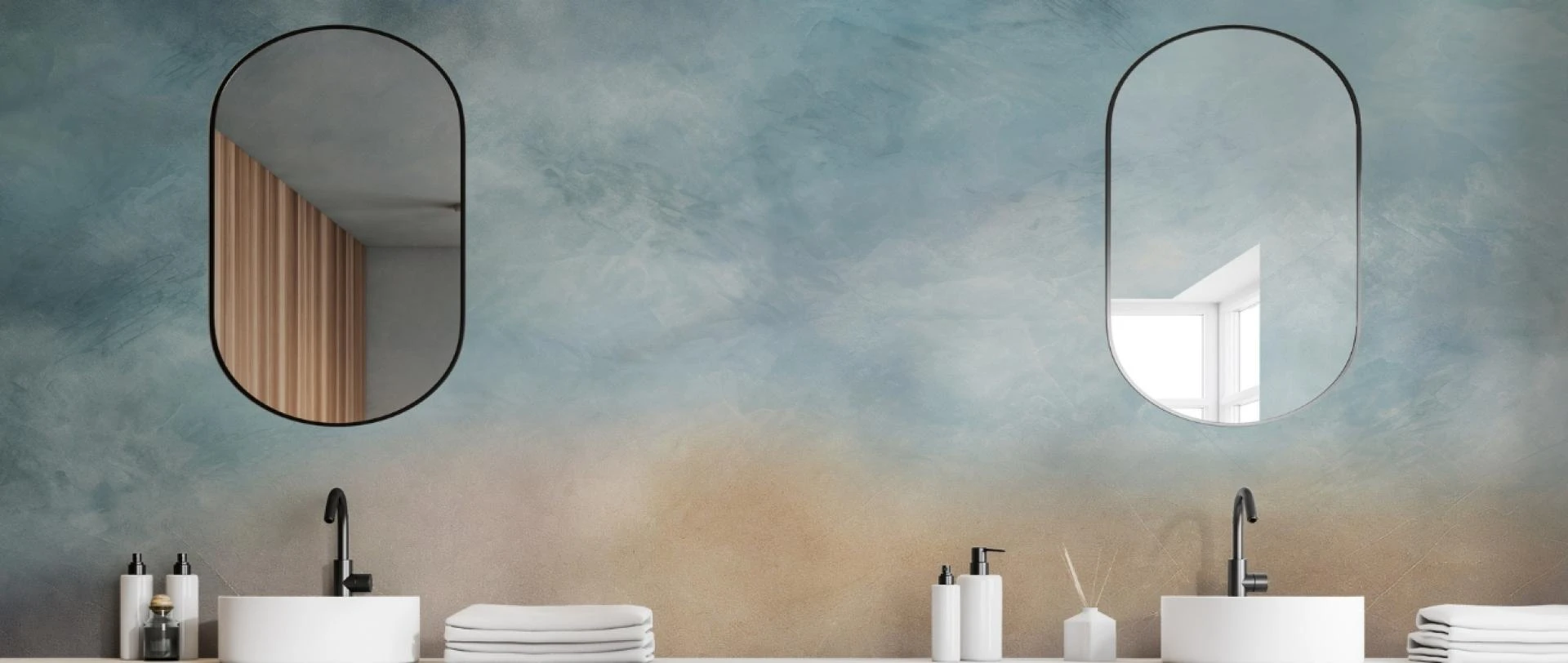

Turn your home with wallpaper adds personality, color, and texture that paint alone cannot achieve. From a subtle accent to a bold statement, the right room wallpaper can redefine any space. However, undertaking a whole-house project requires careful financial planning. This guide will walk you through budgeting for your wallpaper project, ensuring a beautiful result without unexpected costs.
Measuring for Success: The First Step
Before you fall in love with a pattern, you need to know your numbers. The foundation of your budget is accurate measurements. Start by measuring the height and width of each wall you plan to cover. Multiply these two numbers to get the square footage for each wall, then add the totals together for the room’s total. Don't subtract for windows or doors unless they take up a significant portion of the wall; it's better to have extra paper for mistakes and future repairs. Remember to also measure the dimensions if you plan to install wallpaper for ceiling, a dramatic choice that can make a room feel cozier or more grand.
Decoding Wallpaper Costs and Types
The price of wallpaper varies dramatically based on material, brand, and design intricacy. A standard roll can range from $25 to over $200. Understanding the different types is key to setting a realistic budget.
- Vinyl: Durable and easy to clean, vinyl is an excellent, often budget-friendly choice. Many types of washable wallpaper are vinyl-based, making them perfect for high-traffic areas.
- Non-Woven: This type is user-friendly for DIYers as it's fully strippable and doesn't expand or contract when wet.
- Peel-and-Stick: The ultimate rental friendly wallpaper, this option is removable and repositionable without damaging walls, though it can be more expensive per square foot than traditional paper.
- Specialty Papers: Materials like grasscloth, silk, or embossed papers offer luxurious texture but come at a premium price and often require professional installation.
A Room-by-Room Budget Breakdown
Different rooms have different functional needs, which will influence your choice and budget for wallpaper for rooms.
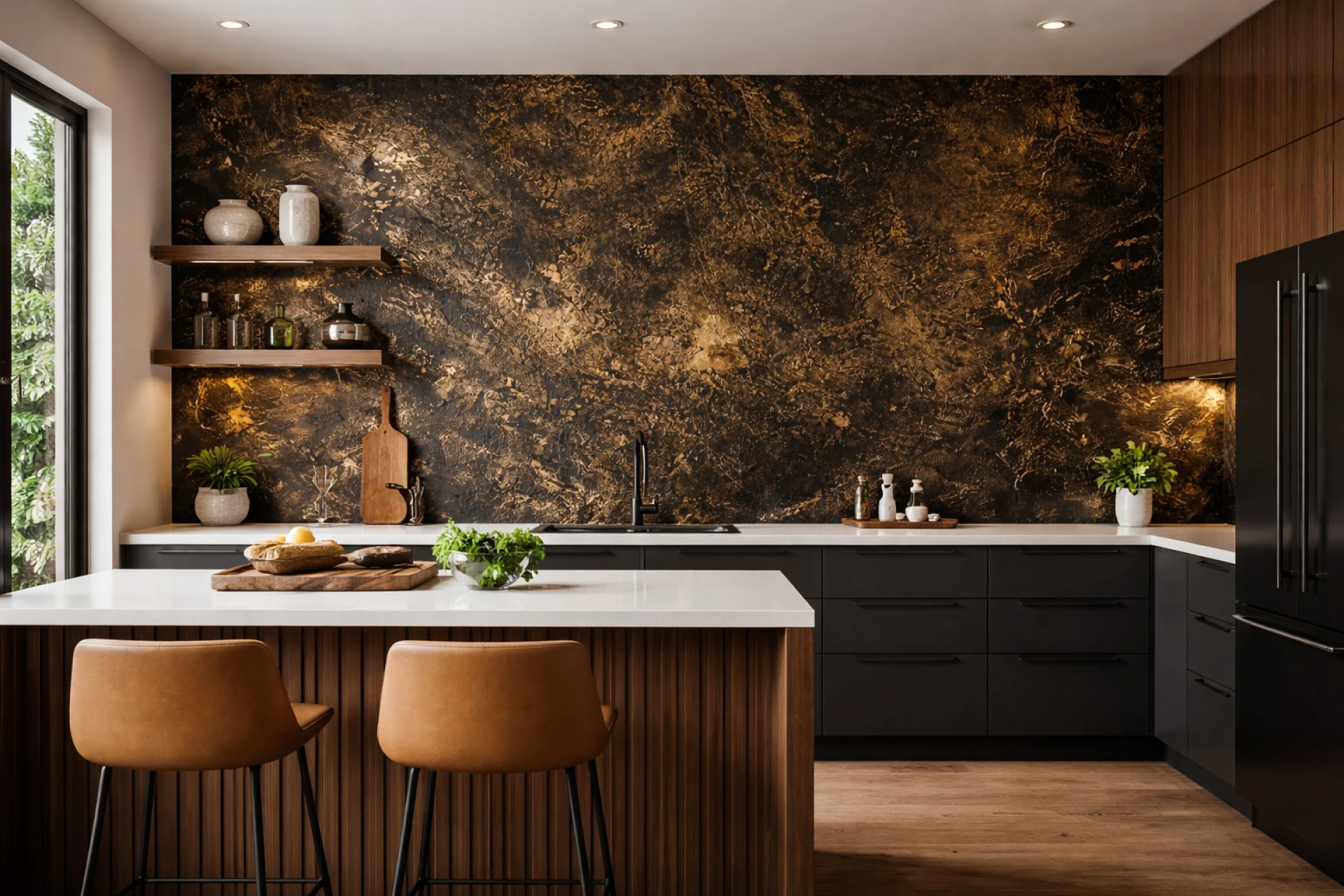
- Kitchen and Bathroom: These spaces demand durability and resistance to moisture and grease. For the kitchen, choose a robust kitchen wallpaper that can be wiped down easily. In the bathroom, investing in high-quality waterproof bathroom wallpaper is essential to prevent peeling and mildew. This specialized bathroom wallpaper is designed to withstand humidity.
- Bedroom: This is your sanctuary, making it the perfect place for expressive bedroom wallpaper. You might even consider a bedroom wall mural on a single wall as a stunning focal point. Murals are typically priced by the project rather than the roll, so factor that in.
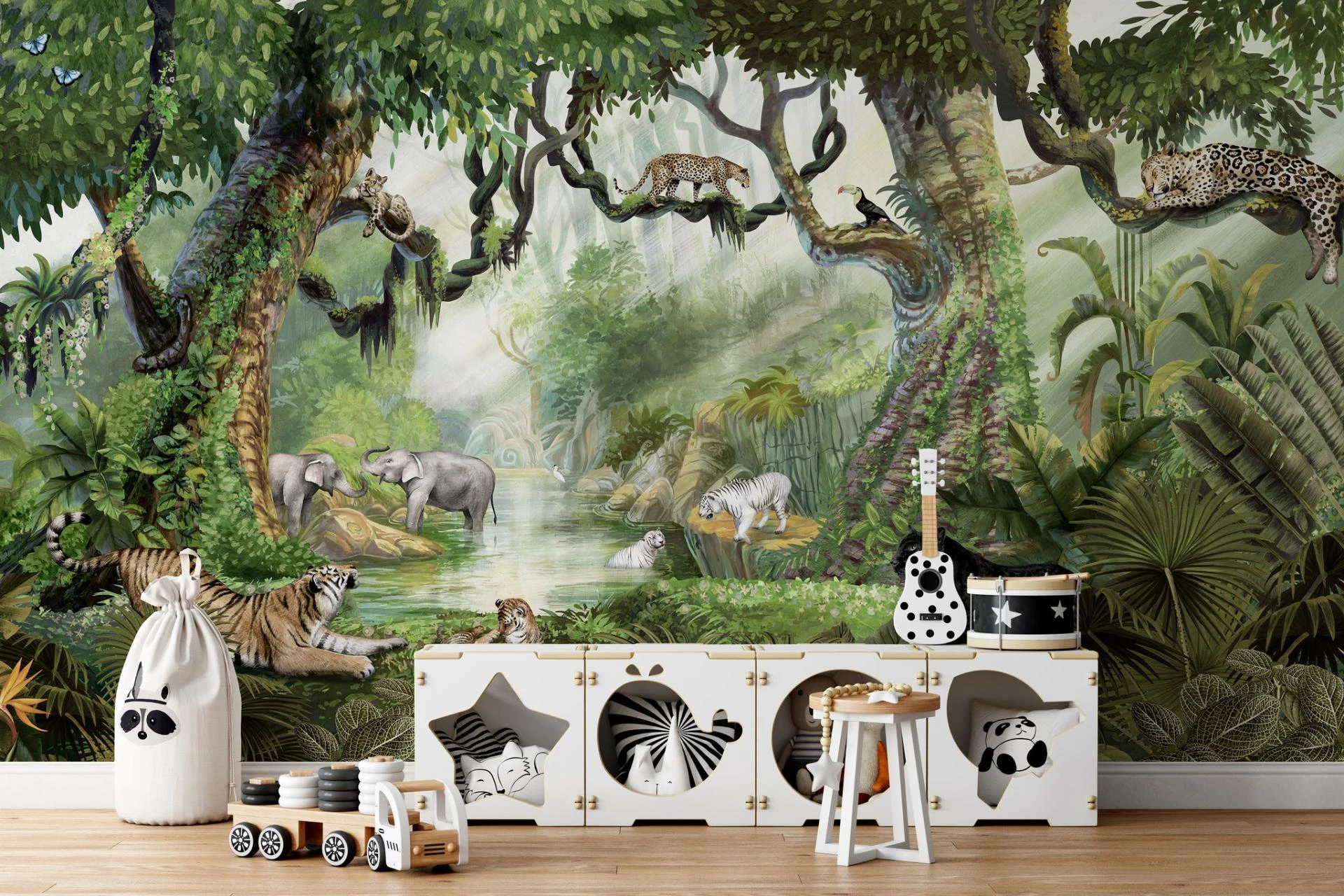
- Nursery: When selecting nursery wallpaper, safety and cleanability are paramount. Look for non-toxic, VOC-free materials. A cheerful nursery wall paper can create a whimsical and stimulating environment for your little one.
Don't Forget Tools and Labor
The wallpaper itself is just one part of the total cost. You must also budget for supplies and potential labor. If you're going the DIY route, you will need a wallpaper smoothing tool, a sharp utility knife, a seam roller, adhesive (if the paper isn't pre-pasted), a level, and a measuring tape. These items can add $50-$100 to your total.
For complex patterns, expensive materials, or simply to ensure a perfect finish, hiring a professional is a wise investment. Professional installation costs vary by location and the complexity of the job but typically range from $3 to $7 per square foot. Factoring in this labor cost from the start will prevent budget overruns and guarantee a flawless application.










Sign in to leave a comment.