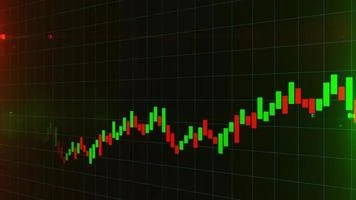

For many aspiring traders, stepping into the world of futures can feel overwhelming. Among the various futures contracts available, S&P futures offer an attractive starting point due to their relevance to the broader stock market. However, the complexity of real-time market movements, margin requirements, and risk factors can make it intimidating for someone just beginning. That’s where the practice method known as paper trading for beginners becomes essential. It offers a stress-free environment to learn without financial consequences while closely tracking actual market behavior.
Understanding S&P Futures: A Foundation in Market Movement
Before delving into practice techniques, it’s crucial to understand what S&P futures represent. These contracts are agreements to buy or sell the S&P 500 index at a predetermined future date and price. The S&P 500 index includes a wide range of leading U.S. companies and reflects the overall health of the stock market. S&P futures are commonly used by both institutional and individual traders to speculate on market direction or hedge existing positions.
Trading these contracts involves predicting whether the index will go up or down. Because they are available almost 24 hours a day and respond quickly to economic events, S&P futures are a valuable tool for active traders. However, due to their sensitivity and leverage, it's important to learn how they react under different market conditions—without jumping in with real money.
What Is Paper Trading for Beginners?
Paper trading for beginners refers to simulated trading done without using real money. It allows individuals to practice placing trades, executing orders, and managing positions as if they were in the live market. Beginners can see how strategies play out over time and get a feel for trading platforms, order types, and market behavior. The term “paper” comes from the old practice of writing trades on paper before committing real funds, though today’s paper trading is often done digitally on platforms that mirror live markets.
This approach is particularly valuable for those new to S&P futures because it builds familiarity with the contract’s movement and margin requirements in a risk-free setting.
Why Practice Matters Before Trading S&P Futures
Jumping straight into S&P futures with live capital can be financially and emotionally draining for a new trader. That’s why paper trading for beginners should be treated as a crucial learning phase. S&P futures tend to be volatile, and price changes can happen quickly due to global economic events or domestic financial reports. When you paper trade, you learn how to respond to those changes in real time.
It helps you understand:
- How the S&P 500 index reacts to macroeconomic news
- The timing of trades based on market volatility
- How overnight price gaps affect futures contracts
- Managing open positions during high-stress scenarios
Paper trading also helps new traders identify personal weaknesses, such as hesitating to place orders or closing trades too early. Recognizing and correcting these behaviors in a simulated environment can save significant losses later.
Key Elements to Practice While Paper Trading
When you begin paper trading for beginners, your focus shouldn’t just be on entering and exiting trades. It’s about building habits, discipline, and understanding price behavior. Here are a few areas you should focus on while paper trading S&P futures:
- Order Types: Learn how market, limit, and stop orders function in a futures context.
- Risk Management: Practice setting stop-loss and profit targets based on risk-reward ratios.
- Position Sizing: Simulate different contract sizes to understand how leverage affects account balance.
- Timeframes: Experiment with various trading styles—scalping, intraday, or swing trading.
- Daily Review: Keep a journal of each trade, noting why it was entered, how it played out, and what could be improved.
The purpose of this simulation isn’t just to create “winning trades” but to develop a consistent method of analysis and execution that you can apply when using real funds.
Emotional Growth Through Simulated Experience
Many underestimate the emotional aspect of futures trading. When real money is involved, emotions such as fear, greed, or overconfidence can cloud decision-making. While paper trading for beginners does not fully recreate the stress of financial loss, it still allows users to practice self-control and stick to their strategy.
In the context of S&P futures, emotional reactions can be particularly dangerous due to the speed and magnitude of price movements. A beginner who has experienced similar movements in a paper trading environment is more likely to remain calm, reassess the situation, and make better decisions when live trading begins.
Transitioning from Paper to Live Trading
Once consistent results are achieved during paper trading for beginners, the next step involves transitioning into live markets. But this must be done gradually. Some traders start with a single contract or reduce position size significantly to adjust to the pressure of trading real money.
Still, the foundation built through paper trading—especially with instruments like S&P futures—serves as a valuable buffer during this transition. You will have already experienced market open volatility, news-driven reactions, and the dynamics of time-based entries or exits. That exposure reduces the chances of being overwhelmed when you start trading live.
Final Thoughts
For new market participants, S&P futures offer a dynamic yet demanding opportunity. While they carry potential for growth and skill development, they also come with high risk. This is why paper trading for beginners should be viewed as more than just a practice run—it’s a training phase that shapes the foundation for long-term success.
Rather than rushing into real positions, beginners should commit to several weeks or months of structured paper trading. This helps develop both technical understanding and emotional discipline. Only once a trader feels confident with strategy execution, order management, and market observation should they consider entering the live arena with real capital.











Sign in to leave a comment.