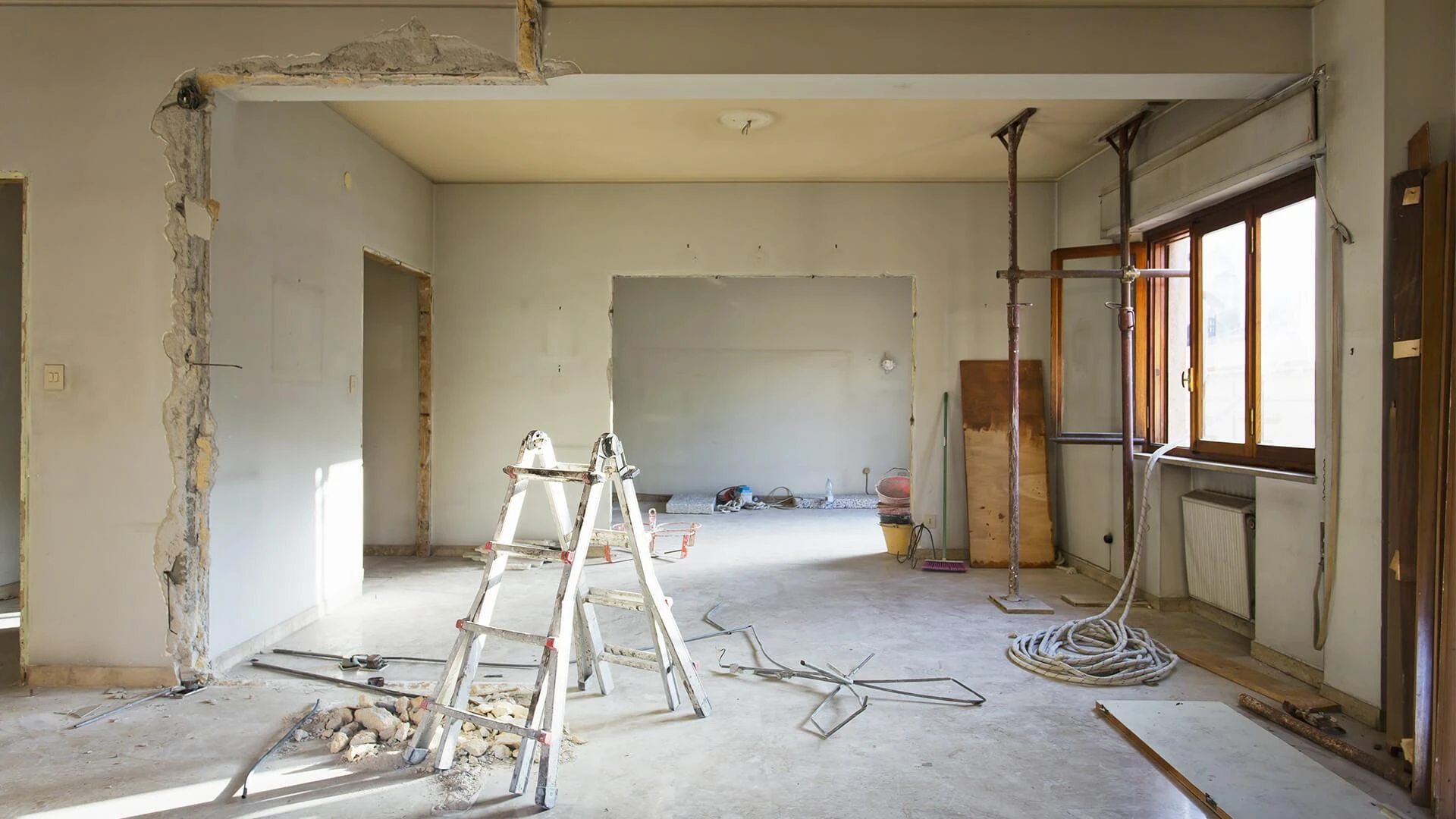
Prioritizing insulation at the beginning of any Wolf Creek building or renovation project provides maximum energy efficiency, cost savings, and structural integrity. Installing proper insulation before finishing walls, ceilings, and floors eliminates the need for disruptive retrofitting later while ensuring optimal performance from HVAC systems. Data from the Oregon Department of Energy shows that addressing insulation first in construction projects reduces lifetime building energy consumption by 40-60% compared to adding insulation as an afterthought.
Wolf Creek's unique climate conditions—with cold, wet winters and increasingly hot summers—make proper insulation sequencing particularly crucial. According to the Building Science Corporation's 2024 regional analysis, Oregon structures with insulation prioritized early in the building process maintain 22% better thermal efficiency over their lifespan compared to similarly constructed buildings where insulation was added or upgraded later. This approach represents industry best practice based on decades of building performance research and real-world installation experience.
Wolf Creek Climate Considerations
Understanding Wolf Creek's specific climate challenges clarifies why insulation sequencing matters:
Climate Factor
Wolf Creek Data
Insulation Impact
Early Installation Advantage
Winter Low Temperatures
Average 28°F
Prevents heat loss
Access to framing cavities before drywall
Annual Precipitation
35+ inches
Moisture control
Proper vapor barrier integration
Summer High Temperatures
Increasing to 95°F+
Prevents heat gain
Comprehensive coverage before obstacles
Temperature Fluctuations
30°F+ daily swings possible
Thermal mass regulation
Complete thermal envelope
Wildfire Risk
Elevated
Ember resistance
Opportunity for fire-resistant materials
According to the National Weather Service's Southern Oregon Climate Summary, Wolf Creek experiences more extreme temperature variations than coastal Oregon regions. This climate profile demands comprehensive insulation strategies installed at the optimal building stage.
The Cost-Benefit Analysis of Early Insulation
Installing insulation at the beginning of construction or major renovation delivers significant financial advantages:
Approach
Installation Cost
Energy Savings
Retrofit Requirements
Total 10-Year Cost
Insulation First
Baseline
40-60%
None
Lowest
Standard Build, Later Insulation
+15-30%
25-40%
Moderate
Moderate
Minimal Initial, Major Retrofit
+40-70%
Variable
Extensive
Highest
The Oregon Energy Trust reports that homes with proper insulation installed during initial construction save homeowners an average of $573 annually on heating and cooling costs in Wolf Creek's climate zone. These savings compound over time, while also reducing the carbon footprint of the structure.
Bonus Tip: Wolf Creek's elevation and surrounding topography create microclimates within the area. Properties at higher elevations or in shaded valleys may experience up to 12°F difference in average temperatures, requiring customized insulation strategies. Consulting insulation professionals familiar with these local variations prevents costly performance issues.
Critical Building Stages for Insulation
Pre-Construction Planning
Insulation planning should begin at the architectural design phase. Building orientation, window placement, and structural elements all impact insulation effectiveness. The Department of Energy's Building America program shows that homes designed with insulation as a priority rather than an afterthought achieve 27% higher energy performance scores.
Key decisions at this stage include:
- Determining optimal R-values for each building assembly
- Selecting appropriate insulation types for different applications
- Planning for thermal breaks to prevent heat transfer
- Designing proper ventilation to complement insulation performance
Rough-In Stage Benefits
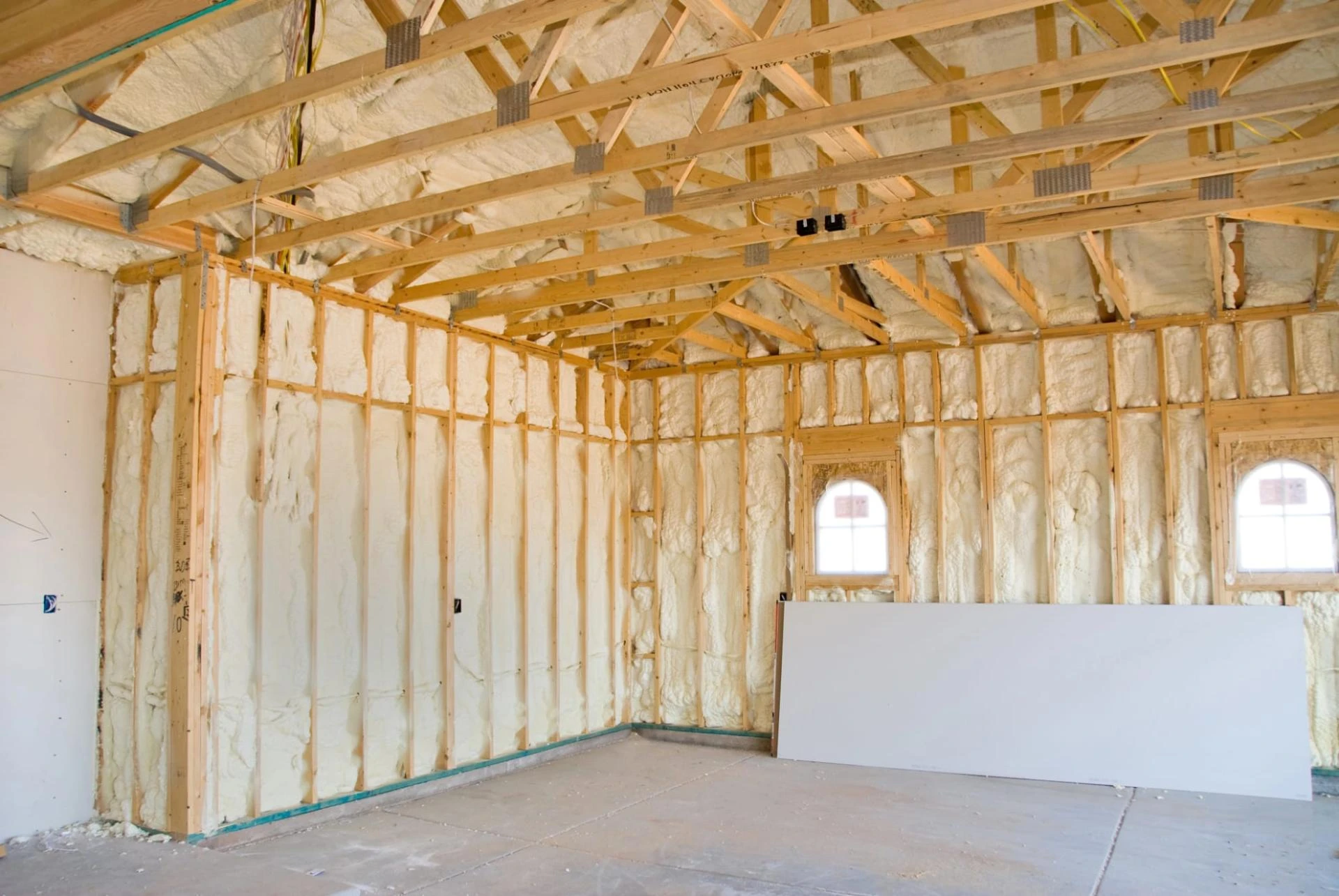
The period between framing completion and drywall installation represents the ideal window for insulation installation:
- Complete access to wall cavities, floor joists, and ceiling spaces
- Ability to address potential thermal bridges around windows, doors and structural elements
- Opportunity to properly seal penetrations for plumbing, electrical, and mechanical systems
- Coordination with other trades to ensure insulation integrity
During this stage, professionals can conduct blower door tests to identify and address air leakage before walls are closed, a process much more difficult and expensive after construction completion.
Foundation and Below-Grade Opportunities
Insulating foundation walls and under-slab areas during construction provides benefits impossible to achieve later:
- Warmer floor surfaces throughout the structure
- Protection against ground moisture migration
- Greater usability of basement or lower-level spaces
- Reduced thermal mass heat loss in winter months
The Environmental Protection Agency estimates that properly insulated foundations can reduce heating energy up to 17% in Northern climate zones like Wolf Creek.
Bonus Tip: For Wolf Creek's particular soil conditions, which often contain heavy clay content, including a capillary break (gravel layer) beneath foundation insulation dramatically improves long-term moisture management and insulation performance.
Insulation Types and Optimal Installation Sequence
Insulation Type
Best Installation Phase
R-Value Per Inch
Wolf Creek Climate Suitability
Closed Cell Spray Foam
After rough mechanicals, before drywall
6.0-7.0
Excellent
Open Cell Spray Foam
After rough mechanicals, before drywall
3.5-3.8
Good
Fiberglass Batts
After rough mechanicals, before drywall
3.1-4.3
Moderate
Blown-In Insulation
After drywall for attics; during construction for walls
2.7-4.3
Good
Rigid Foam Board
Foundation stage and exterior sheathing
5.0-6.5
Excellent
According to research by the Pacific Northwest National Laboratory, properly sequenced installation of these insulation types in Wolf Creek's climate zone yields 32% better thermal performance than identical materials installed reactively or as retrofits.
Things to Consider Before Making a Decision
When planning insulation sequencing for Wolf Creek properties, several factors merit careful evaluation:
- Budget Allocation: Investing in quality insulation during construction typically costs 30-40% less than equivalent retrofitting. A 2024 study by the Home Building Association of Oregon found that every dollar invested in proper initial insulation saves approximately $4 in energy costs over 20 years.
- Long-Term Occupancy Plans: Properties intended for long-term ownership justify higher-performance insulation systems with longer payback periods. The Northwest Energy Efficiency Alliance recommends exceeding minimum code requirements by at least 20% for optimal lifecycle value.
- Local Building Codes: Wolf Creek falls under Oregon's relatively stringent energy codes. Current requirements specify minimum R-38 for attics, R-21 for walls, and R-30 for floors in new construction. However, these represent minimum standards rather than optimal performance targets.
- Specific Property Characteristics: Building orientation, window-to-wall ratios, and site exposure significantly impact insulation requirements. North-facing slopes common in Wolf Creek may require 15-25% higher insulation values than south-facing properties to maintain equivalent comfort and efficiency.
- Integration with Other Systems: Insulation works as part of a comprehensive building envelope system. Coordinating insulation with air sealing, vapor management, and ventilation strategies delivers dramatically better performance than addressing each component separately.
Professional Insulation Services
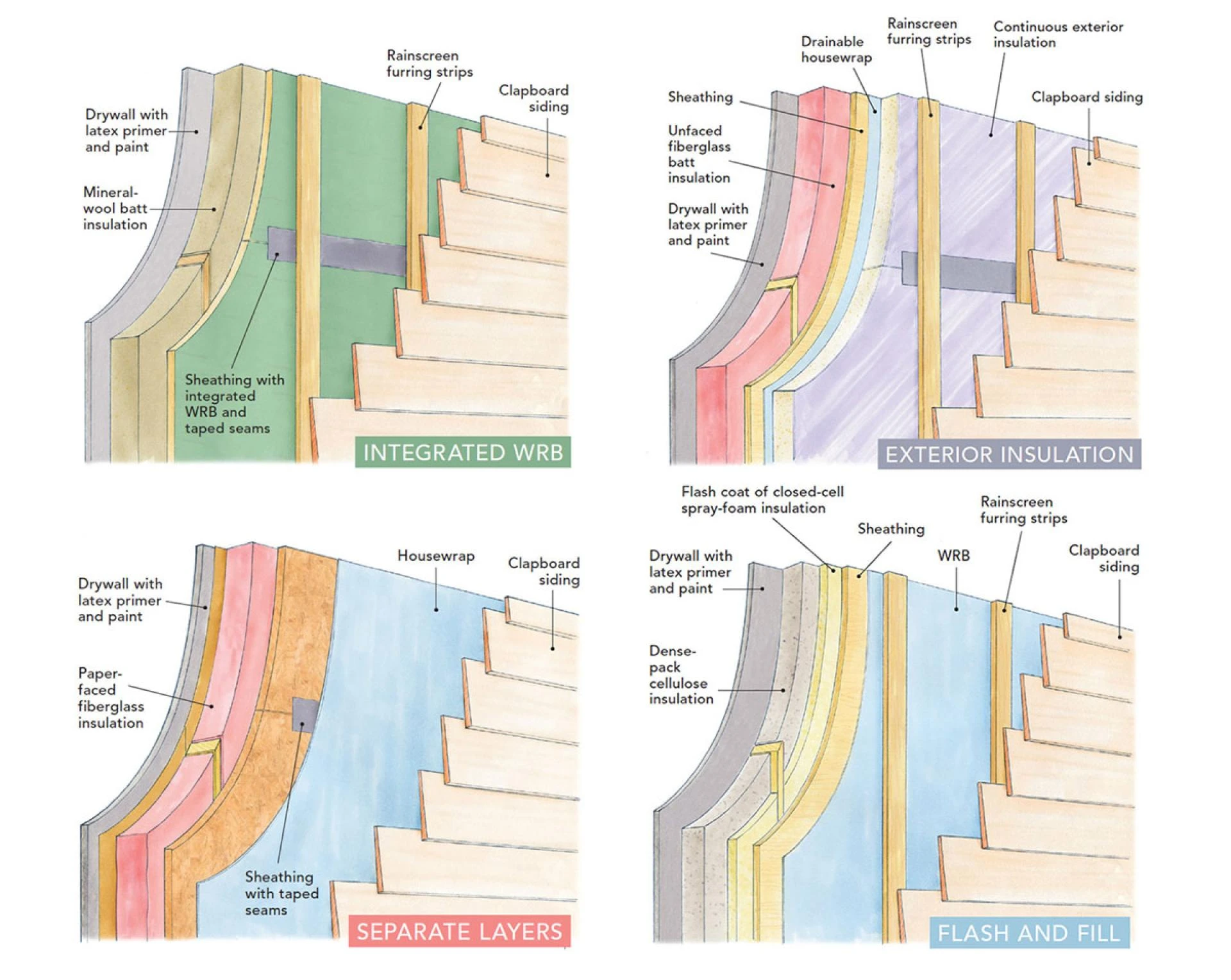
Closed Cell Spray Foam
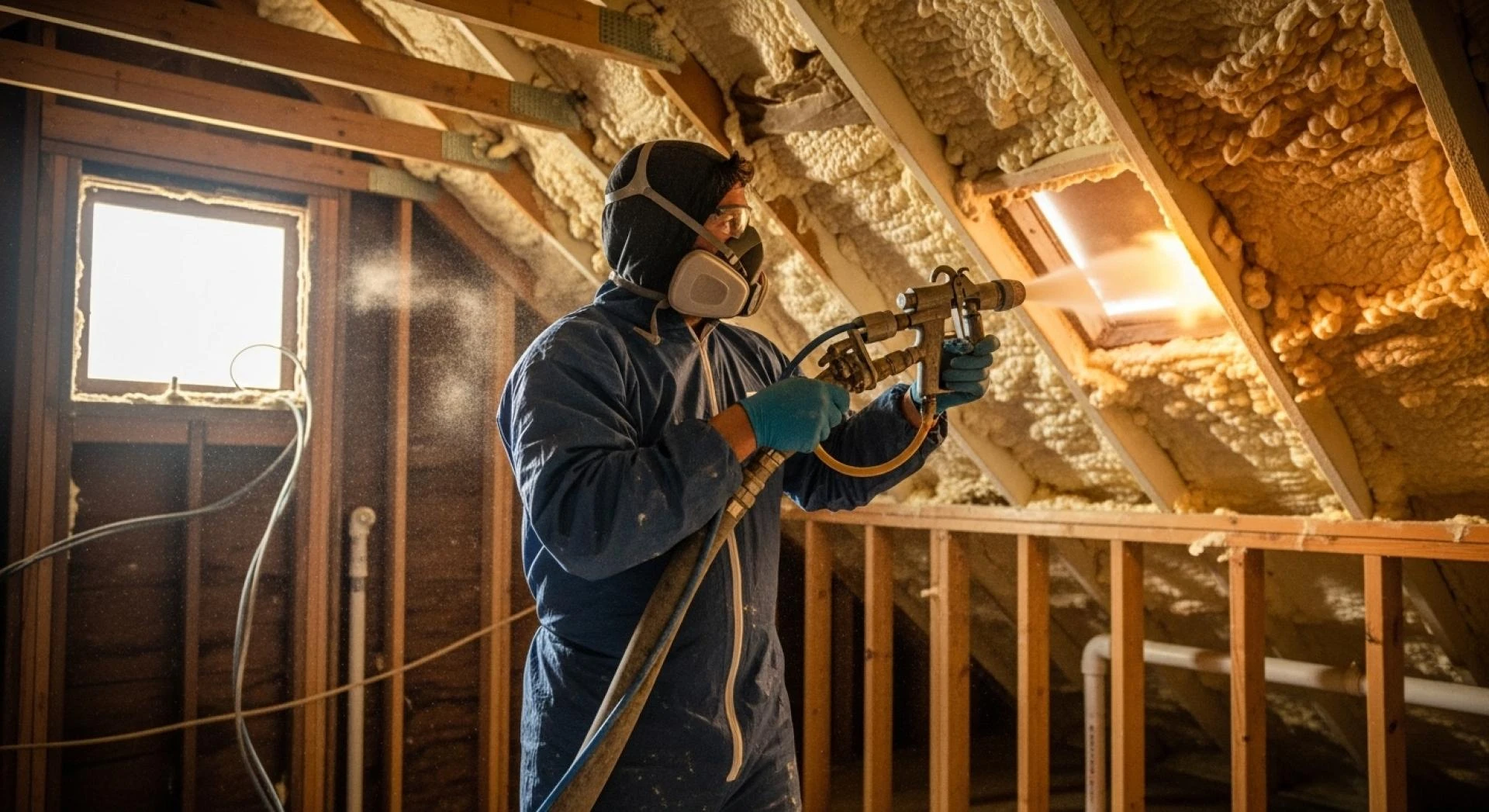
Creates an airtight barrier with superior moisture resistance while offering the highest R-value per inch. Particularly effective for Wolf Creek's variable climate conditions due to its excellent air sealing properties and structural reinforcement capabilities. Installation during the pre-drywall phase allows for complete coverage of framing cavities and penetrations.
Open Cell Spray Foam
Provides excellent air sealing with moderate moisture permeability at a lower cost than closed cell alternatives. Fills irregular cavities completely while allowing some vapor transmission, making it suitable for interior walls and certain unconditioned spaces. Best installed after rough mechanicals before interior finishes.
Fiberglass Batt Insulation
Delivers cost-effective thermal resistance when properly installed between framing members. Requires careful fitting around obstacles and proper air sealing techniques to perform optimally. Installation during the pre-drywall phase ensures proper friction fit without compression.
Blown-In Insulation
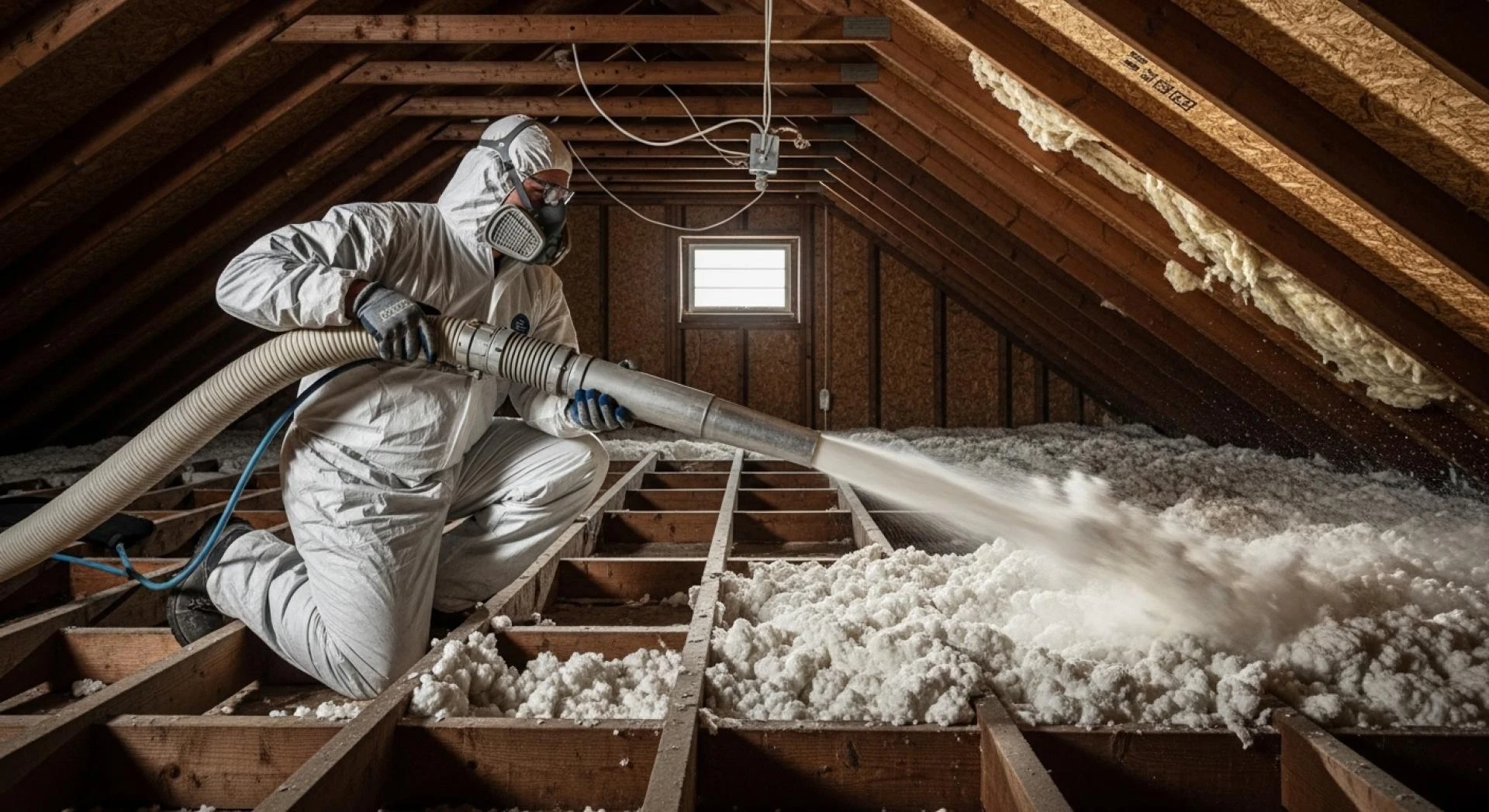
Offers exceptional coverage in attic spaces and existing wall cavities. Available in cellulose or fiberglass formulations with varying performance characteristics. Optimal installation occurs after drywall for attics but requires specialized equipment and experienced technicians for wall applications during construction.
Membrane Roofing
Integrates with insulation systems to create a complete thermal envelope. Reflective options reduce solar heat gain during Wolf Creek's increasingly hot summers while providing weatherproof protection. Installation coordination with insulation professionals ensures proper thermal barrier continuity.
Common Questions About Insulation Sequencing
When should insulation planning begin for new construction?
Insulation planning should begin during the architectural design phase. Early decisions about wall thickness, framing techniques, and mechanical system locations dramatically impact insulation effectiveness. Consulting with insulation specialists before finalizing building plans allows for optimization of the thermal envelope strategy.
Can existing homes be properly insulated without major disruption?
While existing homes present challenges, modern techniques allow for significant insulation improvements with manageable disruption. Options include blown-in wall insulation through small access holes, attic insulation upgrades, and crawlspace encapsulation. The key difference is that new construction allows for optimal placement and comprehensive coverage impossible to achieve in most retrofit situations.
How does proper insulation sequencing affect other building systems?
Properly sequenced insulation improves the performance of heating and cooling systems by reducing load requirements. This often permits installation of smaller, more efficient HVAC equipment, generating additional cost savings. Furthermore, effective insulation reduces condensation risks that can damage structural elements over time.
Frequently Asked Questions
What is the difference between air sealing and insulation?
Air sealing addresses air movement through the building envelope, while insulation reduces heat transfer through conduction. Both are essential for energy efficiency, but they serve different functions. Air sealing typically involves caulking, weatherstripping, and foam sealants to close gaps, while insulation materials provide thermal resistance. For optimal performance in Wolf Creek's climate, both should be implemented together during construction.
How does Wolf Creek's wildfire risk affect insulation choices?
Wolf Creek's elevated wildfire risk makes flame-resistant insulation materials increasingly important. Mineral wool and certain spray foam products offer superior fire resistance compared to traditional fiberglass or cellulose. Additionally, proper insulation around penetrations in exterior walls helps prevent ember infiltration during wildfire events. The Oregon State Fire Marshal recommends particular attention to insulation choices in attic spaces where embers commonly enter structures.
Will better insulation make my home too airtight?
While excellent insulation and air sealing create a tighter building envelope, this doesn't necessarily create air quality issues when properly balanced with ventilation. Modern building science emphasizes the "build tight, ventilate right" principle. Mechanical ventilation systems like Heat Recovery Ventilators (HRVs) provide fresh air while maintaining energy efficiency. These systems should be planned alongside insulation strategies.
How long does quality insulation last in Oregon's climate?
Properly installed insulation in protected applications typically performs effectively for the life of the building. However, different materials have varying longevity characteristics. Closed cell spray foam and mineral wool maintain performance longest (40+ years), while fiberglass and cellulose may experience some settling or compression over decades. Moisture exposure significantly reduces the lifespan of most insulation materials, emphasizing the importance of proper moisture management in Wolf Creek's relatively wet climate.
How do I know if my existing insulation needs upgrading?
Key indicators include high energy bills, uncomfortable temperature variations between rooms, drafts near walls or windows, ice dams on roofs during winter, or excessive HVAC system runtime. A professional energy audit with thermal imaging can precisely identify insulation deficiencies without invasive investigation. The Oregon Energy Trust provides subsidized energy assessments for qualifying homeowners in Wolf Creek and surrounding communities.
Ready to Optimize Your Wolf Creek Building Project
Prioritizing insulation during construction or major renovation in Wolf Creek delivers superior comfort, energy efficiency, and building durability. The climate-specific challenges of Southern Oregon demand thoughtful insulation strategies implemented at the optimal building stages. By understanding the critical relationship between construction sequencing and insulation performance, property owners make informed decisions that deliver benefits throughout the building's lifespan.
To discuss specific insulation needs for Wolf Creek building projects, contact All Foam & Insulation, LLC at (541) 826-9600 or [email protected].
Reviewer
Reviewer: Lily Johnson offered her feedback after reviewing this post. With 8 years in the spray foam insulation field, her suggestions centered around improving outreach to homeowners looking for quality insulation solutions.











Sign in to leave a comment.