

The digital transformation landscape has reached a critical inflection point where traditional data center infrastructure can no longer keep pace with the exponential demands of artificial intelligence and machine learning workloads. As organizations worldwide embrace AI-driven solutions, the need for purpose-built, AI-ready hyperscale data centers has become more urgent than ever before.
The Evolution of Hyper scale Data Center Architecture
The hyper scale data center market has experienced unprecedented growth, with facilities designed to support massive computational requirements while maintaining optimal efficiency. Unlike conventional data centers that were retrofitted for modern workloads, AI-ready hyper scale facilities are engineered from the ground up to handle the unique demands of artificial intelligence applications.
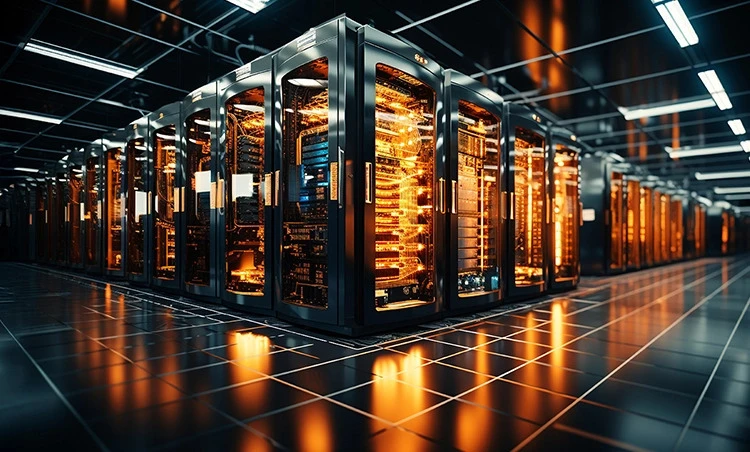
These next-generation facilities represent a fundamental shift in how we approach digital infrastructure. Modern hyper scale data centers feature advanced cooling systems, high-density server configurations, and specialised networking architectures that can accommodate the intensive computational requirements of AI workloads. The infrastructure is designed to scale seamlessly, supporting everything from machine learning training to real-time inference processing.
Key Technology Advancements Driving AI-Ready Infrastructure
Advanced Cooling Solutions for High-Density Computing
One of the most critical challenges in AI-ready hyperscale data centers is managing the tremendous heat generated by high-performance computing hardware. Traditional air-cooling systems are increasingly inadequate for the power densities required by modern AI processors. Leading data center providers are implementing innovative cooling technologies, including liquid cooling systems, immersion cooling, and precision cooling solutions that can handle power densities exceeding 50kW per rack.
These advanced cooling systems not only ensure optimal hardware performance but also significantly improve energy efficiency. By maintaining precise temperature controls, data centers can reduce their overall power consumption while extending the lifespan of critical computing equipment.
High-Performance Networking Infrastructure
AI workloads generate massive amounts of data that must be processed and transferred at unprecedented speeds. Modern hyperscale data centers are incorporating cutting-edge networking technologies, including 400G Ethernet, InfiniBand, and advanced optical networking solutions. These technologies enable ultra-low latency connections that are essential for distributed AI training and real-time inference applications.
The networking infrastructure also includes sophisticated software-defined networking (SDN) capabilities that allow for dynamic resource allocation and optimal traffic management. This flexibility is crucial for supporting the varying bandwidth requirements of different AI applications and ensuring consistent performance across diverse workloads.
GPU-Optimized Architecture
The heart of AI-ready hyperscale data centers lies in their GPU-optimized architecture. These facilities are specifically designed to accommodate the latest generations of AI accelerators, including NVIDIA's H100 and A100 series processors, as well as emerging alternatives from AMD and Intel. The infrastructure includes specialized power delivery systems, high-speed interconnects, and optimized rack configurations that maximize GPU utilization while maintaining system stability.
Modern hyperscale facilities also incorporate flexible compute architectures that can adapt to evolving AI hardware requirements. This forward-thinking approach ensures that data centers can accommodate next-generation AI processors without requiring complete infrastructure overhauls.
Sustainability and Energy Efficiency in Hyperscale Operations
Environmental sustainability has become a cornerstone of modern hyperscale data center design. AI workloads are notoriously power-hungry, making energy efficiency a critical consideration for both operational costs and environmental impact. Leading data center providers are implementing comprehensive sustainability strategies that include renewable energy sourcing, advanced power management systems, and waste heat recovery technologies.
Many hyperscale facilities are achieving Power Usage Effectiveness (PUE) ratios below 1.2, representing significant improvements over traditional data centers. This efficiency is achieved through a combination of innovative cooling technologies, intelligent power distribution systems, and optimized facility designs that minimize energy waste.
The integration of renewable energy sources, including solar, wind, and hydroelectric power, is becoming standard practice for hyperscale operations. These initiatives not only reduce operational costs but also support corporate sustainability goals and regulatory compliance requirements.
Strategic Location and Connectivity Considerations
The geographic distribution of AI-ready hyperscale data centers plays a crucial role in their effectiveness. Strategic placement near major metropolitan areas, fiber optic network hubs, and renewable energy sources optimizes both performance and operational efficiency. Leading providers are establishing hyperscale campuses in key markets across North America, Europe, and Asia-Pacific regions to ensure global reach and low-latency access.
Connectivity infrastructure is equally important, with hyperscale facilities featuring multiple fiber optic connections, diverse network paths, and direct connections to major cloud providers. This robust connectivity ensures high availability and enables seamless integration with existing IT infrastructure.
Security and Compliance in AI-Ready Environments
Security considerations for AI-ready hyperscale data centers extend beyond traditional physical and network security measures. These facilities must protect sensitive AI models, training data, and inference results while maintaining compliance with various industry regulations. Modern hyperscale data centers implement multi-layered security architectures that include biometric access controls, advanced surveillance systems, and comprehensive cybersecurity measures.
The facilities also incorporate specialized security features for AI workloads, including secure enclaves for sensitive model training, encrypted data processing capabilities, and robust access controls that protect intellectual property and sensitive customer data.
The Role of Edge Computing in Hyperscale Strategy
While centralized hyperscale data centers provide the computational power needed for AI training and development, edge computing plays an increasingly important role in AI deployment strategies. The integration of edge computing capabilities with hyperscale infrastructure creates a distributed computing model that optimizes both performance and cost-effectiveness.
This hybrid approach enables organizations to perform intensive AI training in centralized hyperscale facilities while deploying inference capabilities closer to end users through edge computing nodes. This strategy reduces latency, improves user experiences, and optimizes bandwidth utilization across the entire infrastructure.
Future Trends and Emerging Technologies
The hyperscale data center industry continues to evolve rapidly, with several emerging trends shaping the future of AI-ready infrastructure. Quantum computing integration represents a significant long-term opportunity, with hyperscale providers beginning to explore hybrid quantum-classical computing architectures that could revolutionize AI capabilities.
Artificial intelligence is also being applied to data center operations themselves, with AI-driven facility management systems optimizing cooling, power distribution, and maintenance schedules. These intelligent systems can predict equipment failures, optimize resource allocation, and improve overall operational efficiency.
The adoption of modular and prefabricated data center designs is accelerating deployment timelines and reducing construction costs. These innovative approaches enable hyperscale providers to rapidly scale their infrastructure to meet growing demand while maintaining consistent quality and performance standards.
Market Dynamics and Investment Opportunities
The global hyperscale data center market is experiencing unprecedented growth, driven by the massive investments in AI infrastructure from major technology companies. Industry analysts project that hyperscale data center capacity will triple by 2030, with AI workloads representing a significant portion of this growth.
This expansion creates substantial opportunities for infrastructure providers, technology vendors, and service providers who can deliver the specialized capabilities required for AI-ready hyperscale operations. The market is also driving innovation in supporting technologies, including advanced cooling systems, high-performance networking equipment, and specialized AI processors.
Conclusion: The Imperative for AI-Ready Infrastructure
The transition to AI-ready hyperscale data centers represents more than a technological upgrade—it's a fundamental reimagining of digital infrastructure for the AI era. Organizations that embrace this transformation will gain significant competitive advantages through improved performance, enhanced scalability, and reduced operational costs.
As artificial intelligence continues to reshape industries and create new business opportunities, the importance of purpose-built AI-ready infrastructure cannot be overstated. The hyperscale data centers of today are laying the foundation for the AI-driven innovations of tomorrow, making them essential components of any comprehensive digital transformation strategy.
The future belongs to organizations that can harness the full potential of AI technologies, and that future is being built in the hyperscale data centers that are rising to meet the unprecedented demands of the artificial intelligence revolution.
For organizations seeking to leverage AI-ready hyperscale data center capabilities, partnering with experienced infrastructure providers can accelerate digital transformation initiatives while ensuring optimal performance, security, and scalability. The investment in AI-ready infrastructure today will determine competitive positioning in the AI-driven economy of tomorrow.










Sign in to leave a comment.