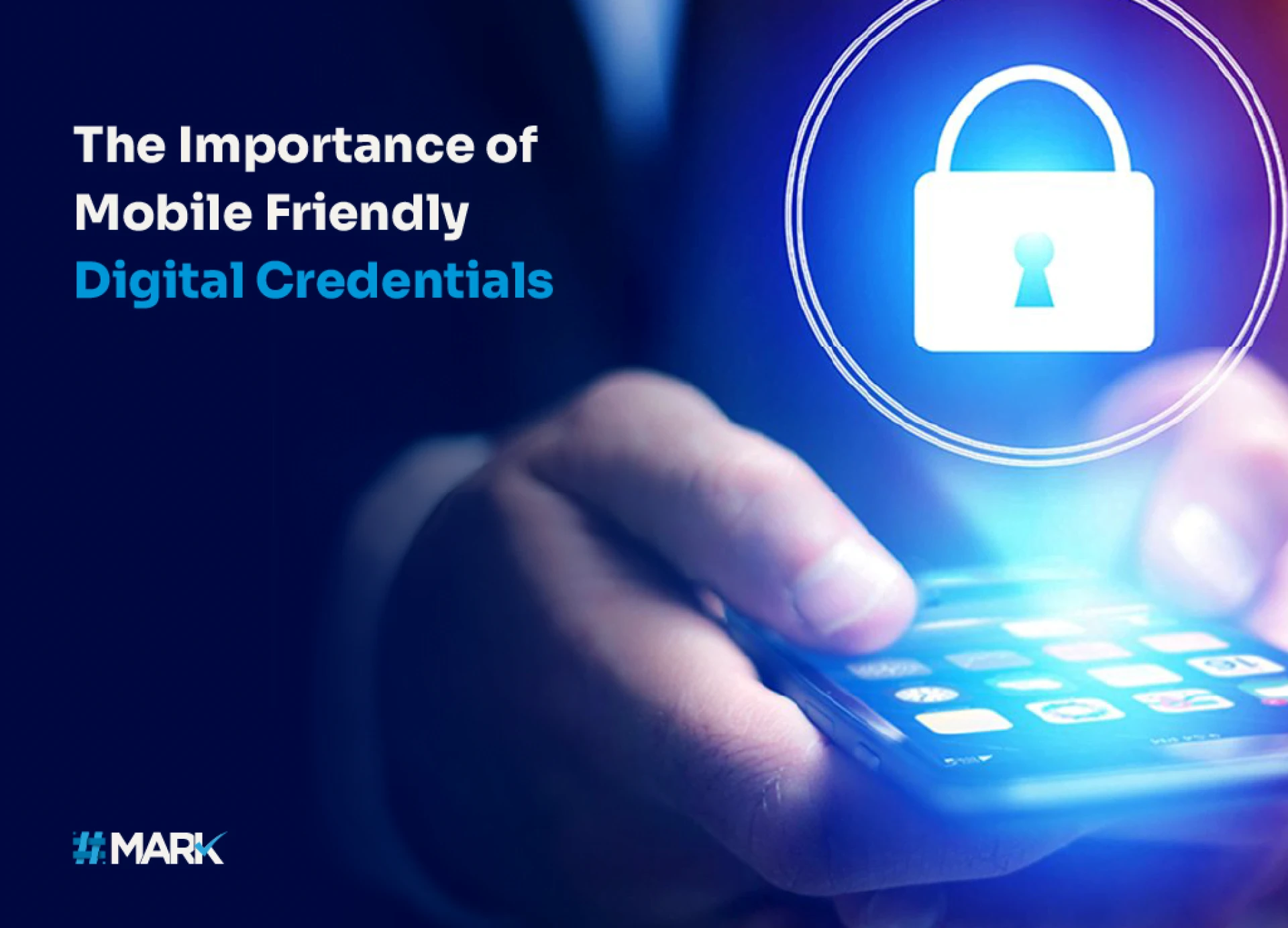

In today’s digital economy, trust is the currency that powers transactions, interactions, and engagements. As businesses, governments, and individuals increasingly rely on digital platforms for communication, commerce, and services, ensuring the integrity and security of these transactions has become paramount. This is where open standards play a crucial role, particularly in the realm of digital credential verification.
The Trust Challenge in Digital Transactions
The rapid digitization of services has created a wealth of opportunities, but it has also introduced challenges. Issues such as data breaches, identity theft, and fraud undermine the trust necessary for seamless digital interactions. Without robust mechanisms to verify and validate credentials, digital transactions are vulnerable to manipulation and misuse.
What Are Open Standards?
Open standards are publicly available specifications that enable interoperability, security, and scalability across platforms and systems. Unlike proprietary systems, open standards are designed to be accessible to all, promoting transparency and collaboration. By adhering to open standards, organizations can create systems that are compatible, secure, and future-proof.
The Role of Open Standards in Digital Credential Verification
Digital credential verification is the process of validating the authenticity of digital credentials—such as certificates, licenses, and identification documents—in a secure and efficient manner. Open standards enhance this process in several ways:
- Interoperability: Open standards ensure that digital credentials can be verified across different platforms and systems, eliminating silos and enabling seamless integration.
- Transparency: By leveraging open standards, organizations can make their verification processes more transparent, fostering trust among users and stakeholders.
- Security: Open standards are developed collaboratively by experts, ensuring that they incorporate the latest advancements in encryption and cybersecurity.
- Scalability: Open standards enable systems to scale efficiently, accommodating growing user bases and evolving technological requirements.
Benefits of Open Standards in Building Trust
1. Consistency Across Ecosystems
Open standards provide a consistent framework for digital credential verification, ensuring that all stakeholders operate under the same guidelines. This consistency reduces errors and ambiguities, enhancing trust in the verification process.
2. Fostering Innovation
By promoting collaboration, open standards drive innovation. Developers and organizations can build upon existing frameworks to create advanced solutions, further improving the reliability of digital transactions.
3. Empowering Users
Open standards empower individuals by giving them greater control over their digital credentials. Users can securely share their credentials across platforms, knowing that the verification process is transparent and trustworthy.
Real-World Applications
Open standards have been instrumental in various sectors, including:
- Education: Digital diplomas and certificates can be verified across institutions and employers, ensuring their authenticity.
- Healthcare: Patient records and credentials can be securely shared between healthcare providers, improving care coordination.
- Government Services: Citizens can use digital IDs for accessing services without compromising their personal information.
The Future of Digital Trust
As digital transactions continue to grow, the adoption of open standards will be critical in building and maintaining trust. By integrating open standards into digital credential verification processes, organizations can create ecosystems that are secure, efficient, and user-centric.
Conclusion
In the evolving landscape of digital interactions, trust is the foundation that sustains growth and innovation. Open standards provide the framework necessary for secure and reliable digital credential verification, addressing the challenges of interoperability, transparency, and security. By embracing open standards, we can build a digital future where trust is inherent, transactions are seamless, and opportunities are boundless.












Sign in to leave a comment.