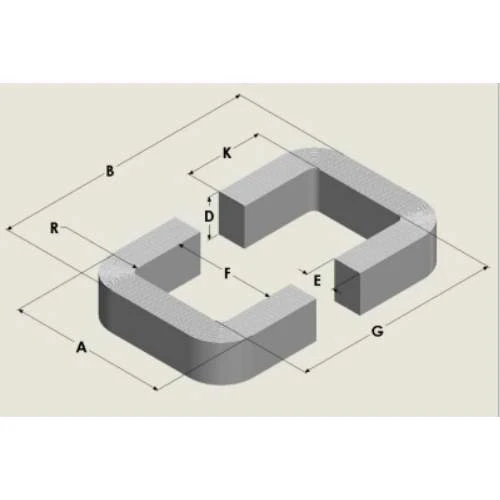

Designing magnetic circuits for power equipment means picking the right type of core. One of the most effective types is the C cores. These are widely used because they improve performance, reduce energy loss, and save space. Their shape makes the magnetic flow smoother, helps with tight coil fitting, and makes setup easier. This blog explains how C cores support better system design, improve function, and fit into builds with tight space or high load needs. Engineers rely on their design flexibility and ease of use in a wide range of magnetic assemblies, from small-scale power applications to larger, more complex electrical equipment.
Why Core Shape Matters in Design
Every magnetic circuit starts with a core. It helps guide the magnetic path and lower energy loss. The shape affects how energy moves through the system. Some core shapes have gaps or sharp corners, which can slow down the magnetic flow or cause heat buildup.
C cores are shaped in a way that keeps the magnetic path smooth. Their shape also works well with coil windings and fits into compact setups. This is especially important in environments where size, weight, and energy efficiency are all top priorities. For engineers, this structure helps reduce design limitations without compromising performance.
Small Size, Strong Output
Space is important in power gear. C cores let the wire wrap closely, which means less copper is used. This lowers resistance and helps the system stay cool. Less heat also means the parts last longer.
The flat sides of a C core help keep the magnetic field steady. This makes power transfer better and lowers noise or shaking. This matters in tools where smooth power is key. Also, smaller footprints often mean cost savings in materials and housing components, which can benefit both production and long-term maintenance budgets.
Simple Setup and Fast Repairs
C cores can be opened and closed. This makes them easier to install and change than solid-core types. In tools that need quick updates or regular service, this saves time and effort.
The shape also makes it easier to change the build if needed. Engineers can adjust the setup without changing the full design. This gives more control over how the system works under different loads or supply levels. Fewer mechanical steps during core integration also reduce downtime in the production line.
Works Well for Custom Projects
C cores come in many sizes and can be shaped to fit special jobs. This helps designers build what they need without losing performance. Whether used in power tools or control panels, they fit well around parts like wires or boards.
They also work well in both low and high-frequency tools. That means they are useful in simple and advanced gear across different fields. Their range makes them suitable for defense systems, industrial machinery, and lab instruments that require steady and efficient magnetic flow.
Cuts Down Noise and Heat
Too much heat and electrical noise can shorten the life of a system. C cores help reduce both. Their shape keeps the magnetic field inside, which lowers the chance of signal problems or faults.
This also keeps the system safer. A smooth current flow and less heat mean fewer problems. This is helpful in places where safety and control matter, like test labs or power panels. With better magnetic control, there is also less risk of power loss through stray currents or field disruption.
A Smart Pick for Modern Builds
Today’s systems need power and control. That means using parts that save space, cost less, and still work well. C cores give all these benefits. With the right setup, they improve output and keep the design neat and easy to handle.
For makers of electronic systems, this means faster builds, fewer problems, and solid results. With more tools needing exact designs, C cores help meet tough standards while staying easy to work with. Long-term, this results in systems that are easier to upgrade or repair without full teardown or redesign.
Low Core Loss for Long-Term Stability
One of the key strengths of C cores is their ability to reduce core loss. Core loss is the energy lost in the form of heat when the magnetic field changes direction. If not managed, this loss can cause higher temperatures, lower performance, and stress on system parts.
C cores are often made from high-grade grain-oriented steel, which keeps core loss to a minimum even under high load. This improves the stability of the magnetic circuit, helping the system run cooler and stay consistent over time. This also makes it easier to meet performance targets without raising power use or needing larger parts.
Last Words:
C cores help improve how circuits work. They guide energy well, reduce waste, and give engineers better options. For both power gear and control tools, they are a strong choice for tough jobs. Many engineers who work with OEM transformers choose C cores for their solid build, easy handling, and trusted results. Picking the right core helps your system run better, last longer, and stay safe.
Ready to improve your system with better magnetic design? Choose the right core from the start. Talk to trusted experts to find the C cores that fit your needs. Build better, safer systems today.










Sign in to leave a comment.