
Dal isn't just another Indian side dish, it's a 3,000-year-old superfood that's been feeding civilizations since the Bronze Age. Whether you're tracking calories for weight loss, managing blood sugar, or simply trying to understand why this humble lentil has powered India's health for millennia, knowing the exact calories in dal transforms how you eat. From the lightest moong to the richest dal makhani, each variety packs nutrition that modern science is only now beginning to fully appreciate.
Table of Content
- Calories in Dal Chawal
- How to Use Calories in Dal for Weight Management
- Benefits of Calories in Dal
- How Dal and Rice Provide Complete Amino Acids
- How Lentils Became Humanity’s First Superfood
- Calorie Estimation for Dal: Accounting for Preparation and Portions
- Cooking Methods That Increase Calories
- Plain vs. Tempered Dal Comparisons
- Creative Ways to Enjoy Dal
- Advantages and Disadvantages of Calories in Dal
- Side Effects to Monitor
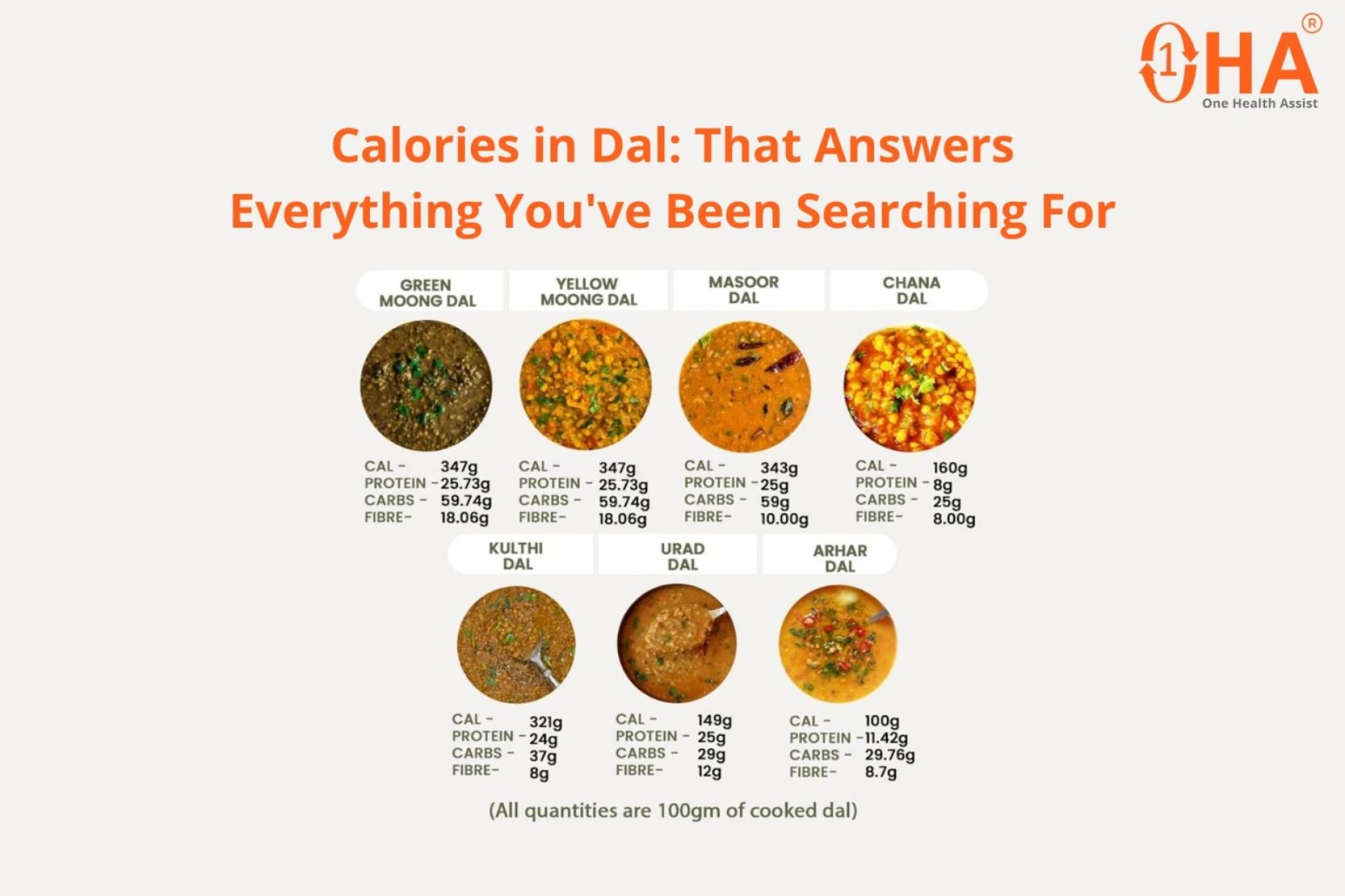
- Dal Calorie Chart by Types
- Portion Size Translation Guide
- The Dal Chawal: Complete Meal
- Cooking Method Calorie Impact
- Dal Varieties Calorie & Nutrition Comparison
- Organic Dal Collection
- Why Choose Organic Dal
- Common Questions About Dal Calories
Calories in Dal Chawal
Let's cut through the noise: You've been eating dal your entire life, but never actually measured it. You trust it's "healthy" because everyone says so, but when you search "how many calories in dal," you find conflicting numbers everywhere 50 calories per bowl? 200? 300?
According to dietary research, Indians consume approximately 50-70 grams of dal daily, yet over 70% cannot accurately estimate its caloric content. This knowledge gap is silently sabotaging fitness goals without people even realizing it. Meanwhile, dal itself remains one of the most complete, affordable protein sources on the planet if you understand how to use it strategically.
How to use Calories in Dal for Weight Management
Dal is almost nature’s built-in weight management food, a perfect balance of protein, fiber, and slow-digesting carbohydrates. It’s low in fat yet rich in nutrients, making it both filling and energizing without adding unnecessary calories.
A 100g serving of most dals provides 7–25g of protein and 4–16g of fiber two key nutrients that trigger satiety hormones like leptin and peptide YY, which help control appetite and curb overeating. These compounds keep you feeling full for hours, stabilizing blood sugar and preventing the classic post-meal energy dip that often leads to snacking.
Research consistently shows that people who include pulses or lentils regularly in their meals tend to consume fewer total calories throughout the day. The reason? Dal digests slowly, keeping energy levels steady and reducing the urge for high-sugar or processed snacks between meals.
To put it into perspective:
- Cooked dal: ~11.9g protein per 100g
- Cooked rice: ~2.7g protein per 100g
That’s a 341% protein advantage, giving dal a major edge when it comes to fat loss and lean muscle retention. The combination of high-quality plant protein and soluble fiber helps maintain muscle tone while promoting gradual, healthy weight reduction.
What are the Benefits of Calories in Dal
How Dal and Rice Provide Complete Amino Acids
Dal delivers approximately 7-9 grams of protein per 100 grams cooked. But here's the genius our ancestors discovered: when you combine dal with rice (dal chawal), you create a complete amino acid profile that matches animal protein quality. This isn't tradition it's biochemistry that took modern science centuries to validate.
The Numbers: While dal alone provides incomplete protein, the specific amino acids missing in dal are abundant in rice, and vice versa. Together, they form a protein source with a biological value comparable to eggs or meat, at a fraction of the cost and environmental impact.
Split and Hulled for Maximum Digestibility
Dal comes in three traditional forms whole (sabut), split with skin (chilka), and split without skin (dhuli). This isn't random processing hulling dal increases protein concentration and reduces fiber that can cause digestive discomfort. Ancient cooks figured out that splitting and hulling pulses makes them cook faster and digest easier, a food technology innovation that dates back to 800-300 BC.
Why It Matters: Hulled and split dal requires no soaking and cooks in 15-20 minutes versus 45+ minutes for whole lentils. The calories in one bowl of dal stay the same, but the improved digestibility means your body actually absorbs more of that nutrition.
3. Low Glycemic Index for Better Blood Sugar Control
Dal has a glycemic index of 29-45 depending on variety dramatically lower than rice (70+), bread (75+), or most modern "health bars" (60+). This means calories in yellow moong dal and other varieties release energy slowly over 3-4 hours without the blood sugar roller coaster.
Clinical Evidence: Studies show that replacing one refined carb meal daily with dal-based meals reduces post-meal glucose spikes by up to 30%. For the 100+ million Indians with diabetes or pre-diabetes, this isn't just beneficial it's potentially life-changing nutrition hiding in plain sight.
4. Weight Management With the Fiber-Protein
Calories in one bowl of dal typically range from 97-107 calories for basic preparation, yet the combination of high protein (7-9g per 100g) and dietary fiber (15-18g per cup) creates physical fullness that lasts 3-4 hours. Compare that to 150 calories of packaged snacks that leave you hungry within 60 minutes.
The Research: Dietary studies show individuals who include dal in weight loss diets lose 12-15% more weight compared to similar calorie-restricted diets without dal. The dual-action mechanism of physical fiber bulk plus protein-triggered satiety hormones explains why dal has been the original "diet food" for millennia.
5. Budget-Friendly Alternative to Supplements
While fitness enthusiasts spend ₹2,000-4,000 monthly on protein powders and multivitamins, dal provides comparable protein quality plus B-vitamins, iron, folate, magnesium, phosphorus, selenium, copper, and manganese all for ₹150-200 per kilogram. That's pharmaceutical-grade nutrition from food that's been nourishing civilizations since before recorded history.
How Lentils Became Humanity’s First Superfood
Dal isn’t new to our diets, it's ancient. Archaeological findings trace its use back over 3,000 years, making lentils one of the earliest cultivated foods in human history.
Ancient Indian texts like the Yajurveda even praised lentils as a food of “strength and prosperity.” The Sanskrit word “dal” literally means “to split,” referring to the traditional method of processing whole pulses for better digestion and nutrient absorption.
Modern nutrition science confirms what our ancestors knew instinctively: splitting and soaking lentils boosts protein availability by 20–30% and reduces digestive discomfort something even modern food technology tries to replicate today.
Calorie Estimation for Dal: Accounting for Preparation and Portions
Here's the uncomfortable truth: Most people miscalculate their dal intake by 40-60% because they don't account for preparation variables.
Consider this reality check:
Plain pressure-cooked toor dal: 107 calories per 100g
Same dal with standard tadka (1 tsp oil): 147 calories per 100g
Restaurant-style dal fry with generous ghee: 220-270 calories per 100g
That's potentially 150% more calories from the same base ingredient. Multiply this miscalculation across 2-3 meals daily, and you're unknowingly consuming 300-500 extra calories weekly enough to completely stall any weight loss plan.
The Data Gap: Dietary surveys reveal that urban Indians accurately estimate calories in packaged foods 65% of the time, but home-cooked dal-based meals only 23% of the time. This 42-point accuracy gap explains why "eating healthy" sometimes doesn't translate to expected results.
Food Processing Research: The method of dal preparation impacts not just calories but nutrient bioavailability significantly. Pressure cooking for 3-4 whistles preserves maximum nutrition and protein quality. Prolonged boiling (30+ minutes) reduces protein digestibility by 15-20%. Soaking dal for 6-8 hours before cooking reduces anti-nutrients (phytic acid) by 40-50%, dramatically improving mineral absorption. However, hulling dal the traditional Indian processing method already improves digestibility and increases protein content while reducing dietary fiber.
Cooking Methods that increase the calories
Here’s a crucial truth: how you cook dal matters more than which dal you choose.
For example:
- Plain toor dal: ~107 calories per 100g
- With tadka (ghee, oil, or cream): 300+ calories
- Fried moong dal: 511 calories per bowl
That’s a 411% increase just from added fat. Restaurant dals often use heavy tadkas with multiple tablespoons of oil, which can double or triple calories.
If you’re tracking calories, keep your tadka light 1–2 teaspoons of oil and add flavor without destroying your calorie goals.
Creative Ways to Enjoy Dal
Dal isn’t just for curry. Try these ideas:
- Besan (Chana Flour): Great for pancakes, pakoras, or chillas (356 calories/cup, 21g protein).
- Sprouted Dal Salads: Boosts vitamin C by 500%, perfect for energy.
- Idli/Dosa Batter: Made from fermented urad dal increases B vitamins by 30%.
- Palak Dal: Mixes moong or toor dal with spinach for a 100-calorie supermeal.
These dishes prove you can enjoy dal daily without repetition.
Advantages and Disadvantages of Calories in Dal
Advantages:
- Macro Balance Perfection:
- For optimal energy, muscle recovery, and sustained focus, a well-balanced nutrient ratio is essential. The ideal distribution often falls around 20–25% protein, 60–65% complex carbohydrates, and 1–2% healthy fats.
- Protein (20–25%) provides the building blocks your body needs for muscle repair, hormone production, and tissue maintenance. Good sources include eggs, lean meats, legumes, tofu, and dairy. Maintaining this range ensures steady recovery without overloading your kidneys or digestion.
- Complex Carbohydrates (60–65%) act as your body’s primary fuel source. Whole grains, oats, sweet potatoes, fruits, and vegetables supply long-lasting energy, stabilize blood sugar, and keep you mentally sharp throughout the day. These carbs also contain fiber, which improves gut health and supports nutrient absorption.
- Healthy Fats (1–2%), though minimal here, are still crucial. Even small amounts of sources like olive oil, nuts, seeds, or avocado help in vitamin absorption (A, D, E, K), hormone balance, and brain function.
- Ancient Food Technology:
- Our ancestors mastered simple yet powerful food processing methods that made everyday meals healthier and more efficient. One such technique is splitting and hulling pulses, which transforms them into what we know today as lentils or dals.
- Split and hulled varietieslike moong dal or masoor dal cook faster, absorb flavors better, and are easier to digest compared to whole pulses.
- Removing the outer husk reduces cooking time, saves fuel, and makes nutrients more bioavailable to the body. The process also lowers the fiber content slightly, making it gentler on the stomach and ideal for people recovering from illness or those with sensitive digestion.
- Regional Diversity:
- India’s culinary landscape is a living example of how food adapts to geography, climate, and culture. Across the subcontinent, there are over 50 distinct varieties of pulses and lentils, each with its own flavor, texture, and nutritional strength.
- From Toor dal in Maharashtra to Urad dal in the South, Moong in the North, and Masoor in the East, every region has developed recipes and traditions around its local crops. This diversity isn’t just about taste it reflects centuries of agricultural wisdom, where each variety suited the local soil, rainfall, and body needs.
- Each pulse offers unique health benefits:
- Moong dal cools the body and is easy to digest.
- Chana dal is protein-rich and supports strength building.
- Masoor dal boosts iron and skin health.
- Urad dal aids bone health and improves stamina.
- Together, these varieties form the nutritional backbone of Indian diets, ensuring seasonal balance, regional nutrition, and sustainable farming practices, a reminder that India’s food diversity is not random but deeply rooted in science and tradition.
- Micronutrient source:
- Pulses aren’t just a source of protein, they're packed with essential micronutrients that keep your body functioning at its best. They’re naturally rich in iron, folate, magnesium, phosphorus, selenium, and B-vitamins, making them a complete nutritional package.
- Iron helps form healthy red blood cells and prevents fatigue.
- Folate (Vitamin B9) supports brain health and is vital during growth and pregnancy.
- Magnesium aids muscle recovery, nerve balance, and energy production.
- Phosphorus contributes to strong bones and helps the body use carbohydrates and fats efficiently.
- Selenium acts as a natural antioxidant, protecting cells from damage and supporting thyroid function.
- B-vitamins like B1, B2, B6, and B12 assist in metabolism and keep your nervous system sharp.
- Together, these nutrients turn lentils and pulses into a micronutrient powerhouse that supports everything from energy levels and immunity to healthy skin and metabolism. When included regularly in your diet, they provide the kind of nourishment that no single supplement can match balanced, natural, and deeply restorative.
- Fitness-Friendly:
- Pulses are one of the few foods that fit every fitness goalwhether you’re cutting fat, building muscle, or simply maintaining a balanced physique. Their high protein content, slow-digesting complex carbs, and low fat levels make them incredibly various kinds of diets.
- For fat loss, they keep you full for longer thanks to their fiber content, helping reduce unnecessary snacking and maintain steady energy without blood sugar spikes.
- For muscle gain, their plant-based protein supports muscle repair and recovery while pairing well with rice, roti, or quinoa to form a complete amino acid profile.
- For maintenance, pulses provide balanced energy and nutrition, making it easier to sustain your body composition and metabolism over time.
- Sustainability Champion:
- Pulses aren’t just good for your body they’re a gift to the planet. Compared to animal-based protein sources, they have up to 75% lower environmental impact, making them one of the most sustainable protein options on Earth.
- Growing pulses requires far less water, land, and energy than raising livestock. They also fix nitrogen naturally in the soil, improving fertility and reducing the need for chemical fertilizers. This not only cuts down greenhouse gas emissions but also helps farmers maintain healthier soil for future crops.
Limitations:
- Even though pulses are incredibly nutritious and sustainable, they’re not flawless. Like every superfood, they come with their own set of limitations and cautions that are important to understand for balanced health.
- Incomplete Amino Acids:
- Pulses alone don’t provide all nine essential amino acids. They’re rich in lysine but low in methionine, which makes them an incomplete protein source. However, when combined with grains like rice, wheat (roti), or bread, they form a complete protein profile, delivering all the amino acids your body needs for muscle repair and overall growth.
- Gas and Bloating Risk:
- Their high fiber and oligosaccharide content can cause gas, bloating, or discomfort, especially when intake is increased suddenly. Soaking them overnight, discarding the soaked water, and cooking them well helps break down these complex sugars, making digestion easier.
- Anti-Nutrient Factor:
- Pulses contain phytic acid, a natural compound that can bind to minerals like iron, zinc, and calcium reducing their absorption. Traditional methods like soaking, sprouting, fermenting, or hulling help neutralize this effect, improving mineral bioavailability.
- Preparation Sensitivity:
- While naturally low in fat, pulses can quickly become calorie-heavy when fried, tempered excessively, or cooked with ghee, butter, or coconut milk. It’s easy to unintentionally double or triple their calorie count, so mindful preparation is key boiling, steaming, or light sautéing preserves nutrition best.
- Purine Content:
- Some varieties like urad dal and chana dal have moderate purine levels, which can elevate uric acid in sensitive individuals. Those prone to gout or joint pain should consume them in moderation and stay well-hydrated.
- Not Universally Tolerated:
- People with IBS, gut sensitivity, or legume intolerance may find certain dals difficult to digest. Starting with easily digestible types like yellow moong dal and gradually building tolerance works best.
- Side Effects to Monitor
- Even nutritious foods can cause issues if overconsumed or introduced too quickly. Keep these points in mind:
- Consuming 200g+ raw dal equivalent (around 600g cooked) daily may lead to constipation, bloating, or loose stools, depending on the body’s fiber tolerance.
- IBS sufferers should start small around 50–75g of cooked dal per mealpreferably lightly spiced and paired with ghee or cumin for easier digestion.
- Kidney patients must seek medical advice before consuming high amounts, since pulses contain potassium and phosphorus, which may need restriction.
- People with gout or high uric acid should limit dal to 100–150g per day and avoid higher-purine options like urad or chana dal.
- Always ensure proper soaking, rinsing, and cooking to reduce anti-nutrients and digestive discomfort.
Dal Calorie chart by types
Toor Dal (Pigeon Pea / Arhar)
- Calories:Plain pressure-cooked: ~107 kcal
- With basic tadka (1 tsp oil): ~147 kcal
- Restaurant-style dal fry: ~220–270 kcal
- Nutrition per 100g (cooked):
- Protein: 7.2g | Fiber: 4.5g | Carbs: 18g
- Standout Nutrients:
- 43% DV Folate, 29% Iron, 46% Magnesium
- Regional Names:
- Thuvaram paruppu (Tamil) | Thuvara parippu (Kerala) | Togari bele (Karnataka) | Kandi pappu (Telugu)
- Why It Matters:
- Known for its balanced nutrient profile and slightly nutty flavor, Toor dal is a staple in South Indian sambhar and Maharashtrian varan. Its moderate calorie count and steady energy release make it ideal for daily meals and post-work recovery without feeling heavy.
Moong Dal (Yellow Split Mung Bean)
- Calories:Plain pressure-cooked: ~97 kcal
- With tadka: ~147 kcal
- Restaurant-style: ~190–230 kcal
- Nutrition per 100g (cooked):
- Protein: 6.8g | Fiber: 4.2g | Carbs: 16g
- Standout Nutrients:
- 54% DV Thiamine (B1), 52% Iron, 53% Magnesium, 156% Folate
- Why It Matters:
- Moong dal is the lightest and easiest to digest among all lentils. It’s often used in detox, Ayurvedic, and post-illness diets because it supports digestion while delivering complete nourishment. Its low calorie and high nutrient density make it perfect for weight loss and clean eating plans.
Chana Dal (Bengal Gram / Split Chickpea)
- Calories:Plain pressure-cooked: ~97 kcal
- With tadka: ~147 kcal
- Restaurant-style: ~200–250 kcal
- Nutrition per 100g (cooked):
- Protein: 6.5g | Fiber: 5g | Carbs: 18g
- Standout Nutrients:
- 139% DV Folate, 35% Iron, 42% Copper, 110% Manganese
- Why It Matters:
- Chana dal is rich in resistant starch, which improves insulin sensitivity and supports stable blood sugar levels. It’s also the base for besan (gram flour), widely used in both savory and sweet dishes. Its slightly nutty flavor and dense texture make it a great choice for energy-packed vegetarian diets.
Masoor Dal (Red Lentil)
- Calories:Plain pressure-cooked: ~166 kcal
- With tadka: ~210 kcal
- Restaurant-style: ~270–320 kcal
- Nutrition per 100g (cooked):
- Protein: 9g | Fiber: 5.5g | Carbs: 21g
- Standout Nutrients:
- Exceptionally high in Iron, supporting red blood cell production and preventing anemia.
- Why It Matters:
- Masoor dal is the fastest-cooking lentil ready in 10–15 minutes without soaking. Its earthy flavor and quick preparation make it perfect for busy lifestyles. It’s also a favorite in North Indian and Bengali households, often used in comforting soups and curries that restore warmth and vitality.
Urad Dal (Black Gram / Black Lentil)
- Calories:Plain pressure-cooked: ~145 kcal
- With tadka: ~195 kcal
- Dal makhani style (with cream/butter): ~270–350 kcal
- Nutrition per 100g (cooked):
- Protein: 8.5g | Fiber: 4.8g | Carbs: 22g
- Standout Nutrients:
- 58% DV Iron, 75% Magnesium, 54% Phosphorus
- Cultural Significance:
- Urad dal holds a special place in Indian cuisine it’s the backbone of idli, dosa, vada, and dal makhani. Its rich, creamy texture and higher protein content make it both a comfort food and a strength-builder.
- Why It Matters:
- Slightly heavier to digest than moong or masoor, but extremely nourishing for muscle repair, stamina, and bone strength when eaten in moderation and cooked properly.
Portion Size Translation Guide
One Small Bowl/Cup (100g cooked):
- Plain dal: 97-107 calories
- With tempering (1 tsp oil): 137-147 calories
- Rich preparation: 180-220 calories
One Medium Bowl (200g cooked):
- Plain dal: 194-214 calories
- With tempering: 274-294 calories
- Rich preparation: 360-440 calories
One Large Serving (300g cooked):
- Plain dal: 291-321 calories
- With tempering: 411-441 calories
- Rich preparation: 540-660 calories
The Dal Chawal: Complete Meal
Light Meal (Weight Loss Focus):
- 1 small cup plain toor dal (100g): 107 calories
- 1 small cup white rice (100g): 87 calories
- 1 tsp ghee: 45 calories
- Total: 239 calories
- Macros: 63% carbs, 15% protein, 21% fat
- Best for: Calorie deficit, portion control
Standard Home Meal (Maintenance):
- 1 medium bowl dal with tadka (150g): 220 calories
- 1.5 cups rice (150g): 130 calories
- 1 tsp ghee: 45 calories
- Total: 395 calories
- Macros: 60% carbs, 18% protein, 22% fat
- Best for: Balanced nutrition, active lifestyle
Restaurant/Heavy Meal:
- 2 cups dal fry (200g): 440 calories
- 2 cups rice (200g): 174 calories
- Additional ghee/butter: 90 calories
- Total: 704 calories
- Macros: 58% carbs, 14% protein, 28% fat
- Reality check: Often includes hidden cream, making it 800+ calories
Cooking Method Calorie Impact
The way you cook dal can completely transform its calorie count. The base dal itself is quite light, around107 calories per 100 grams when plain pressure-cooked but each layer of oil, ghee, or cream you add can quickly change that number.
- Plain Pressure-Cooked or Boiled with Turmeric:
- The simplest and cleanest form just lentils, water, and a pinch of turmeric stays steady at about 107 calories per 100 grams. This version is ideal for weight management, detox diets, or anyone wanting pure nutrition with minimal fat.
- Light Tadka (1 teaspoon of oil):
- When you add a small tempering of oil and spices, the calorie count rises modestly to around 147 calories. This style balances flavor and health, perfect for everyday home meals.
- Standard Tadka (1.5 teaspoons oil + full spice mix):
- Slightly richer, this version lands around 167 calories per 100 grams. It’s the most common home-cooked preparation, aromatic, satisfying, yet still within a moderate calorie range.
- Heavy Tadka (ghee plus oil):
- Combining both ghee and oil can push the total to about 207–227 calories. The richness adds depth and aroma but also doubles the fat content, so it’s best reserved for special occasions.
- Dal Fry Style:
- Often cooked with onions, tomatoes, and a generous tempering, dal fry can range between 217 and 247 calories. It’s a hearty, restaurant-style comfort dish that pairs beautifully with rice or roti.
- Dal Makhani (with cream and butter):
- The indulgent version creamy, slow-cooked, and rich climbs to roughly 267–347 calories depending on the amount of cream and butter used. Delicious, but calorie-dense.
- Restaurant or Dhaba Style:
- These versions often include more oil, butter, and salt for extra flavor and shine. Expect anywhere from 287 to 357 calories per 100 grams nearly three times the calories of a plain home-cooked dal.
Dal Varieties Calorie & Nutrition Comparison
Different dal preparations also impact calories significantly:
Dal Tadka (100g serving): 119 calories
- 48% carbs, 19% protein, 33% fat
- Good source: potassium, fiber, copper, selenium, manganese, beta-carotene
- Excellent source: lutein
Dal Fry (100g serving): 104 calories
- 46% carbs, 17% protein, 37% fat
- Good source: potassium, fiber, copper, manganese, beta-carotene
- Excellent source: vitamin D, lutein
Dal Makhani (100g serving): 90 calories
- 47% carbs, 19% protein, 34% fat
- Good source: fiber, vitamin B5, copper, selenium, manganese, beta-carotene
- Excellent source: vitamin D, lutein
Palak Dal (100g serving): 85 calories
- 44% carbs, 17% protein, 39% fat
- Good source: vitamin C, D, E, copper, manganese
- Excellent source: beta-carotene, lutein
Mixed/Panchratna Dal (100g serving): 153 calories
- 44% carbs, 18% protein, 38% fat
- Good source: potassium, fiber, protein, phosphorus, magnesium, copper, manganese, thiamin, B5
- Excellent source: selenium, vitamin D
Organic Dal Collection
Fed up with over-processed, pesticide-laden dal that's lost its original nutrition and flavor? Our certified organic dal collection sources directly from traditional farms across Rajasthan, Madhya Pradesh, and Maharashtra grown using methods passed down through generations
How it is Different:
- Minimal processing: Stone-ground rather than mechanically polished, retaining the natural nutrient layer
- Zero chemicals: No pesticides, no synthetic fertilizers, no artificial polishing agents
- Heritage varieties: Traditional cultivars with naturally higher protein (2-3g more per 100g vs commercial hybrids)
- Authentic taste: The nutty, earthy flavor dal used to have before industrialization
- Complete traceability: Every batch includes farm location, harvest season, and farmer details
Complete Collection:
- Organic Yellow Moong Dal (1kg) - ₹180
- Easiest to digest, 97 cal per 100g, ideal for weight loss and recovery meals
- Organic Toor Dal (1kg) - ₹200
- Daily staple, 107 cal per 100g, perfect protein-carb balance for active lifestyles
- Organic Masoor Dal (1kg) - ₹165
- Iron-rich, 166 cal per 100g, cooks fastest (15 min), best for busy professionals
- Organic Chana Dal (1kg) - ₹195
- High fiber, 97 cal per 100g, excellent for blood sugar control and thyroid health
- Organic Urad Dal (1kg) - ₹210
- Traditional dal makhani variety, 145 cal per 100g, highest protein density
- Premium Mixed Dal (Panchratna) (500g blend) - ₹110
- Restaurant-quality five-dal mix, 153 cal per 100g, complete amino acid profile
Common Questions About Dal Calories
1. How many calories are in dal chawal?
A standard plate of dal chawal has about 239 calories, 107 from dal, 87 from rice, and 45 from ghee. The combo offers complete amino acids and sustained energy.
2. Which dal is lowest in calories?
Boiled yellow moong dal (100 cal per 100g) is the lightest option, followed by masoor dal (116 cal). Both are ideal for weight loss and easy digestion.
3. Do yellow and green moong dal have different calories?
Yes, Yellow moong dal (hulled) has ~147 calories per cup, while whole green moong has ~236. The yellow version digests faster and is lower in fiber.
4. How many calories in one cup of dal?
On average, one cup (200–240ml) of plain cooked dal contains 200–320 calories, depending on the variety and added fat.
5. Is dal good for diabetics?
Absolutely. Despite moderate calories, dal’s low glycemic index (29–38) keeps blood sugar stable. Regular consumption can lower HbA1c and improve insulin response.
6. Can I eat dal every day without gaining weight?
Yes, as long as you stick to ½–¾ cup cooked dal and go easy on ghee and oil. Dal actually helps regulate appetite and reduce snacking.
People Also Ask
1. How many calories are in 1 katori dal?
One standard katori (bowl) holds approximately 100-150 grams of cooked dal, depending on bowl size and how generously you fill it. For a typical 100-gram serving of plain boiled dal, you're consuming 97-107 calories depending on the variety. With basic tadka (tempering with 1 teaspoon oil), this increases to 137-147 calories. Restaurant-style preparation with generous ghee, butter, or cream can contain 220-270 calories per katori.
The critical variable is preparation method. Home-cooked dal with measured, minimal added fat stays in the 130-160 calorie range, while restaurant or dhaba-style dal easily doubles this due to liberal use of fats and cream that you never see being added in the kitchen.
Accuracy tip: Measure your actual katori size once with a kitchen scale. Most people discover their "one bowl" is actually 150-200 grams, not 100 grams, meaning they're consuming 50-100% more calories than estimated.
2. Is dal good for weight loss?
Absolutely dal is one of the most effective foods for sustainable weight loss. Clinical research shows three key mechanisms: high protein content (7-9g per 100g cooked) increases satiety hormones and preserves muscle during calorie deficit, high dietary fiber (15-18g per cup) creates physical stomach fullness and slows digestion for sustained energy, and low calorie density means you can eat psychologically satisfying portions without excessive calories.
Studies demonstrate that individuals who include dal in their weight loss diet lose 12-15% more weight compared to those following similar calorie-restricted diets without dal. The combination of protein and fiber reduces overall calorie intake by naturally decreasing hunger, cravings, and between-meal snacking.
For optimal weight loss results, consume 100-150g cooked dal per meal (97-160 calories), prepared with minimal oil (1 tsp or less), and pair primarily with vegetables rather than rice to keep total meal calories in the 250-350 range. The ancient combination of dal with roti or small portions of rice (rather than large rice portions) is actually brilliant weight management strategy.
3. Which dal has the lowest calories?
Moong dal and chana dal tie for lowest calories at exactly 97 calories per 100g cooked. Plain boiled masoor dal is also relatively low-calorie. However, "lowest calorie" shouldn't be your only consideration nutritional quality and digestibility matter equally, sometimes more.
Moong dal, despite tying for lowest calories, is also the easiest to digest and has excellent bioavailable protein, making it ideal for weight loss, post-workout recovery, and people with sensitive digestion. Chana dal provides more fiber (5g vs 4.2g per 100g) and has a particularly low glycemic index, making it superior for blood sugar control.
Rather than obsessing over the 10-30 calorie difference between dal varieties, focus on preparation method switching from restaurant-style to home-cooked preparation with measured oil saves 100-150 calories per serving regardless of which dal type you choose. That single change delivers far more calorie reduction than switching dal varieties.
4. Can I eat dal every day?
Yes, daily dal consumption is not only safe but recommended and has sustained healthy populations across the Indian subcontinent for over 3,000 years. Ancient religious texts including the Yajurveda and Mahayana Buddhist scriptures specifically mention dal as essential food. Daily consumption provides consistent protein for muscle maintenance, regular dietary fiber for digestive and cardiovascular health, steady slow-release energy without blood sugar spikes, and essential micronutrients including iron, folate, magnesium, phosphorus, and B-vitamins.
Recommended daily intake: 100-200 grams cooked dal (approximately 1-2 small bowls) for average adults provides optimal nutrition without digestive overload. Athletes or individuals with higher protein requirements can safely consume up to 300 grams daily.
For maximum nutritional benefit, rotate between 2-3 dal varieties throughout the week to ensure diverse nutrient intake.
Important exceptions: Individuals with elevated uric acid or gout should limit intake to 100-150g daily and avoid higher-purine varieties like urad dal and chana dal. Those with kidney disease should consult their nephrologist regarding appropriate dal intake due to potassium and phosphorus content. People with IBS should introduce dal gradually, starting with easily digestible varieties like moong dal.
5. How many calories in dal without oil?
Plain boiled or pressure-cooked dal without any added oils, ghee, or tempering contains only the base calorie count:
- Moong dal: 97 calories per 100g
- Toor dal: 107 calories per 100g
- Chana dal: 97 calories per 100g
- Masoor dal: 166 calories per 100g
- Urad dal: 145 calories per 100g
Cooking dal completely without fat is ideal for extreme calorie restriction, post-bariatric surgery diets, medical fat restriction requirements, or during digestive recovery from illness. This is the actual calorie content of the dal itself, coming purely from its protein, carbohydrates, and minimal natural fat.
However, nutritional science shows that adding a small measured amount of healthy fat (1 teaspoon ghee or oil = 40-45 calories) actually improves the absorption of fat-soluble vitamins (A, D, E, K) and enhances flavor dramatically, improving long-term dietary adherence. For most weight loss goals, the moderate 40-45 calorie increase from 1 teaspoon tempering is absolutely worth the improved palatability and nutrient absorption.
6. Does dal have more protein than chicken?
Per 100 grams cooked, chicken breast contains approximately 31 grams of protein, while dal provides 7-9 grams of protein. Chicken delivers roughly 3-4 times more protein by weight so no, dal does not have more protein than chicken when compared gram-for-gram.
However, dal's advantages extend far beyond simple protein comparison:
Cost efficiency: Dal costs approximately ₹150-200 per kilogram versus ₹300-500+ for chicken, providing quality protein at one-quarter the cost.
Fiber content: Dal provides 15-18 grams fiber per cup; chicken provides zero fiber, requiring separate vegetable consumption for digestive health.
Complete nutrition when combined: When dal is paired with rice (dal chawal), it creates a complete amino acid profile comparable to animal protein this is ancient food science that modern nutrition has validated.
Digestibility: Many individuals, particularly those with digestive sensitivities, find plant protein more comfortable to digest than animal protein.
Sustainability: Dal production has 75% lower environmental impact than chicken production, including water usage, land requirements, and greenhouse gas emissions.
For pure protein density per bite, chicken wins. For overall nutrition, economic accessibility, environmental sustainability, and cultural/dietary compatibility, dal offers unique advantages that make it equally valuable in a balanced diet.
Frequently Asked Questions
1. How many calories are in dal chawal together?
A complete dal chawal meal's total calorie content varies dramatically based on portions and preparation style:
Light meal (optimal for weight loss):
- 100g plain dal: 107 calories
- 100g rice: 87 calories
- 1 tsp ghee: 45 calories
- Total: 239 calories
- Macros: 63% carbs, 15% protein, 21% fat
Standard home meal (daily maintenance):
- 150g dal with tadka: 220 calories
- 150g rice: 130 calories
- 1 tsp ghee: 45 calories
- Total: 395 calories
- Macros: 60% carbs, 18% protein, 22% fat
Heavy restaurant meal:
- 200g dal fry (rich preparation): 440 calories
- 200g rice: 174 calories
- 2 tsp ghee/butter: 90 calories
- Total: 704 calories
- Macros: 58% carbs, 14% protein, 28% fat
For weight management, maintain a 1:1 ratio of dal to rice by weight (not volume cooked rice weighs more per cup), limit added fats to 1 measured teaspoon per meal, and increase vegetable portions to add volume and nutrition without significant calories. The ancient practice of serving dal with roti rather than large rice portions is actually excellent calorie control.
2. Is dal high in carbs or protein?
Dal is moderate in both carbohydrates and protein. Per 100g cooked dal, the typical macronutrient breakdown is:
- Carbohydrates: 60-65% of calories (16-22g) - primarily complex carbs with low glycemic impact
- Protein: 20-25% of calories (7-9g) - incomplete alone, complete when combined with grains
- Fat: 1-2% of calories (less than 1g) - minimal natural fat content
While dal contains more carbs than protein by absolute weight, these are complex carbohydrates with high fiber content, metabolically very different from refined carbs like white bread, sugar, or processed snacks. Dal's low glycemic index (29-45) means these carbs release energy slowly over 3-4 hours without spiking blood sugar.
For low-carb diets, reduce dal portion to 75-100g per meal and increase protein (eggs, paneer, chicken) and non-starchy vegetable portions to maintain satiety and nutrition. Even on low-carb approaches, completely eliminating dal removes valuable fiber, minerals, and protein that support overall health.
3. What is the best time to eat dal for weight loss?
Lunch (12 PM - 2 PM) is optimal for weight loss based on metabolic science:
- Higher metabolic rate: Your body burns calories most efficiently during midday hours
- Sustained satiety: Protein and fiber content maintains fullness through afternoon and evening, preventing high-calorie snacking between lunch and dinner
- Adequate digestion time: Allows 6-8 hours before sleep, improving sleep quality and overnight recovery
- Energy availability: Sustained energy release from low-GI carbs supports afternoon productivity and potential evening exercise without post-lunch crashes
Minimize or avoid dal at dinner if you have slow digestion, GERD, acid reflux, or tend toward evening bloating. The high fiber content that makes dal excellent for weight loss can cause discomfort when lying down soon after eating. If consuming dal at night, finish your meal at least 3 hours before bedtime to allow proper digestion.
Many successful weight management approaches in Indian culture traditionally emphasize a larger lunch with dal-rice and lighter dinner with soup or vegetables modern science now validates this ancient eating pattern for circadian rhythm optimization and metabolic health.
4. Does soaking dal reduce calories?
No, soaking dal does not reduce calorie content the calories remain essentially the same whether dal is soaked or unsoaked. However, soaking provides significant nutritional and digestive benefits that make those same calories more valuable to your body:
Benefits of soaking dal (6-8 hours or overnight in room temperature water):
- Reduces anti-nutrients: Decreases phytic acid by 40-50%, dramatically improving absorption of iron, zinc, calcium, and magnesium
- Decreases cooking time: Reduces cooking by 30-40%, preserving heat-sensitive vitamins like folate and thiamine
- Improves protein digestibility: Breaks down complex proteins and enzyme inhibitors, improving protein absorption
- Reduces gas-causing compounds: Decreases oligosaccharides that cause bloating, gas, and digestive discomfort
- Slightly increases bioavailable nutrients: Makes minerals and vitamins more accessible to your digestive system
Important note: Traditional Indian dal processing splitting and hulling already significantly improves digestibility compared to whole lentils. Split and hulled dal varieties (like toor dal, moong dal, chana dal) actually do not require soaking before cooking, which is why they became preferred varieties. This is ancient food technology that makes dal practical for daily cooking.
For optimal nutrition, soak dal in room temperature water and discard the soaking water before cooking this removes released anti-nutrients and gas-causing compounds while preserving all calories and beneficial nutrients.
5. Can diabetics eat dal daily?
Yes, dal is highly recommended for diabetics and represents one of the best carbohydrate sources for blood sugar management. Diabetes management guidelines across India specifically recommend daily dal consumption for multiple reasons:
Low glycemic index (29-45): Prevents rapid blood sugar spikes, releasing glucose slowly and steadily into the bloodstream over 3-4 hours rather than causing the dramatic peaks seen with rice, bread, or processed foods.
High dietary fiber (15-18g per cup): Slows carbohydrate absorption in the small intestine, moderating the post-meal glucose rise that damages blood vessels over time.
Protein content (7-9g per 100g): Stabilizes blood sugar levels, improves insulin sensitivity, and helps maintain healthy body composition.
Nutrient density without empty calories: Provides essential minerals including magnesium (improves insulin function), chromium (enhances glucose metabolism), and B-vitamins without the blood sugar impact of refined carbs.
Diabetic-friendly portions: Consume 100-150g cooked dal per meal, paired with high-fiber vegetables and limited rice (100g or less cooked). Moong dal and masoor dal have particularly low glycemic indices and are excellent choices for daily consumption.
Clinical evidence: Research studies show that replacing one refined carb meal daily with dal-based meals reduces HbA1c levels (3-month average blood sugar) by 0.5-0.8% over 3 months a clinically significant improvement comparable to some diabetes medications.










Sign in to leave a comment.