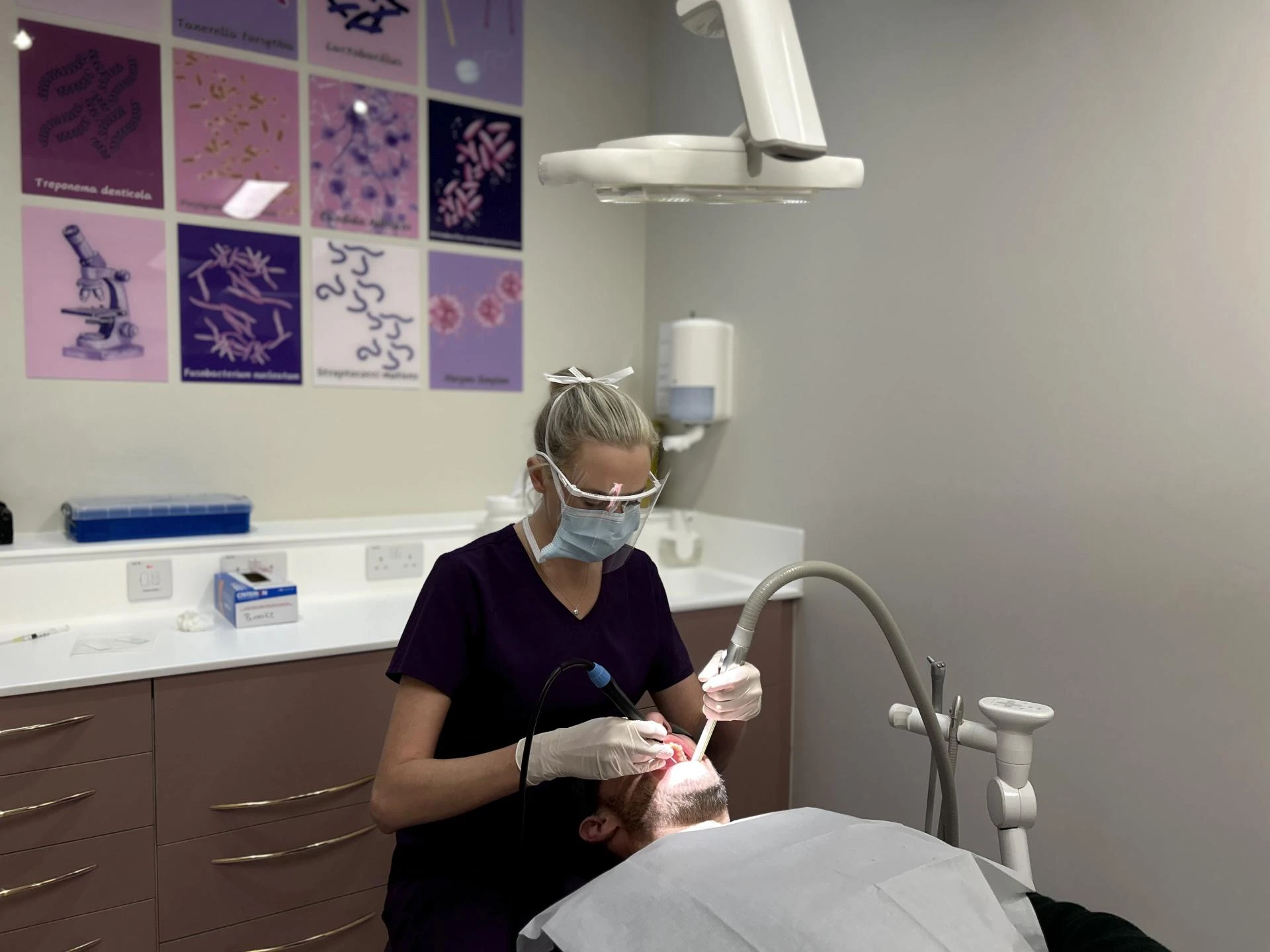

Gum health plays a vital role in protecting the teeth and maintaining a strong, confident smile. When gums start to wear away or pull back from the teeth, the condition is known as gum recession. It not only changes the appearance of the smile but can also expose the roots of teeth, making them more sensitive and vulnerable to damage. Understandably, many patients want to know how to stop gum recession and whether good oral care alone can prevent it.
By understanding the causes, recognising the early signs, and maintaining a proper routine, patients can reduce their risk and protect their overall dental health.
What Is Gum Recession?
Gum recession occurs when the gum tissue surrounding the teeth begins to shrink, exposing more of the tooth surface and sometimes the root. Unlike cavities or infections that are often painful in the early stages, gum recession can develop gradually without obvious discomfort. This makes it particularly important to stay alert to the signs, which may include:
- Teeth appearing longer than usual
- Noticeable gaps forming near the gum line
- Increased sensitivity to hot, cold, or sweet foods
- Occasional bleeding during brushing or flossing
If left untreated, gum recession may contribute to tooth damage and eventually tooth loss, which is why early attention is so important.
Causes of Gum Recession
A number of factors can lead to gum recession, and often several combine over time. Some of the most common causes include:
- Poor oral hygiene – Inadequate brushing and flossing can allow plaque to build up, irritating gums and leading to disease.
- Aggressive brushing – Brushing too hard or using a hard-bristled toothbrush can wear away gum tissue.
- Periodontal disease – Gum infections caused by bacteria are a major factor in gum tissue loss.
- Teeth grinding – Excessive grinding or clenching can place pressure on gums and supporting bone.
- Misaligned teeth – Uneven bite forces may contribute to gum damage in certain areas.
- Smoking – Tobacco use is known to increase the risk of gum disease and tissue breakdown.
By identifying the causes, patients can work with their dentist to make changes and reduce the risk of ongoing damage.
Can Good Oral Care Prevent Gum Recession?
The simple answer is that good oral care can make a significant difference in protecting gums. While it may not reverse recession that has already occurred, maintaining a healthy routine can reduce the risk of it developing in the first place and slow down progression. For anyone wondering how to stop gum recession, focusing on daily habits is the best starting point.
Effective steps include:
- Brushing twice daily with a soft-bristled toothbrush to clean without damaging gum tissue
- Using fluoride toothpaste to strengthen teeth and support overall oral health
- Flossing once a day to remove plaque and debris between teeth where brushing cannot reach
- Rinsing with an antibacterial mouthwash to help keep gums healthy
- Scheduling regular dental check-ups so that any early signs of gum problems can be spotted quickly
These practices not only support gum health but also maintain the teeth and mouth as a whole.
Professional Support for Gum Health
Even with excellent home care, regular visits to the dentist and hygienist remain essential. Professional cleaning removes hardened deposits that cannot be managed with brushing and flossing alone. This reduces the risk of gum disease, which is one of the leading causes of gum recession.
In some cases, patients may also benefit from tailored advice on brushing technique, guidance on managing habits such as teeth grinding, or treatment for existing gum disease. Early intervention can prevent minor issues from developing into more serious conditions.
The Role of Lifestyle Choices
Beyond brushing and flossing, lifestyle choices also play a major role in gum health. Stopping smoking, eating a balanced diet, and limiting sugary foods all contribute to healthier gums. Staying hydrated helps maintain saliva flow, which naturally protects against bacteria.
Stress management is another factor to consider, as clenching or grinding teeth under pressure can gradually damage both teeth and gums.
By combining a strong daily routine with positive lifestyle habits, patients can greatly reduce the risk of gum problems over the long term.
When to Seek Help
Anyone who notices changes in their gums should book a dental appointment without delay. Even small signs such as occasional bleeding or slight sensitivity can be early indicators of a problem. The sooner a dentist assesses the issue, the easier it is to manage and treat.
Patients should also be mindful that gum recession is a gradual process. Without professional support, it can continue unnoticed until more advanced symptoms appear. Regular check-ups are therefore the most reliable way to ensure gums remain healthy.
Lasting Oral Health and Confidence
Protecting the gums is about more than just avoiding discomfort, it is about maintaining a complete and confident smile. Strong, healthy gums provide the foundation for teeth, supporting them throughout life. With the right care, patients can enjoy better oral health and reduce the likelihood of gum recession developing in the first place.
At Optimal Dental Health, patients are supported with expert advice, professional care, and treatments designed to keep gums in excellent condition. With a focus on prevention and long-term wellbeing, the practice helps individuals protect their smile and manage every aspect of oral health with confidence.










Sign in to leave a comment.