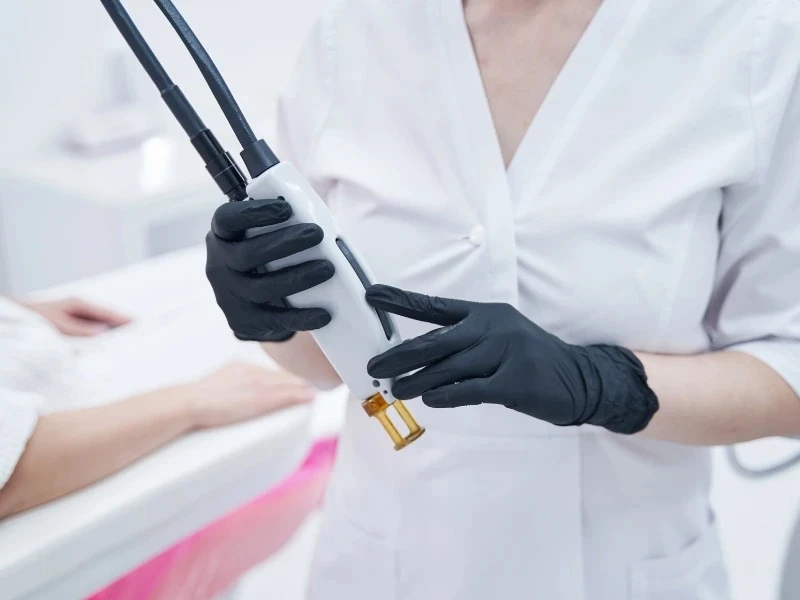

Can Laser Hair Removal Cause Cancer? This concern often arises because the word “laser” sounds intimidating. However, from a medical standpoint, laser hair removal is considered a safe and non-invasive cosmetic treatment with no proven link to cancer.
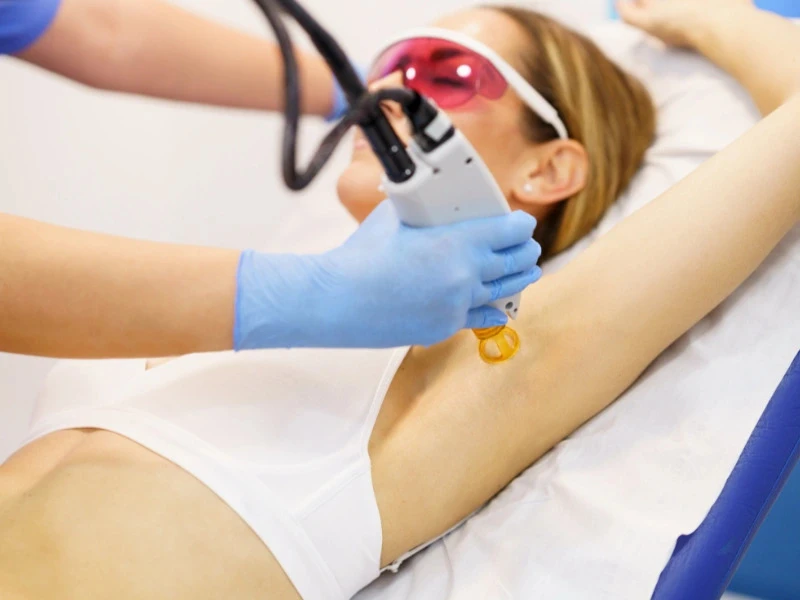
Laser hair removal works by emitting non-ionizing light that targets melanin in hair follicles. The light converts to heat and damages the follicle to reduce hair growth. Because non-ionizing radiation does not damage DNA, it cannot cause cancer or genetic mutations.
The confusion often comes from comparing lasers to UV radiation. UV rays are known to increase skin cancer risk, but laser hair removal does not emit UV light and does not penetrate deeply into the skin.
The FDA has approved laser hair removal devices after years of testing and clinical evaluation. Research spanning decades confirms that laser hair removal does not increase the risk of skin cancer or other serious health conditions.
Mild side effects such as redness or swelling may occur but usually resolve quickly. When performed by licensed professionals, complications are extremely rare.
Laser hair removal offers long-term benefits compared to traditional hair removal methods and remains one of the safest cosmetic procedures available today. For trusted care and advanced treatments, Yana Skin Care prioritizes safety, precision, and proven results.











Sign in to leave a comment.