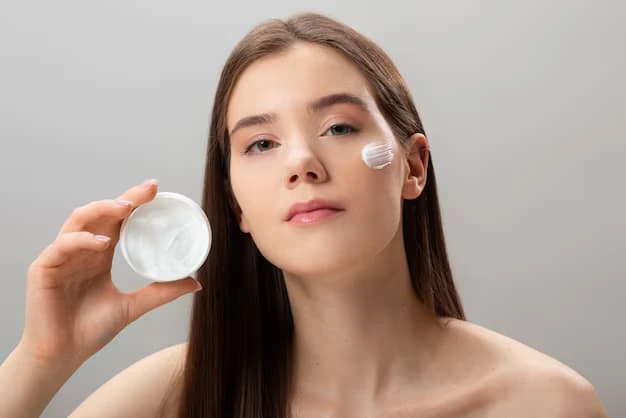

Melasma is a common skin condition that primarily affects women, characterized by dark, discolored patches typically found on the face. While the precise cause of melasma remains uncertain, factors such as sun exposure, hormonal changes, and genetics are known to play significant roles. Many individuals suffering from melasma look for effective solutions, leading to the question: Can you get rid of melasma with creams? This UK skincare guide delves into the various creams available, their effectiveness, and additional strategies for managing this condition.
Understanding Melasma and Its Causes
To comprehend how creams may help in treating melasma, it's essential to first understand the condition itself. Melasma manifests as symmetrical brown or gray-brown patches on sun-exposed areas of the skin, most notably the cheeks, forehead, nose, and upper lip. While anyone can develop melasma, it is more prevalent among women, particularly those with darker skin tones.
The primary triggers of melasma include exposure to ultraviolet (UV) light, which stimulates melanocyte cells in the skin to produce excess melanin. Hormonal fluctuations, especially during pregnancy or with the use of oral contraceptives, also contribute significantly to melasma's onset. Stress and certain medications may exacerbate the condition, making it essential for individuals to adopt a multi-faceted approach when considering treatment options.
The Role of Creams in Treating Melasma
When exploring the question of whether creams can effectively eliminate melasma, it is important to consider the various ingredients that are commonly found in these products. Several topical agents have shown promise in reducing hyperpigmentation associated with melasma. Here are some of the most effective components:
Hydroquinone
Hydroquinone is one of the most widely used topical agents for treating melasma. This skin-lightening agent works by inhibiting melanin production in the skin, effectively lightening dark patches over time. In the UK, hydroquinone is often available through prescription, as it can cause side effects such as skin irritation and should be used under medical supervision. Users are advised to apply it consistently, typically twice daily, for optimal results.
Tretinoin
Another effective component in melasma creams is tretinoin, a derivative of vitamin A. Tretinoin promotes skin cell turnover, helping to shed dead skin cells and prevent clogged pores. By encouraging the growth of new, healthier skin, tretinoin can effectively reduce the appearance of dark patches associated with melasma. This ingredient is often combined with hydroquinone for enhanced effectiveness.
Azelaic Acid
Azelaic acid is a lesser-known yet powerful ingredient that has garnered attention in recent years for its efficacy against melasma. This dicarboxylic acid not only inhibits melanin production but also possesses anti-inflammatory properties, making it suitable for individuals with sensitive skin. Azelaic acid can be found in both prescription and over-the-counter formulations, providing flexibility for users seeking to incorporate it into their skincare routine.
Vitamin C
Vitamin C is celebrated for its antioxidant properties and its ability to brighten the skin. When used in conjunction with other melasma treatments, vitamin C can help to enhance results by providing a natural glow while reducing pigmentation. As a result, many Melasma Cream in UK now include vitamin C as a key ingredient, offering users a comprehensive approach to managing the condition.
The Importance of Sun Protection
While creams can certainly help reduce the appearance of melasma, they are most effective when combined with diligent sun protection. UV rays can exacerbate melasma, making it crucial for individuals to use broad-spectrum sunscreen every day, even during cloudy weather. In the UK, dermatologists recommend using a sunscreen with at least SPF 30, applying it generously to all exposed areas of the skin. Additionally, wearing protective clothing, hats, and seeking shade during peak sunlight hours can further mitigate the risk of worsening melasma.
The Role of Lifestyle Choices
Beyond topical treatments and sun protection, various lifestyle choices can influence the management of melasma. For instance, maintaining a balanced diet rich in antioxidants, vitamins, and minerals can support overall skin health. Foods such as leafy greens, berries, and fatty fish are known to promote a radiant complexion.
Moreover, managing stress through relaxation techniques like yoga or meditation can contribute to hormonal balance, potentially reducing melasma flare-ups. It's essential to recognize that melasma is not just a cosmetic concern; it affects individuals emotionally and psychologically. Seeking support from friends, family, or professionals can be beneficial in coping with the condition.
Professional Treatments for Melasma
In some cases, individuals may find that over-the-counter creams are not sufficient to manage their melasma. For those seeking more aggressive treatments, consulting a dermatologist is highly recommended. Professionals may offer various options, including chemical peels, laser therapy, or microdermabrasion, which can help target deeper layers of skin and provide more significant improvements.
Each treatment comes with its considerations, such as potential side effects and downtime, which should be carefully weighed against the expected outcomes. A dermatologist can provide tailored recommendations based on the individual's skin type, melasma severity, and overall health.
Conclusion
In conclusion, while it is possible to manage and significantly reduce the appearance of melasma with creams, it is essential to adopt a holistic approach that includes sun protection, lifestyle adjustments, and, in some cases, professional treatments. Key ingredients such as hydroquinone, tretinoin, azelaic acid, and vitamin C can play crucial roles in addressing hyperpigmentation, but consistency and patience are vital for achieving desired results.
For those seeking effective melasma solutions, MiQuest offers a range of specially formulated products designed to target skin pigmentation. Don't let melasma hold you back any longer; take the first step towards a brighter complexion today with MiQuest.
Sign in to leave a comment.