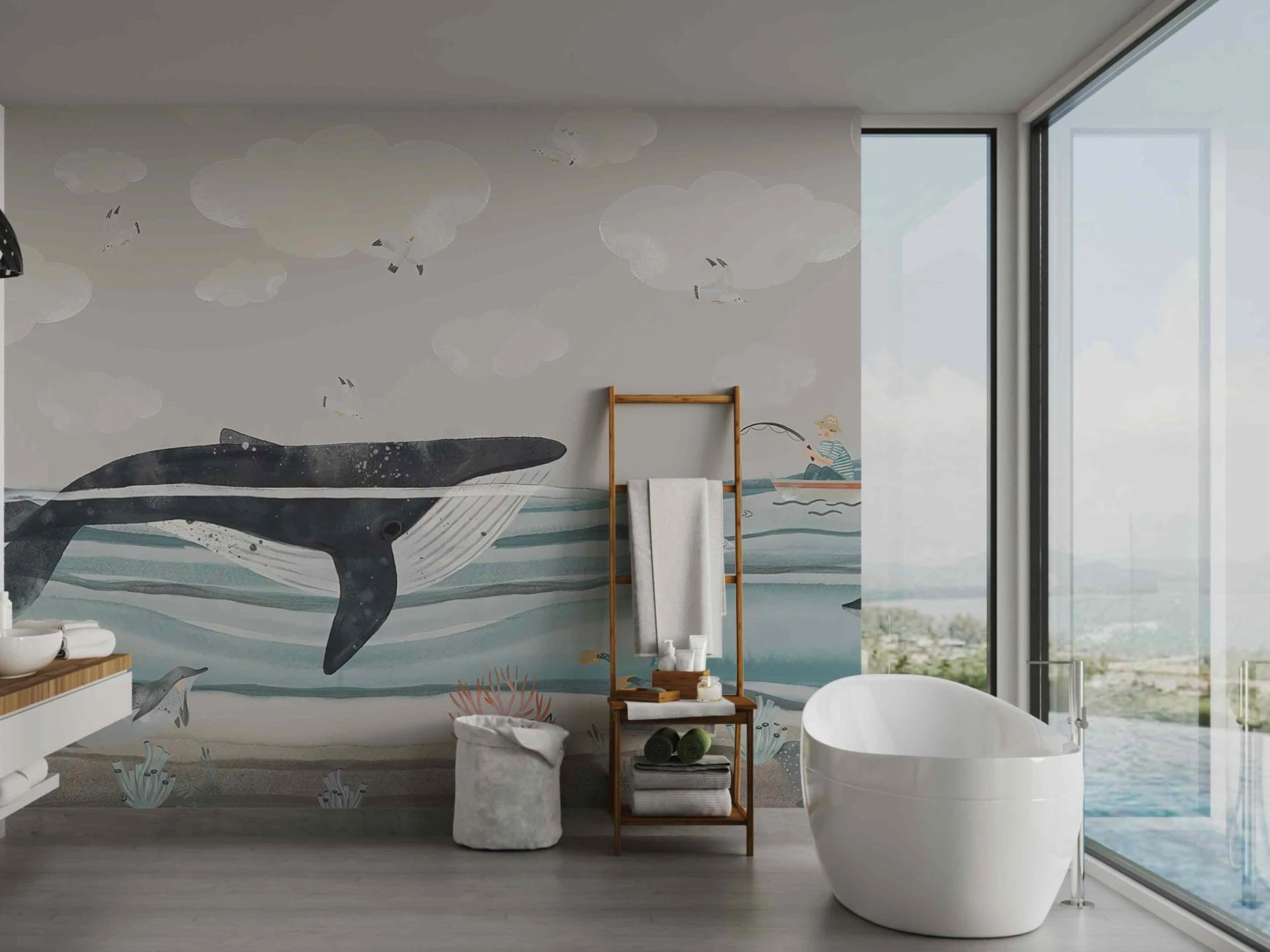

The Peel and Stick Dream: Can It Handle Textured Walls?
The rise of peel & stick wallpaper has been a revolution for interior design enthusiasts, especially those renting their homes. This rental friendly wallpaper offers a commitment-free way to inject personality and style into a space. Unlike traditional wallpaper, this temporary wallpaper is designed to be easily removed without damaging the surface underneath. The promise of an easy to install wallpaper that is both beautiful and transient is alluring.
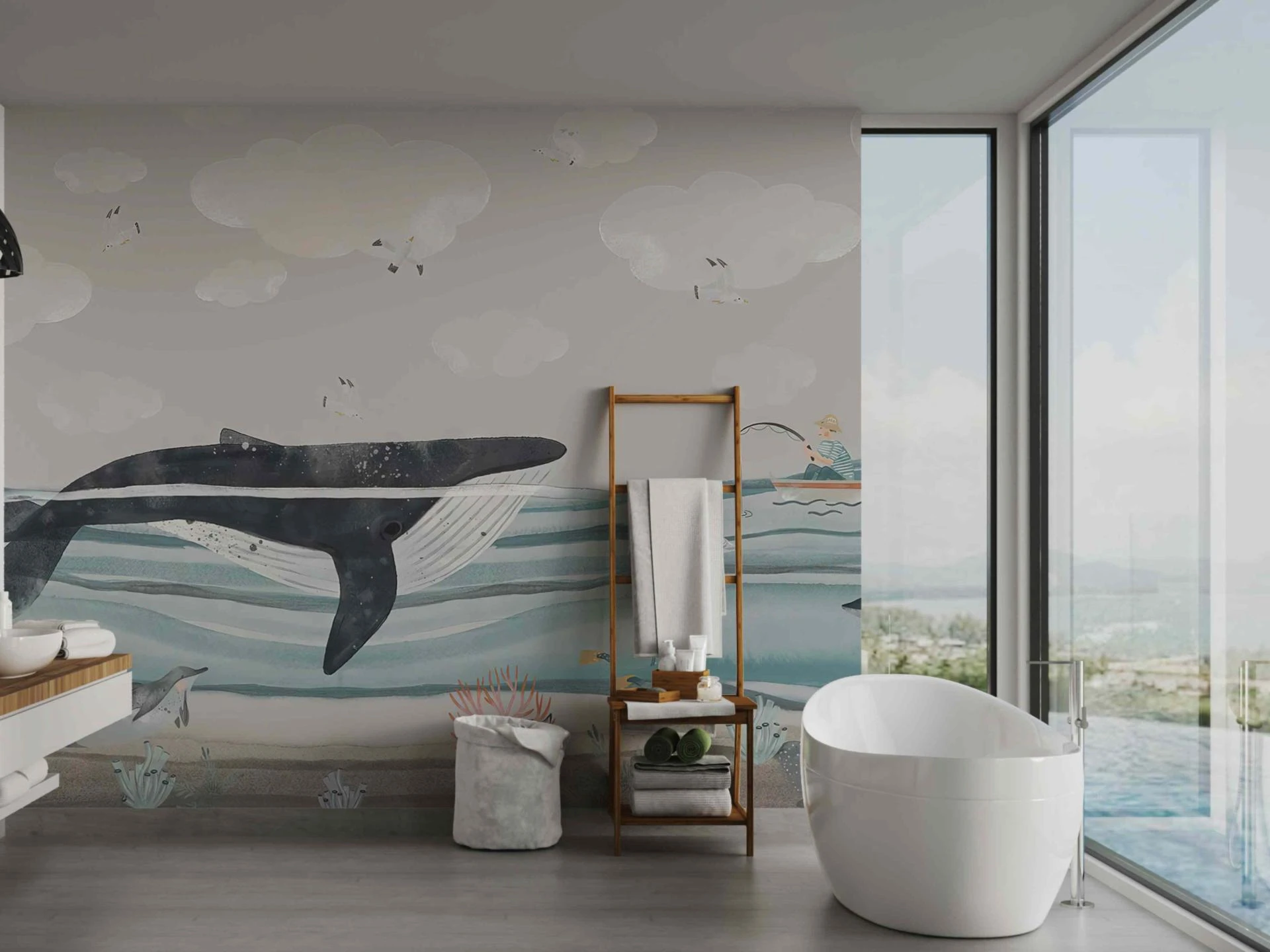
But for many, a significant obstacle stands in the way: textured walls. That common orange peel, knockdown, or even more pronounced texture found in many modern homes and apartments can feel like a deal-breaker. So, can you really use this innovative peel and stick wall covering on a surface that isn’t perfectly smooth? The answer is a hopeful "yes, but" that requires careful consideration and preparation.
The Challenge: Adhesion and Aesthetics
The core issue with applying any self adhesive wallpaper to a textured surface lies in the physics of its grip. Sticky wallpaper is designed with a uniform layer of adhesive that requires maximum surface area contact to bond properly. Textured walls, by their very nature, reduce this contact area.
- Adhesion Problems: The peaks of the texture are the only points where the wallpaper makes a firm connection. The valleys and crevices create tiny pockets of air, preventing a full bond. Over time, this weak adhesion can cause the peel off wallpaper to lift at the seams, bubble, or even fall off completely.
- Aesthetic Issues: Even if the wallpaper sticks, the texture underneath can "telegraph" through the material. This means the bumps and dimples of the wall will be visible on the surface of your wallpaper, disrupting the pattern and creating an unprofessional, uneven look. This is particularly noticeable with thin or glossy wallpapers.
A Blueprint for Success on Lightly Textured Walls
While heavily textured walls like deep stucco or popcorn are generally unsuitable, you can achieve excellent results on light textures, such as the common "orange peel" finish. Success hinges on choosing the right product and meticulous preparation.
1. Test, Don't Guess: Before you invest in enough peelable mural wallpaper for an entire room, buy a single roll or a large sample. Apply a significant piece (at least 2x3 feet) in an inconspicuous area. Leave it up for several days to see how it holds. Check for peeling edges and visible bubbling. This is the single most important step.
2. Choose Your Wallpaper Wisely: Not all sticker wallpaper is created equal. For textured walls, your choice is critical.
- Go Thick: High-quality, thicker vinyl wallpaper is far more forgiving than thin, cheap options. The extra thickness helps mask the minor imperfections of the wall beneath.
- Embrace Pattern: Busy, complex, or organic patterns are your best friend. Designs with lots of visual elements, like florals, abstracts, or faux-grasscloth, are brilliant at hiding underlying texture. Solid colors and precise geometric patterns, on the other hand, will highlight every single bump.
- Pick a Matte Finish: Glossy or metallic finishes reflect light, which accentuates imperfections. A matte or flat finish will absorb light, making the texture less noticeable. You can find many styles of affordable peel and stick wallpaper that meet these criteria.
3. Meticulous Wall Preparation: Proper prep is non-negotiable. Clean the wall thoroughly with a TSP (trisodium phosphate) substitute or a simple solution of isopropyl alcohol and water to remove any dust, grime, or oils. Allow the wall to dry completely for at least 24 hours before applying your stick and peel wallpaper. A clean, dry surface gives the adhesive the best possible chance to bond securely.
By following these guidelines, you can confidently use peel and stick wallpaper for textured walls, transforming your space without the risk and permanence of traditional methods. It remains a fantastic, wallpaper removable solution for renters and homeowners alike, proving that even imperfect walls can become the perfect backdrop for your style.










Sign in to leave a comment.