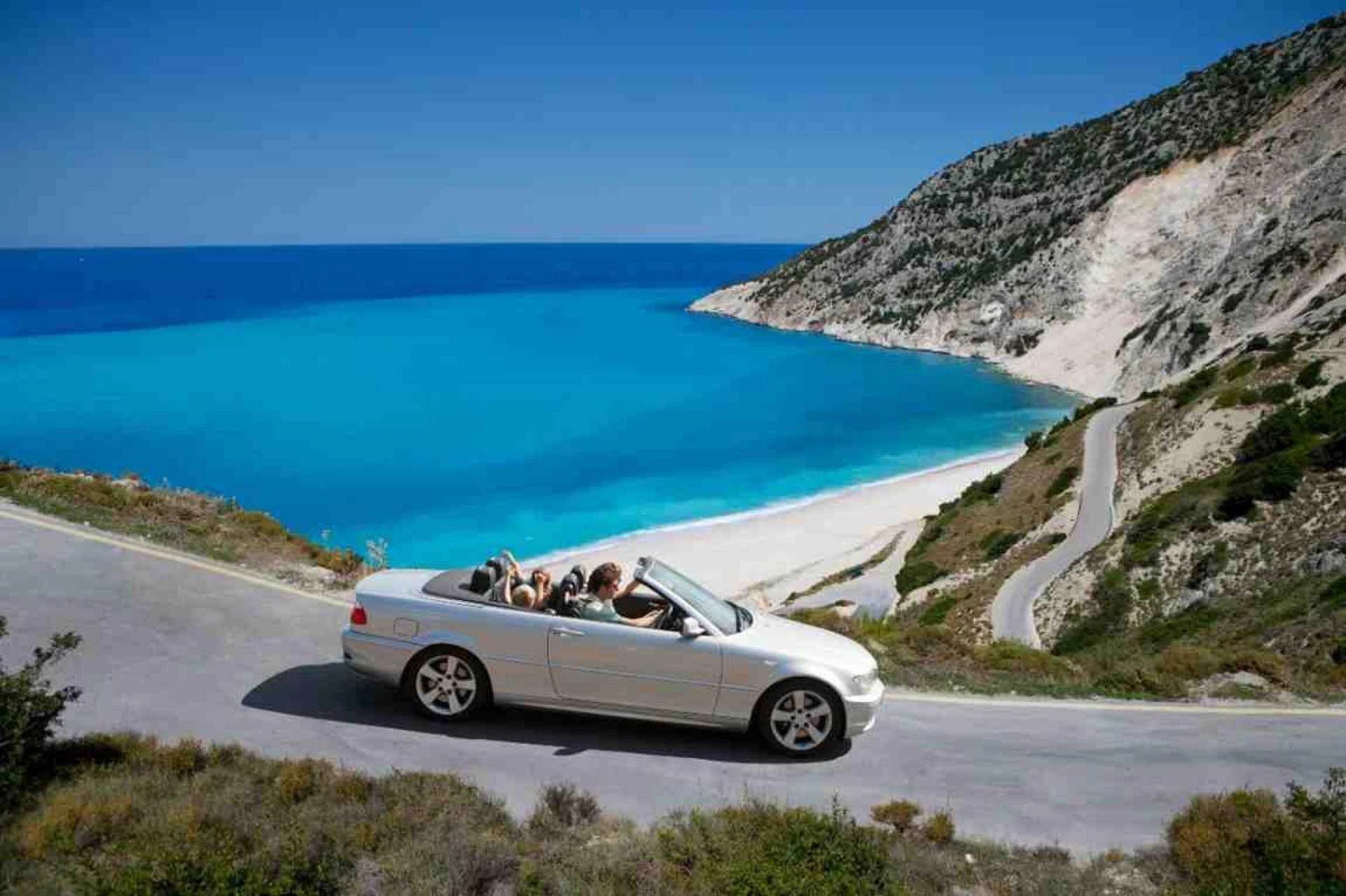

For years, renting a car was considered an essential part of traveling through Greece. Guidebooks often suggested that driving was the only way to reach remote villages, coastal viewpoints, and lesser-known beaches. However, travel habits are changing. In 2026, many visitors are discovering that Greece can be explored comfortably without ever getting behind the wheel.
With an extensive ferry network, reliable buses, growing rail connections, and walkable historic centers, Greece offers plenty of ways to move between destinations without the stress of navigating unfamiliar roads. For travelers who prefer simplicity, sustainability, and a slower pace, car-free travel across the country is not only possible but often surprisingly enjoyable.
The Power of Greece’s Ferry Network
Perhaps the most iconic form of transportation in Greece is the ferry. The country’s vast archipelago is connected by an intricate system of routes linking the mainland with hundreds of islands. For travelers exploring the Cyclades, the Dodecanese, or the Ionian Islands, ferries serve as the backbone of island hopping.
Modern ferries range from high-speed catamarans to larger vessels with outdoor decks and comfortable lounges. The journey itself often becomes part of the travel experience. Watching the Aegean Sea stretch across the horizon, passing rocky coastlines and whitewashed villages, offers a scenic transition between destinations.
Routes from Athens’ port of Piraeus connect travelers to many popular islands, including Naxos, Milos, and Paros. Other regional ports also provide direct access to nearby islands, making it possible to design flexible travel routes without needing a car.
Because ferries operate regularly throughout the warmer months, planning multi-island trips becomes manageable even for first-time visitors.
Buses: The Hidden Backbone of Mainland Travel
While ferries dominate island transportation, buses play a crucial role across mainland Greece and within many islands themselves. The national bus system connects cities, towns, and villages with remarkable efficiency.
On the mainland, long-distance buses link major destinations such as Athens, Thessaloniki, Delphi, and Meteora. These routes are affordable, comfortable, and often faster than driving due to dedicated highway lanes.
On the islands, local bus networks allow travelers to reach beaches, archaeological sites, and mountain villages without needing a rental car. Islands including Naxos, Crete, and Corfu operate reliable bus schedules during the travel season, with routes designed specifically for visitors exploring the coastline.
For travelers who prefer relaxed itineraries, buses provide a practical solution. They eliminate concerns about parking, unfamiliar road conditions, and navigating narrow village streets.
Greece’s Rail Network: A Growing Alternative
Although Greece’s rail network is smaller than those in other European countries, it remains a useful option for certain routes. Trains connect Athens to northern cities, including Thessaloniki and Larissa, offering comfortable seating and scenic countryside views.
For travelers interested in cultural landmarks, rail journeys can simplify visits to destinations such as Meteora. After arriving by train, local buses or short taxi rides can complete the final leg of the journey.
The train experience also adds a slower rhythm to travel. Instead of rushing through airports or navigating highways, passengers can watch olive groves, hillsides, and small towns pass by the window.
As infrastructure continues to develop, rail travel is becoming a more appealing choice for visitors who prefer environmentally conscious transportation.
Walkable Cities and Island Towns
Another reason car-free travel works well in Greece is the layout of its towns and cities. Many historic centers were built long before automobiles existed, meaning they were designed for pedestrians.
In Athens, neighborhoods such as Plaka, Monastiraki, and Koukaki are best explored on foot. Narrow streets, shaded squares, and hidden cafés reveal themselves naturally through wandering.
Island towns follow a similar pattern. Chora villages throughout the Cyclades are often filled with winding alleyways and staircases where cars cannot enter. Walking becomes the primary way to experience the local atmosphere.
Even beaches are frequently accessible by short walks from village centers. This pedestrian-friendly design encourages travelers to slow down and engage with their surroundings.
Planning a Car-Free Greek Itinerary
A successful car-free journey in Greece relies on thoughtful planning rather than complicated logistics. Travelers often start in Athens, exploring historical landmarks and nearby coastal neighborhoods before continuing to the islands by ferry.
From there, choosing one or two islands with strong local bus networks can simplify daily exploration. Islands such as Naxos or Crete allow visitors to combine beaches, villages, and cultural sites using public transport.
Allowing extra time between destinations also reduces travel stress. Instead of rushing from place to place, spending several days in each location allows visitors to experience daily rhythms and discover hidden corners that short visits might miss.
Access to digital tools can also make navigation easier. Travelers frequently rely on maps, ferry schedules, and reservation systems while moving between destinations. Many now choose a Greece eSIM to maintain connectivity throughout the trip. Voye Global provides this option, allowing visitors to stay connected across cities, islands, and ferry ports without searching for local SIM cards or relying on unstable public Wi-Fi.
The Advantages of Traveling Without a Car
Choosing not to drive in Greece offers several benefits beyond convenience. For one, it reduces travel stress. Greek roads, particularly on smaller islands, can be narrow and winding, and parking in busy areas can be challenging.
Car-free travel also supports more sustainable tourism. Ferries, trains, and buses reduce the environmental impact of travel while encouraging visitors to experience destinations more thoughtfully.
Perhaps the greatest advantage, however, is the freedom to focus on the journey itself. Without the responsibility of driving, travelers can enjoy the scenery, interact with locals, and appreciate the unique character of each destination.
A Different Way to Experience Greece
Exploring Greece without a car might once have seemed impractical, but today it reflects a broader shift toward simpler, more intentional travel. Ferries connect island communities, buses link towns and landmarks, and walkable streets invite spontaneous discovery.
Instead of focusing on navigation and parking, travelers can focus on what makes Greece unforgettable: ancient ruins glowing in the evening sun, seaside tavernas serving freshly prepared meals, and the quiet beauty of villages perched above the sea.
For those willing to embrace a slower pace, car-free travel offers a refreshing perspective on one of Europe’s most beloved destinations - proving that the best journeys sometimes begin by leaving the car behind.












Sign in to leave a comment.