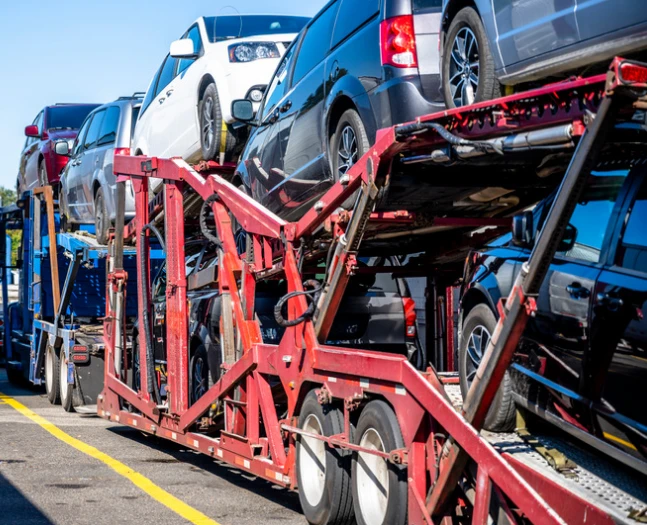

When shipping a car, many factors affect its safety, and one of the most overlooked is its location on the carrier. A top load car transport is widely regarded as the safer option for shipping vehicles compared to lower deck placement. But why is that? Let’s dive into the top five reasons why choosing top load transport is the smarter, safer choice for your car.
1. Reduced Exposure to Road Debris
Did you know that nearly 85% of vehicle damage during shipping occurs due to road debris? When a car is placed on the lower deck of an open carrier, it is directly in the line of fire for dirt, rocks, and other road particles kicked up by vehicles ahead. In contrast, top load car transport keeps your car elevated, reducing its exposure to these elements. This significantly lowers the risk of chips, scratches, and other external damage.
Additionally, dust and grime accumulation can dull the car’s paint job, potentially leading to costly detailing or repainting. By choosing top load transport, your car arrives at its destination cleaner and in better condition.
2. Lower Risk of Fluid Leaks from Other Vehicles
Automobiles, especially used ones, can leak fluids such as oil, coolant, and transmission fluid. When your car is positioned on the lower deck, it’s susceptible to leaks from the cars above, which can cause stains, paint damage, or even mechanical issues. Top load car transport eliminates this risk, ensuring that no unwanted fluids drip onto your vehicle.
This factor is particularly crucial for convertible or soft-top vehicles, as fluid leaks can damage the interior or fabric roof. If you own a luxury convertible or a classic car, top load placement provides an extra layer of security.
3. Enhanced Protection from Weather Elements
Rain, snow, and even intense sun exposure can negatively impact a vehicle during transit. On the lower deck, cars are more exposed to road spray, which may include dirty rainwater or salt from winter roads—both of which can lead to rust and corrosion over time. Studies show that vehicles exposed to winter road salt are 20 times more likely to develop rust-related issues. With top load car transport, your vehicle is less likely to be impacted by these environmental hazards.
Furthermore, extreme heat can damage a car’s paint and rubber components, while snow and ice can cause freezing in critical engine parts. Vehicles placed on the upper deck are better protected from water accumulation and temperature-related issues, reducing the risk of long-term damage.
4. Minimized Risk of Loading and Unloading Damage
Loading and unloading are two of the riskiest moments in the car shipping process. Cars on the bottom deck are often the first to be removed, meaning they experience more movement during the transport process. Statistics show that 70% of transport-related vehicle damages occur due to improper loading or unloading. By opting for a top load car transport, your car remains in place longer, experiencing fewer chances of accidental bumps or scrapes.
Furthermore, the lower deck may require steeper inclines during loading and unloading, which can be problematic for vehicles with low ground clearance. A smoother transition to and from the carrier ensures fewer risks for sports cars, luxury sedans, and classic models.
5. A Preferred Choice for High-End and Classic Cars
Luxury and classic car owners frequently choose top load car transport for an extra layer of protection. Since high-end vehicles often have lower ground clearance, loading them onto the lower deck poses additional risks of scraping or damage. Furthermore, research indicates that over 60% of exotic car owners request top load placement due to its superior safety benefits. If top-tier car collectors trust top load transport, it’s a good indication that it’s a smarter choice for any vehicle.
Classic car collectors and exotic car dealerships often insist on top load transport due to the increased stability it provides. Given the high value of these vehicles, any potential damage—no matter how small—can result in costly repairs and diminished resale value.
Additional Benefits of Top Load Car Transport
While the top five reasons above highlight why top load car transport is the safer choice, there are additional benefits worth noting:
- Less Exposure to Exhaust Fumes: The lower deck often exposes cars to exhaust from other vehicles, which can lead to residue buildup over long distances.
- Better Air Circulation: The upper deck often experiences better airflow, reducing the chance of heat buildup that could impact vehicle components.
- Higher Customer Satisfaction Rates: Studies have shown that customers who choose top load transport report higher levels of satisfaction with the condition of their vehicle upon arrival.
Why Top Load Car Transport Is Worth It
When considering how much to ship a car, safety should be a top priority. While top load placement may sometimes be offered at a premium, the long-term benefits far outweigh the risks of damage, unexpected repair costs, and depreciation in value.
By choosing top load car transport, you ensure:
- Protection from road debris and environmental hazards
- Reduced risk of leaks from other vehicles
- A safer loading and unloading experience
- Additional protection against temperature fluctuations and exhaust exposure
If safety and peace of mind are important to you, top load car transport is the best decision you can make when shipping your vehicle!



Sign in to leave a comment.