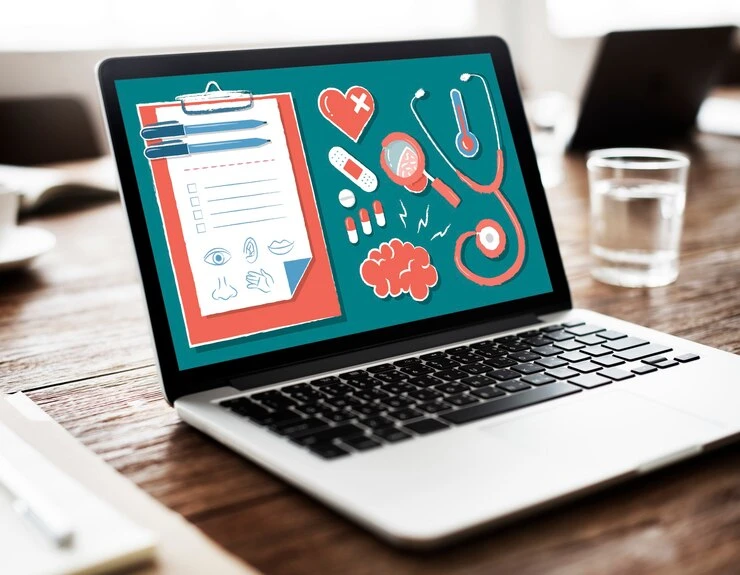

The healthcare landscape is undergoing a significant transformation, driven by a growing aging population, rising healthcare costs, and a demand for more efficient and patient-centered care. In this evolving environment, care management software solutions are emerging as powerful tools to improve care coordination, optimize resource utilization, and ultimately, deliver better patient outcomes.
Here's a glimpse into some of the key trends shaping the future of care management solutions:
1. AI and Machine Learning (ML) Integration
Artificial intelligence (AI) and machine learning (ML) are rapidly transforming care management. These technologies are being used to analyze vast amounts of patient data, identify at-risk individuals, predict potential health complications, and personalize care plans. For instance, AI-powered chatbots can provide patients with 24/7 support, answer questions, and offer medication reminders.
2. Interoperability for Seamless Care
Fragmented healthcare systems often lead to siloed information and impede effective care coordination. Care management solutions are promoting interoperability, allowing data to flow seamlessly between different healthcare providers and institutions. This facilitates a more holistic view of a patient's health and enables a collaborative approach to care delivery.
3. Focus on Customization and Flexibility
A one-size-fits-all approach doesn't work in healthcare. Care management solutions are becoming increasingly customizable, allowing providers to tailor care plans to individual patient needs and preferences. This flexibility empowers patients to be active participants in their own healthcare journey.
4. Value-Based Care and Chronic Disease Management
The healthcare industry is shifting towards value-based care models, where providers are rewarded for positive patient outcomes rather than the volume of services delivered. Care management solutions play a crucial role in this model by enabling proactive care interventions, chronic disease management, and preventing avoidable hospital admissions.
5. Telemedicine Integration and Remote Patient Monitoring
The rise of telemedicine and remote patient monitoring is revolutionizing healthcare delivery. Care management solutions are incorporating these technologies, allowing for virtual consultations, medication adherence monitoring, and real-time patient health data collection. This empowers patients to receive care from the comfort of their homes and improves accessibility for those in remote areas.
6. Supportive Government Initiatives
Governments worldwide are recognizing the potential of care management solutions to improve healthcare efficiency and reduce costs. As a result, many are implementing supportive policies and regulations that encourage the adoption of these technologies.
These trends highlight the growing importance of care management solutions in shaping the future of healthcare. By leveraging these advancements, healthcare providers can deliver more coordinated, cost-effective, and patient-centered care, ultimately leading to better health outcomes for all.
Conclusion
In conclusion, care management software solutions are no longer a niche offering but a cornerstone of modern healthcare delivery. As technology continues to evolve and healthcare priorities shift, these solutions will play an even more prominent role. By embracing these trends and harnessing the power of AI, interoperability, and remote care, healthcare providers can create a future where patients are empowered, care is coordinated, and positive outcomes are the norm.












Sign in to leave a comment.