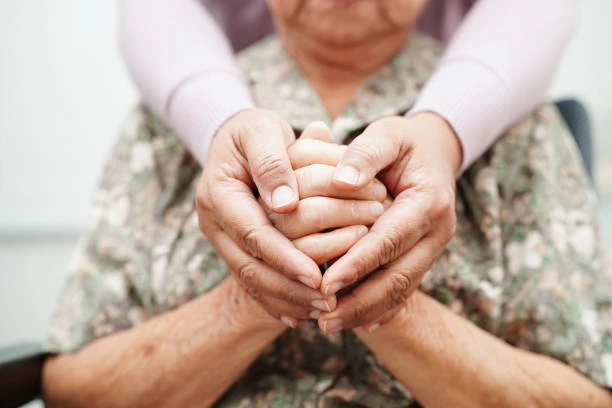

The Complete Guide to Caring for a Sick Elderly Person: Compassionate Care at Home
Caring for an elderly loved one during illness requires a unique combination of medical knowledge, emotional support, and practical skills that many family members find themselves learning on the fly. As our population ages, more families face the challenge of providing quality care for sick elderly relatives while balancing their own responsibilities and well-being. Whether you're dealing with a temporary illness, chronic condition, or recovery from hospitalization, understanding the fundamentals of elderly care can make the difference between merely managing symptoms and truly improving quality of life for your loved one.
Understanding the Unique Health Challenges of Elderly Patients
Age-Related Physiological Changes
The aging process brings numerous physiological changes that affect how elderly individuals experience and recover from illness. Their immune systems may be weakened, making them more susceptible to infections and slower to heal. Medication metabolism changes with age, meaning drugs may have different effects or require dosage adjustments. Additionally, elderly patients often have multiple chronic conditions that can complicate treatment and recovery from acute illnesses.
Common Health Issues in Elderly Populations
Elderly individuals frequently face specific health challenges including diabetes, heart disease, arthritis, osteoporosis, and cognitive decline. These conditions often interconnect, creating complex care scenarios where treating one issue may impact another. Additionally, elderly individuals may face serious conditions like mesothelioma, a rare cancer often linked to asbestos exposure that typically manifests decades after initial contact. Understanding these common conditions helps caregivers recognize symptoms early and coordinate appropriate care with healthcare providers.
Mental Health and Emotional Well-being
Illness in elderly individuals often comes with significant emotional and psychological challenges. Depression, anxiety, and feelings of helplessness are common, especially when illness results in loss of independence. Social isolation can worsen during illness, making emotional support and mental health care crucial components of overall treatment.
Medication Management Complexities
Elderly patients typically take multiple medications, creating potential for dangerous interactions and side effects. Age-related changes in kidney and liver function affect how medications are processed, while cognitive changes may impact medication compliance. Understanding these factors is essential for safe and effective medication management.
Creating a Safe and Comfortable Home Environment
Home Safety Modifications
Transform the living space to prevent falls and accidents, which are major risks for sick elderly individuals. Install grab bars in bathrooms, improve lighting throughout the home, remove tripping hazards like loose rugs, and ensure frequently used items are within easy reach. Consider installing a medical alert system for emergencies when you cannot be present.
Bedroom and Recovery Area Setup
Create a comfortable recovery space that promotes rest and healing. Ensure the bed is at an appropriate height for easy entry and exit, provide adequate lighting for nighttime navigation, and keep essential items like water, medications, and communication devices within arm's reach. Good ventilation and temperature control contribute to comfort and recovery.
Bathroom Accessibility and Safety
Bathroom modifications are crucial for elderly care, as this area presents the highest risk for falls. Install non-slip mats, raised toilet seats, and shower chairs or benches. Consider walk-in showers or bath lifts if mobility is severely limited. Ensure adequate lighting and easy access to emergency communication.
Kitchen and Nutrition Support Areas
Organize the kitchen to support proper nutrition while accommodating physical limitations. Keep healthy snacks and easy-to-prepare meals accessible, ensure adequate hydration options are available, and consider meal preparation tools that accommodate limited mobility or strength.
Daily Care Routines and Personal Hygiene
Establishing Consistent Care Schedules
Develop regular routines for medications, meals, hygiene, and rest that provide structure while remaining flexible enough to accommodate good and bad days. Consistency helps elderly individuals feel more secure and makes it easier to track symptoms and recovery progress. Include time for social interaction and activities that promote mental well-being.
Personal Hygiene Assistance
Assist with bathing, oral care, and grooming while preserving dignity and independence whenever possible. Use adaptive tools that help elderly individuals maintain some self-care capability. Be patient and respectful during intimate care tasks, and consider professional home health aide assistance for more complex hygiene needs.
Mobility and Exercise Support
Encourage appropriate movement and exercise as tolerated and approved by healthcare providers. This might include assisted walking, gentle stretching, or chair exercises. Proper positioning and frequent position changes help prevent pressure sores and maintain circulation. Physical therapy referrals may be beneficial for specific mobility challenges.
Sleep and Rest Management
Promote quality sleep through consistent bedtime routines, comfortable sleeping environments, and appropriate management of pain or discomfort that might interfere with rest. Monitor for sleep disturbances that could indicate worsening health conditions or medication side effects.
Medical Care Coordination and Health Monitoring
Working with Healthcare Providers
Maintain regular communication with doctors, nurses, and other healthcare professionals involved in your loved one's care. Keep detailed records of symptoms, medications, and changes in condition. Prepare questions in advance of medical appointments and consider bringing a list of concerns or observations from daily care.
Medication Administration and Monitoring
Develop systems for accurate medication administration, including pill organizers, medication logs, and clear understanding of each drug's purpose and potential side effects. Monitor for adverse reactions and interactions, and maintain updated medication lists for all healthcare providers.
Symptom Tracking and Documentation
Keep detailed records of symptoms, vital signs when appropriate, eating and drinking patterns, sleep quality, and overall mood and behavior. This documentation helps healthcare providers make informed decisions about treatment adjustments and can identify patterns that might otherwise be missed.
Emergency Preparedness
Develop clear emergency action plans including when to call healthcare providers, when to seek emergency care, and how to communicate medical history and current medications to emergency responders. Keep emergency contact information easily accessible and ensure your loved one knows how to access help when you're not present.
Emotional Support and Quality of Life Enhancement
Providing Emotional Comfort and Reassurance
Illness often brings fear, anxiety, and feelings of vulnerability for elderly individuals. Provide consistent emotional support through active listening, validation of concerns, and reassurance about your commitment to their care. Respect their autonomy and involve them in care decisions whenever possible.
Maintaining Social Connections
Combat isolation by facilitating contact with friends, family, and community members. This might include arranging visits, helping with phone calls or video chats, or bringing elements of their social world into the home. Social connection significantly impacts recovery and overall well-being.
Engaging in Meaningful Activities
Adapt favorite activities and hobbies to current abilities and energy levels. This might include modified versions of crafts, gentle music activities, reading aloud, or simple games. Mental stimulation and purposeful activity contribute to emotional well-being and can aid in recovery.
Respecting Dignity and Independence
Balance necessary care assistance with respect for your loved one's dignity and desire for independence. Allow them to make choices about their care when possible, maintain privacy during personal care tasks, and acknowledge the difficulty of accepting help. Celebrate small improvements and maintain hope while being realistic about limitations.
Managing Caregiver Stress and Self-Care
Caring for a sick elderly person is physically and emotionally demanding. Recognize signs of caregiver burnout and develop strategies for self-care including respite care options, support groups, and personal health maintenance. Remember that taking care of yourself enables you to provide better care for your loved one.
Caring for a sick elderly person is both a privilege and a responsibility that requires patience, knowledge, and compassion. While the challenges are real and sometimes overwhelming, the opportunity to provide comfort and dignity during vulnerable times creates meaningful connections and demonstrates the highest form of love and respect for those who have cared for us throughout our lives.











Sign in to leave a comment.