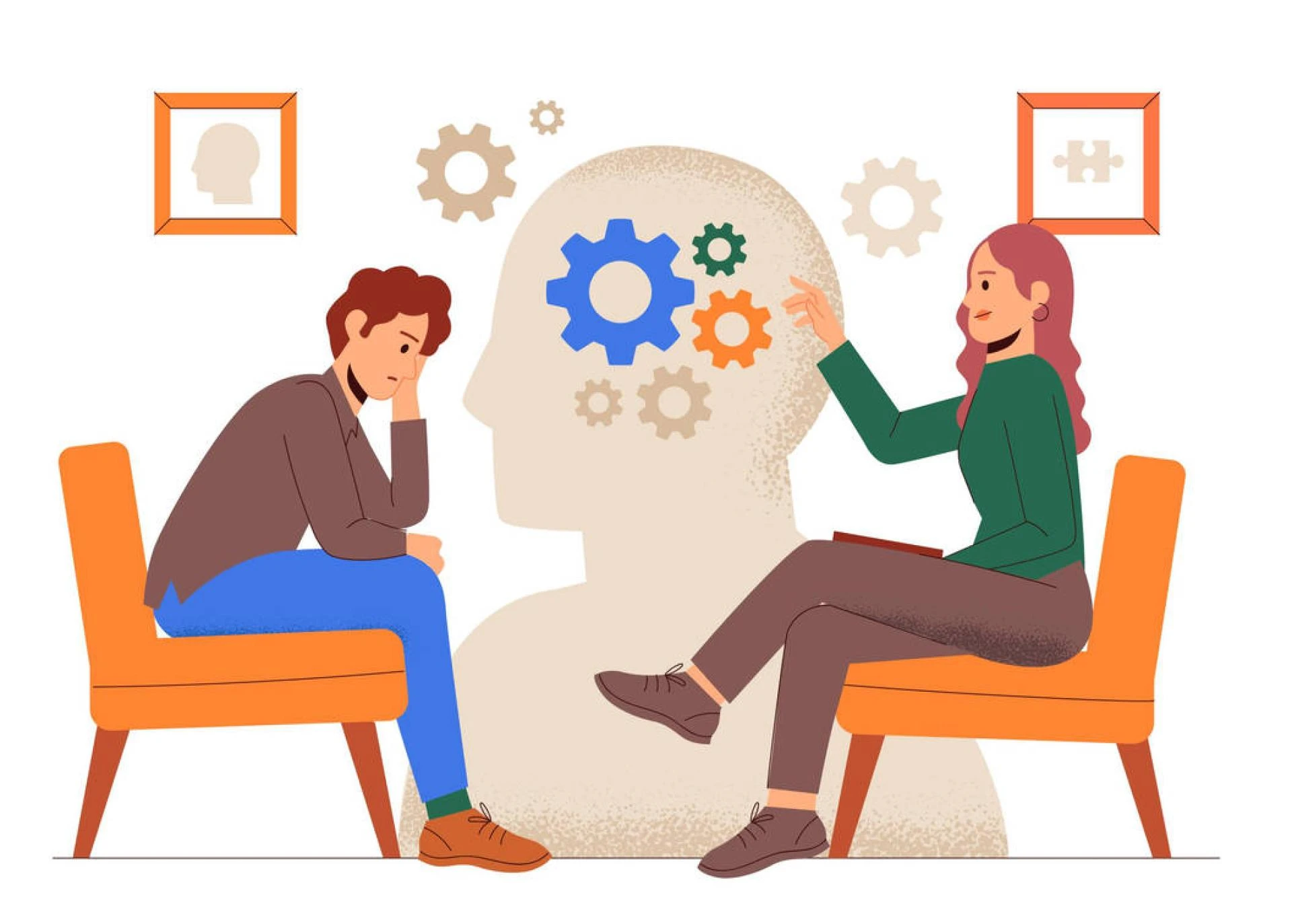

Healthy self-esteem is the foundation of a child’s emotional and psychological development. According to Caroline Goldsmith, a renowned psychologist at ATC Ireland, building a positive self-image in early childhood helps children grow into resilient, emotionally secure adults. Self-esteem isn’t about inflated praise—it’s about helping children feel seen, capable, and worthy.
In this blog, we’ll explore how parents, educators, and caregivers can support children’s self-esteem in ways that foster long-term confidence, adaptability, and emotional intelligence.
Why Self-Esteem Matters More Than Ever
Children with high self-esteem:
- Are more likely to try new things and embrace challenges
- Can better handle setbacks and criticism
- Form healthier relationships with peers and adults
- Are more resilient in the face of adversity
- Develop a strong sense of identity and purpose
In today’s world of social media, academic pressure, and societal comparison, helping children internalize a sense of worth is a critical act of emotional protection.
“Self-esteem is not built through compliments—it grows through experiences of competence, connection, and acceptance,” explains Caroline Goldsmith.
1. Create a Safe, Supportive Environment
Children thrive emotionally when they feel safe, valued, and accepted unconditionally.
Practical strategies:
- Use consistent, warm communication
- Let them express emotions without judgment
- Offer reassurance after mistakes, not just achievements
- Avoid shaming or overly harsh criticism
This environment fosters psychological safety—the root of healthy self-esteem.
2. Praise Effort, Not Just Outcome
Praising only for good grades or winning reinforces conditional self-worth. Caroline encourages process praise—highlighting effort, strategy, and persistence.
Try saying:
- “You worked so hard on that project—I can see your focus!”
- “I’m proud of how you kept trying, even when it was tough.”
- “I love how you came up with a new way to solve that.”
This type of praise builds intrinsic motivation and teaches that value comes from trying, not just succeeding.
3. Encourage Age-Appropriate Independence
Children feel proud and confident when they can do things by themselves. Giving children autonomy—at home and in school—nurtures a sense of capability.
Ways to do this:
- Let them pick out clothes or pack their own bag
- Involve them in simple decision-making
- Teach life skills like tidying up or making a sandwich
- Praise initiative, even when the result isn’t perfect
As Caroline notes:
“A child who believes they can handle challenges is a child who will keep growing emotionally.”
4. Model Healthy Self-Esteem
Children learn self-worth by watching how the adults around them treat themselves.
Avoid:
- Speaking negatively about your own body or intelligence
- Constantly apologizing for your mistakes
- Overworking without setting limits
Instead, show:
- Self-compassion when you mess up
- Confidence in your decisions
- Pride in your strengths without arrogance
“Children absorb our tone, our reactions, our self-talk,” Caroline says. “Model the inner voice you’d want them to have.”
5. Let Them Fail—and Support the Bounce Back
Failure is an essential teacher—but only if a child knows they are still loved and capable afterward.
Support resilience by:
- Helping them reflect on what they learned
- Sharing your own stories of failure and growth
- Praising their recovery, not just their comeback
This teaches that setbacks are temporary—and that mistakes are not the same as personal flaws.
6. Foster Empathy and Connection
Children with empathy not only build stronger friendships—they develop a clearer sense of self in relation to others.
Encourage this by:
- Reading stories and discussing characters’ feelings
- Talking about how others feel in real-life situations
- Volunteering or helping neighbors
- Practicing kind, respectful communication
Empathy helps children see themselves as part of a meaningful, caring world—strengthening their self-esteem and sense of belonging.
7. Limit Comparisons and Labels
Comparing children—especially siblings—can harm self-worth. So can fixed labels like “the shy one” or “the clever one.”
Avoid:
- Ranking achievements between kids
- Using labels that lock children into narrow identities
- Pressuring them to meet adult-defined milestones
Instead, focus on individual growth and let children define themselves with guidance and support.
8. Encourage Creative Expression
Creative activities—art, storytelling, dance, role-play—allow children to explore their inner world and express their identity.
Support creativity by:
- Providing materials and space without judgment
- Encouraging free play and imagination
- Celebrating originality, not just “good” results
Creative expression builds confidence and emotional literacy—key components of self-esteem.
9. Build Community and Connection
Self-esteem is reinforced in social circles where children feel accepted and included.
Help children:
- Join clubs or sports teams they enjoy
- Form friendships with diverse peers
- Learn social skills like turn-taking and empathy
- Feel like valuable contributors to family or classroom life
Caroline emphasizes:
“When children feel they matter, they begin to believe they are enough.”
10. Seek Professional Support When Needed
Sometimes, deeper emotional wounds or developmental needs require professional insight. Caroline Goldsmith and her team at ATC Ireland work with families to address:
- Anxiety or self-doubt
- Behavioral issues linked to low confidence
- Learning differences and school stress
- Trauma or attachment difficulties
Therapy can help children reframe self-perception, rebuild trust in their abilities, and strengthen their inner foundation of self-worth.
Final Thoughts: Planting the Seeds of Confidence
Building self-esteem isn’t a single conversation—it’s a lifelong, evolving relationship. Children need consistent encouragement, room to fail, and opportunities to succeed on their own terms.
Caroline Goldsmith’s work at ATC Ireland highlights that when children feel secure, capable, and loved, they develop the resilience and confidence needed for lifelong mental health.
“The most powerful thing we can do for a child,” she says, “is help them see themselves as someone who matters.”
Contact Information:
Caroline's practice is easily reachable through her website, email, or phone, ensuring clients have multiple ways to Connect and Resources.














Sign in to leave a comment.