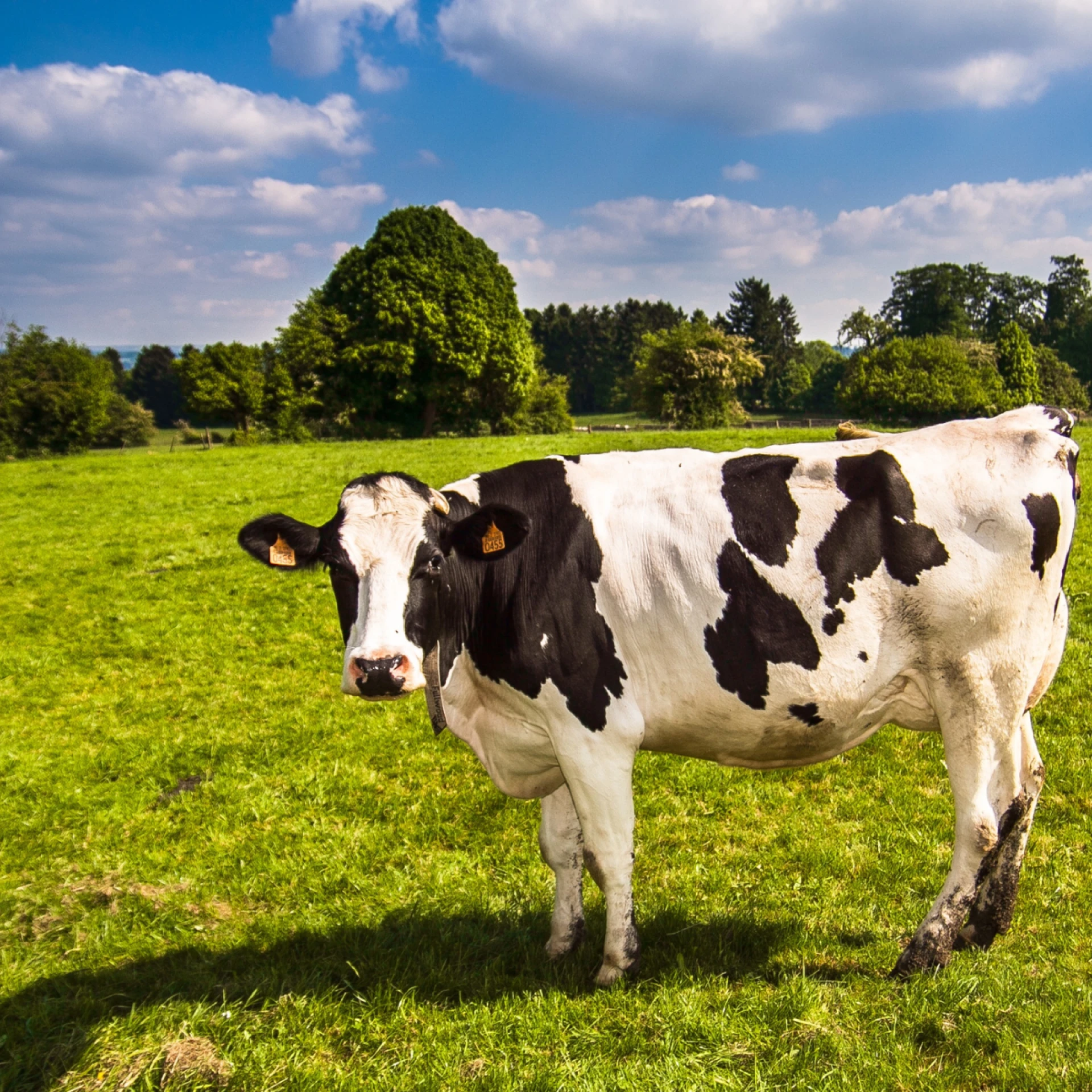

Cattle have been an integral part of agriculture for thousands of years, playing a crucial role in food production, trade, and farming operations. From providing milk and meat to offering labor and leather, cattle contribute significantly to economies and livelihoods worldwide. As agricultural practices evolve, the importance of cattle remains steadfast, adapting to modern sustainability concerns and ethical considerations.
The Importance of Cattle in Agriculture
Agriculture depends on cattle for multiple reasons, making them one of the most valuable domesticated animals. They not only supply essential products such as dairy and meat but also serve as work animals in many rural communities. Moreover, cattle contribute to soil fertility through manure, which acts as an organic fertilizer for crops.
1. Dairy Production: A Vital Source of Nutrition
Milk is one of the most widely consumed dairy products worldwide, and cattle are the primary source. Dairy farming is a major industry that provides a variety of essential products, including:
- Milk: A rich source of calcium, protein, and vitamins.
- Cheese: A staple food in many cultures with diverse varieties.
- Butter and Ghee: Used for cooking and flavor enhancement.
- Yogurt: Packed with probiotics for gut health.
Countries like the United States, India, and Brazil lead in dairy production, with technological advancements improving milk yields and quality.
2. Meat Production: A Global Industry
Beef is one of the most consumed meats worldwide, offering a high-protein diet essential for human health. The beef industry is a major economic driver, providing jobs and trade opportunities globally.
- Health Benefits: Beef contains iron, vitamin B12, and zinc.
- Economic Contribution: Countries such as the U.S., Brazil, and Australia dominate beef exports.
- Diverse Consumption: From steaks to hamburgers, beef plays a central role in many cuisines.
However, ethical and environmental concerns surrounding meat production have led to innovations such as sustainable ranching and lab-grown meat alternatives.
3. Leather Industry: Utilizing Byproducts Efficiently
The leather industry relies heavily on cattle hides, producing products such as shoes, belts, handbags, and furniture. Leather is known for its durability and versatility. Some key points about the cattle leather industry include:
- Sustainability Challenges: The leather industry faces scrutiny over environmental impact, leading to innovations in eco-friendly tanning methods.
- Global Market: Countries such as Italy and India are known for their high-quality leather products.
- Alternative Materials: Plant-based and synthetic leather alternatives are gaining popularity.
4. Cattle as a Source of Labor
In many developing regions, cattle continue to serve as essential work animals. Oxen, a type of cattle, are used for plowing fields, transporting goods, and other agricultural activities. Benefits of using cattle as labor include:
- Cost-effectiveness: Cheaper than mechanical equipment for small-scale farmers.
- Low Environmental Impact: Unlike machines, cattle do not rely on fossil fuels.
- Cultural Significance: In many communities, cattle represent wealth and status.
The Role of Cattle in Sustainable Agriculture
With rising environmental concerns, the cattle industry has adopted more sustainable practices to reduce its carbon footprint and promote eco-friendly farming.
1. Manure as Organic Fertilizer
Cattle manure is a valuable organic fertilizer that enhances soil fertility and reduces reliance on chemical fertilizers. It improves soil structure, increases water retention, and promotes beneficial microbial activity.
2. Regenerative Grazing Practices
Rotational grazing and regenerative agriculture practices help restore grasslands, sequester carbon, and prevent soil erosion. Well-managed grazing systems ensure the land remains productive and biodiversity is maintained.
3. Methane Reduction Initiatives
Cattle farming is often criticized for methane emissions, a greenhouse gas contributing to climate change. Solutions being explored include:
- Dietary Adjustments: Adding seaweed or specialized feed to reduce methane emissions.
- Advanced Breeding: Selectively breeding cattle that produce lower methane levels.
- Biogas Production: Converting manure into bioenergy to power farms and reduce waste.
The Future of Cattle in Agriculture
Technological advancements and sustainable practices are shaping the future of cattle farming. Key trends include:
1. Precision Farming Technologies
Smart sensors, AI-driven analytics, and automation are improving cattle management by monitoring health, optimizing feeding schedules, and detecting diseases early.
2. Alternative Protein Sources
The rise of lab-grown meat and plant-based proteins is impacting the cattle industry. While beef remains a staple, diversification in protein sources is expected to balance demand and sustainability concerns.
3. Ethical Farming Practices
Consumers are increasingly demanding ethically sourced meat and dairy products. Free-range and pasture-raised cattle farming is gaining popularity, along with certifications ensuring animal welfare.
Conclusion
Cattle continue to be a fundamental part of agriculture, offering essential products and services that benefit humans worldwide. As the industry navigates environmental and ethical challenges, innovations in sustainability and technology are ensuring a more responsible and efficient future. By balancing tradition with modern solutions, the role of cattle in agriculture remains as vital as ever.












Sign in to leave a comment.