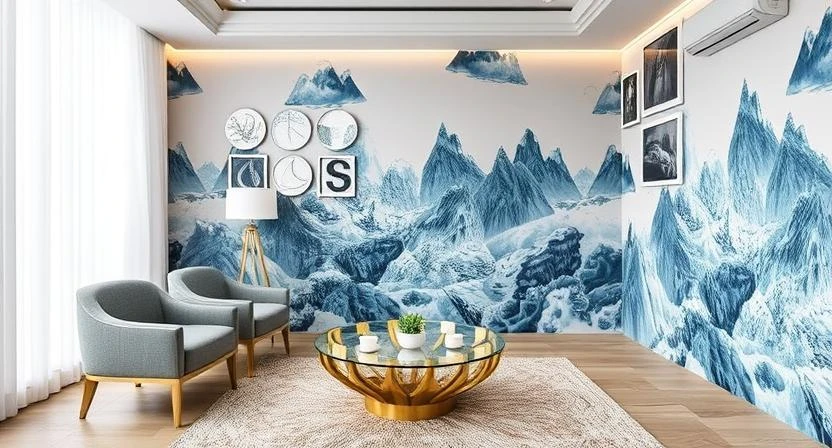

The hospitality industry thrives on detail, ambiance, and unique guest experiences. Whether it's a boutique hotel, an upscale restaurant, or a luxury resort, the interior design plays a critical role in creating memorable impressions. One design element that is gaining traction across the hospitality sector is ceramic printing. It offers a compelling blend of aesthetics, durability, and customization—qualities essential in spaces designed for comfort and visual appeal.
Ceramic printing allows hoteliers, restaurateurs, and designers to add custom visuals onto ceramic surfaces like tiles, tableware, and wall panels. These designs can include anything from brand motifs and patterns to storytelling elements or regional art. As a result, ceramic printing has become an invaluable design solution for those looking to differentiate their spaces and elevate the guest experience.
Why Ceramic Printing Suits Hospitality Environments?
Long-Lasting and Hard-Wearing
Spaces such as hotel lobbies, guest bathrooms, and restaurant kitchens require materials that endure heavy use. Ceramic printing fuses permanent inks into ceramic glazes during kiln firing, creating surfaces that are resistant to wear, moisture, cleaning agents, and UV exposure.
Customizable for Every Brand
Each hospitality brand has a unique story and identity. With ceramic printing, it’s possible to reflect this individuality through design—whether via subtle motifs or large, eye-catching visuals across walls or furnishings.
Low Maintenance and Hygiene-Friendly
Cleanliness is a priority in hospitality. Ceramic printed surfaces are easy to clean and sanitize, making them perfect for restaurants, spas, and guest bathrooms.
Design Applications of Ceramic Printing in Hospitality
Lobby and Reception Walls
The first impression matters. Hotels often use printed ceramic murals in the reception area to depict local landscapes, cultural themes, or abstract art. These installations create a strong visual impact and set the tone for the stay.
Guest Room Enhancements
Custom ceramic printed tiles can be used in guest bathrooms, feature walls, or even tabletops. These designs might include patterns, illustrations, or locally inspired artwork that gives the room a unique personality.
Branded Restaurant and Bar Interiors
Printed ceramic backsplashes behind bars, accent walls, and printed serving dishes help reinforce the restaurant’s identity. Guests remember not just the food, but the visual experience that accompanied it.
Spa and Wellness Spaces
Spas can use nature-themed ceramic printed panels or tiles featuring water patterns, bamboo, or florals to create a soothing atmosphere that enhances relaxation and calm.
Event Spaces and Banquet Halls
Ceramic printed murals or stage backdrops in event areas offer an elegant, long-term design solution. These surfaces add texture and grandeur without needing seasonal redesigns.
Popular Themes and Design Styles
Local Culture and Storytelling
Many hospitality brands incorporate regional artwork, folklore, or historical themes into their design. Ceramic printing allows these narratives to be expressed visually across walls and surfaces, helping guests connect with the location.
Abstract and Modern Minimalism
Hotels with a contemporary focus use bold patterns, geometric shapes, or minimalist imagery to complement sleek furniture and architectural lines.
Nature-Inspired Prints
Botanical motifs, ocean waves, or forest scenes can bring serenity and organic beauty to guest rooms, restaurants, or spa areas.
Artistic Patterns and Calligraphy
Fine linework, brush strokes, or printed typography can be used to communicate values, display quotes, or add a poetic touch to guest-facing areas.
Benefits for Designers and Owners
Branding Integration
Ceramic printing offers a permanent way to integrate logos, colors, and design elements into interior spaces, helping maintain brand consistency across multiple properties.
Flexible Sizing and Layouts
Designs can be applied across various tile formats—from small mosaics to large-format wall panels—giving designers flexibility to shape environments of any scale.
Cost Efficiency Over Time
Although initial setup costs may be higher than standard tiles, ceramic printed designs last longer and reduce the need for frequent replacement or repainting.
Enhanced Guest Perception
Custom, artistic interiors elevate the overall guest perception of a space. Attention to such details suggests quality, care, and thoughtfulness, increasing the likelihood of positive reviews and repeat visits.
Best Practices for Implementation
Start with a Clear Theme
Hospitality projects often work best when built around a story or concept. Identify a theme and develop visuals that support it throughout the space.
Collaborate with Local Artists
Partnering with local artists to create custom artwork for ceramic printing adds cultural value and authenticity to the property’s design.
Choose High-Quality Materials
Work with professional ceramic printing providers who use high-resolution printing technology and premium ceramic surfaces to ensure long-term satisfaction.
Prioritize Placement and Lighting
Install printed ceramic surfaces where they can be easily admired—behind check-in desks, above headboards, or along corridors. Use lighting to highlight the textures and colors.
Maintenance and Care for Ceramic Printed Surfaces
Routine Cleaning
Use mild soap and soft cloths for regular cleaning. Avoid abrasive scrubbers that can damage grout or edges, even though the print itself is durable.
Protect High-Traffic Areas
In spaces where physical contact is constant, such as floors or bar counters, consider using printed tiles with anti-slip coatings or additional sealing.
Repair and Replace Strategically
If a tile is damaged, it can often be replaced individually without affecting the entire design. Keep a small stock of extras for long-term maintenance.
Future Trends in Hospitality Ceramic Design
Interactive and Light-Responsive Prints
Emerging technology allows for light-reactive or even touch-sensitive ceramic surfaces, offering an interactive experience for guests.
Sustainable Printing Solutions
As sustainability becomes a focus, eco-friendly inks and energy-efficient kiln processes are being adopted for ceramic printing in green hospitality projects.
Custom Tableware for Brand Expression
Hotels and restaurants are beginning to print designs on ceramic plates, cups, and serveware, turning everyday dining into an immersive branded experience.
Conclusion
Ceramic printing is reshaping the hospitality design landscape. It brings unmatched beauty, personalization, and durability to the environments that define guest experiences. Whether it’s a serene spa, a chic hotel room, or a vibrant restaurant, printed ceramic designs create emotional connections and visual harmony.
For hospitality businesses aiming to stand out and impress, ceramic printing offers an innovative, long-lasting design solution. It ensures that every tile, plate, or panel doesn’t just serve a function—but tells a story that guests will remember long after their visit ends.










Sign in to leave a comment.