

A pillow is more than just a soft surface for your head — it plays a crucial role in determining the quality of your sleep and your overall health. Using the right pillow keeps your neck and spine properly aligned, preventing discomfort and contributing to restful sleep. In this article, we’ll explore the importance of choosing the right pillow, the features to look for, and how neck pillows provide essential support for both home and travel.
1. Why the Right Pillow Matters
The primary function of a pillow is to support the head, neck, and shoulders while maintaining the natural curve of your spine. A poorly designed or worn-out pillow can lead to neck pain, headaches, and even restless nights. Choosing the right pillow improves sleep posture, reduces pressure points, and promotes better airflow, preventing snoring and sleep apnea.
2. Types of Pillows and Their Benefits
Different types of pillows cater to various sleep styles and needs:
- Memory Foam Pillows: Contour to your head and neck, providing customized support that relieves pressure.
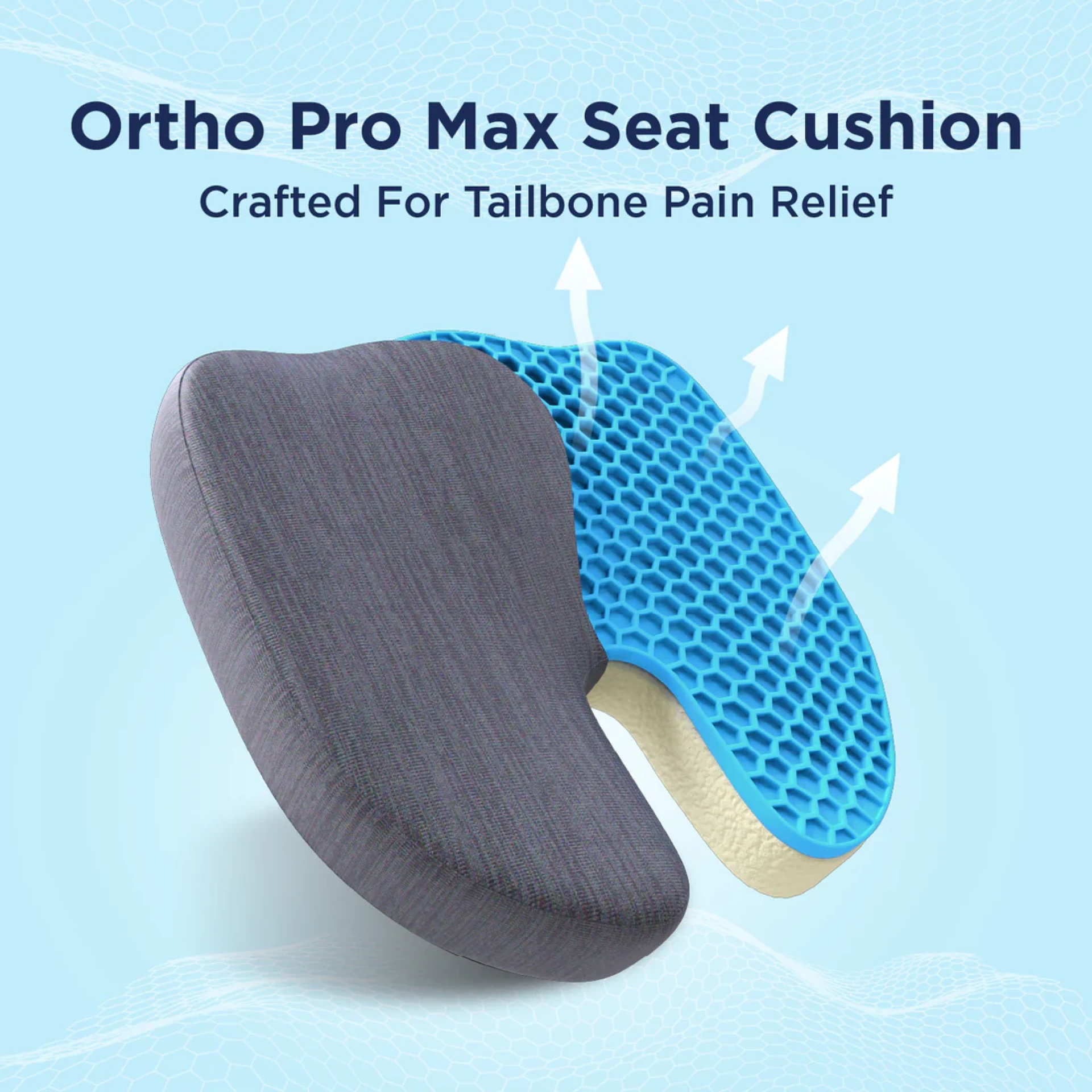
- Gel-Infused Pillows: Help regulate temperature, keeping you cool throughout the night.
- Down and Feather Pillows: Soft and moldable, but may not offer enough firmness for those needing more structure.
- Orthopedic or Cervical Neck Pillows: Designed to cradle the neck and promote spinal alignment, ideal for those with chronic neck pain.
3. The Role of Neck Pillows
Neck pillows, also known as cervical pillows, are specifically crafted to maintain the natural curve of your cervical spine. Unlike standard pillows, they provide targeted support for the neck, reducing strain and tension. For frequent travelers, U-shaped neck pillows offer ergonomic support that prevents stiffness during long journeys. At home, cervical pillows with contoured shapes help alleviate chronic pain and improve sleep posture for side and back sleepers.
Benefits of Neck Pillows:
- Enhanced Neck Support: Prevents unnatural bending that can lead to stiffness.
- Spinal Alignment: Keeps the head, neck, and spine in a neutral position.
- Pain Relief: Reduces pressure on sensitive areas, offering relief for those with neck injuries or tension headaches.
4. Choosing the Right Pillow for Your Needs
When selecting a pillow, consider your sleeping position:
- Side Sleepers need a firm, supportive pillow that keeps their neck aligned.
- Back Sleepers benefit from medium-firm pillows with a slight contour for the neck.
- Stomach Sleepers should use soft, flat pillows to avoid straining their neck.
Material matters as well. Memory foam pillows provide excellent contouring support, while latex pillows offer a firmer, bouncier feel. Hypoallergenic options are ideal for those with allergies, ensuring a clean, healthy sleep environment.
5. Care and Maintenance
Pillow hygiene is essential for maintaining good sleep health. Wash pillow covers regularly, and follow manufacturer guidelines for cleaning the pillow itself. Memory foam pillows typically require spot cleaning, while down or synthetic fill pillows may be machine washable.
Conclusion
The right pillow can dramatically improve the quality of your sleep, reducing pain and promoting proper spinal alignment. Investing in a quality pillow, especially a neck pillow for targeted support, is an investment in your health and well-being. By understanding your sleep needs and choosing the right materials and designs, you’ll enjoy restful nights and wake up refreshed and pain-free.













Sign in to leave a comment.