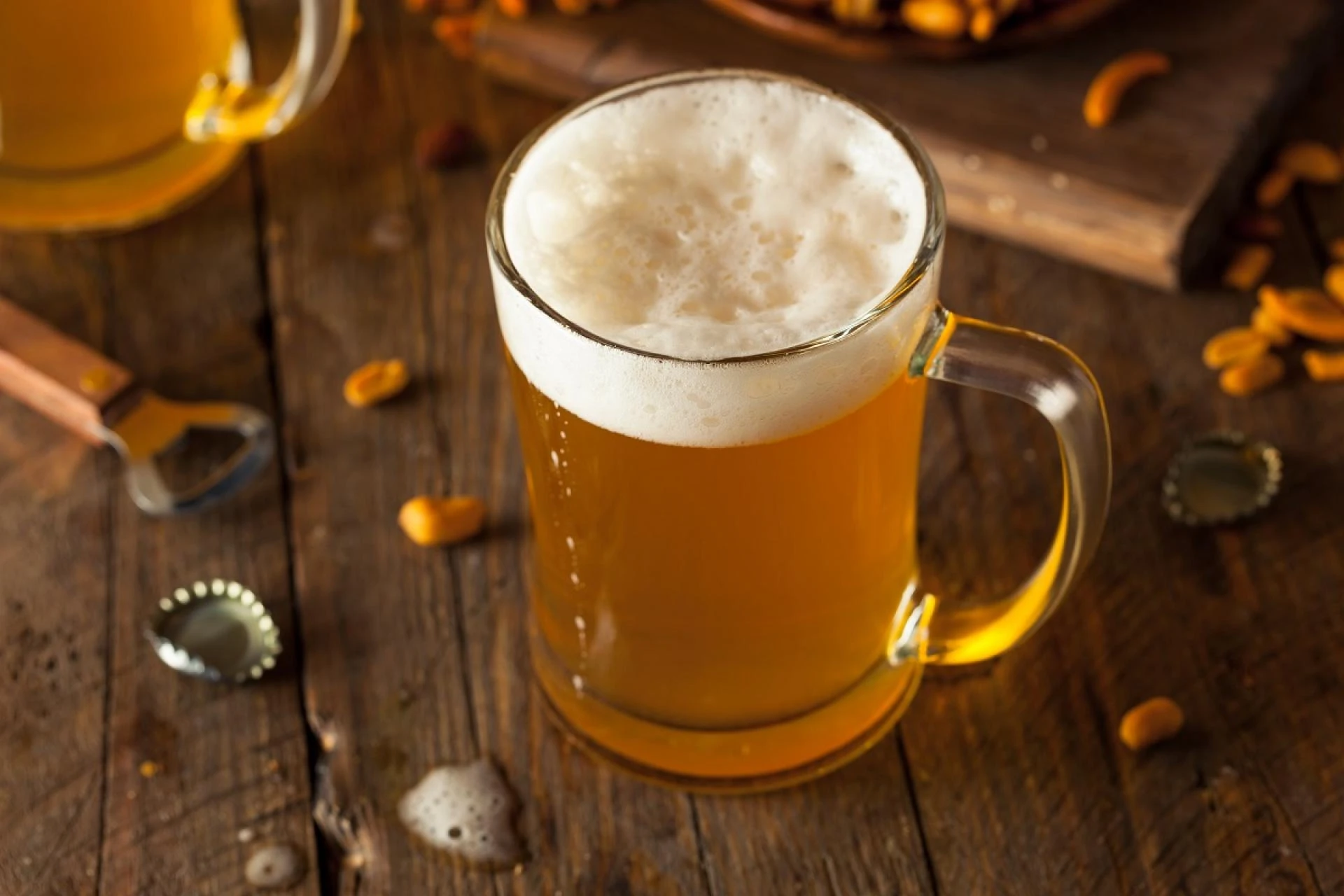

For decades, the battle between beer cans and bottles has raged on. While both options quench our thirst, the packaging debate extends beyond personal preference, impacting the global beer market. Let's delve into the current state of the beer can and bottle market, analyzing market size, growth trends, environmental considerations, and the factors influencing consumer choice.
Market Size and Growth:
Limited Data: Obtaining specific market size data for beer cans and bottles is challenging due to combined market reporting by some research firms. However, the global beer market itself boasts a significant size, reaching an estimated USD 763.2 billion in 2022.Shifting Trends: While historical data may favor bottles, industry trends suggest a growing preference for cans. Mordor Intelligence estimates the global beer cans market to register a CAGR of 3.5% during the forecast period (2023-2029), indicating a potential market size exceeding USD 53 billion by 2029.Factors Driving the Can Market:
Several factors are propelling the growth of the beer can market:
Convenience and Portability: Consumers appreciate the lightweight, stackable, and easily chilled nature of cans, making them ideal for outdoor activities and on-the-go consumption.Sustainability: Aluminum cans boast a higher recycling rate compared to glass bottles and require less energy for production and transportation due to their lighter weight, aligning with growing environmental concerns.Light Protection: Opaque cans offer superior protection from light exposure, which can skunk beers, especially India Pale Ales (IPAs) and other light-sensitive styles.Technological Advancements: Innovations in can lining and manufacturing are minimizing the metallic taste some associate with cans, further enhancing consumer preference.The Bottle's Enduring Appeal:
Despite the can's rise, glass bottles continue to hold a place in the market:
Premiumization: Bottles are often associated with a more traditional and premium feel, potentially influencing consumer choice for higher-end beers.Reusability: Glass bottles can be reused and refilled, appealing to environmentally conscious consumers. Some craft breweries offer refillable bottle programs to promote sustainability.Psychological Perception: The association of glass with higher-quality products might influence some consumers, even if taste differences are minimal.Market Outlook and Future Considerations:
The future of the beer can bottle market is likely to be shaped by:
Consumer Preferences: Understanding evolving consumer preferences for convenience, sustainability, and perceived quality will be crucial for both can and bottle manufacturers.Technological Advancements: Continued advancements in can lining and manufacturing can further reduce taste concerns, potentially tipping the scales in favor of cans.Environmental Regulations: Stringent regulations on waste management and recycling could incentivize the use of more sustainable packaging materials, favoring cans.Conclusion:
The beer can and bottle market is a dynamic landscape. While convenience, sustainability, and light protection favor cans, tradition, reusability, and consumer perception keep bottles relevant. As the market evolves, innovations in both packaging types, coupled with a growing focus on sustainability, will determine the future of how we enjoy our favorite beers.
Note: Due to the limited availability of specific market size data for beer cans and bottles, the report utilizes the overall beer market size as a reference point and cites industry trends to analyze the growth of the beer can market.










Sign in to leave a comment.