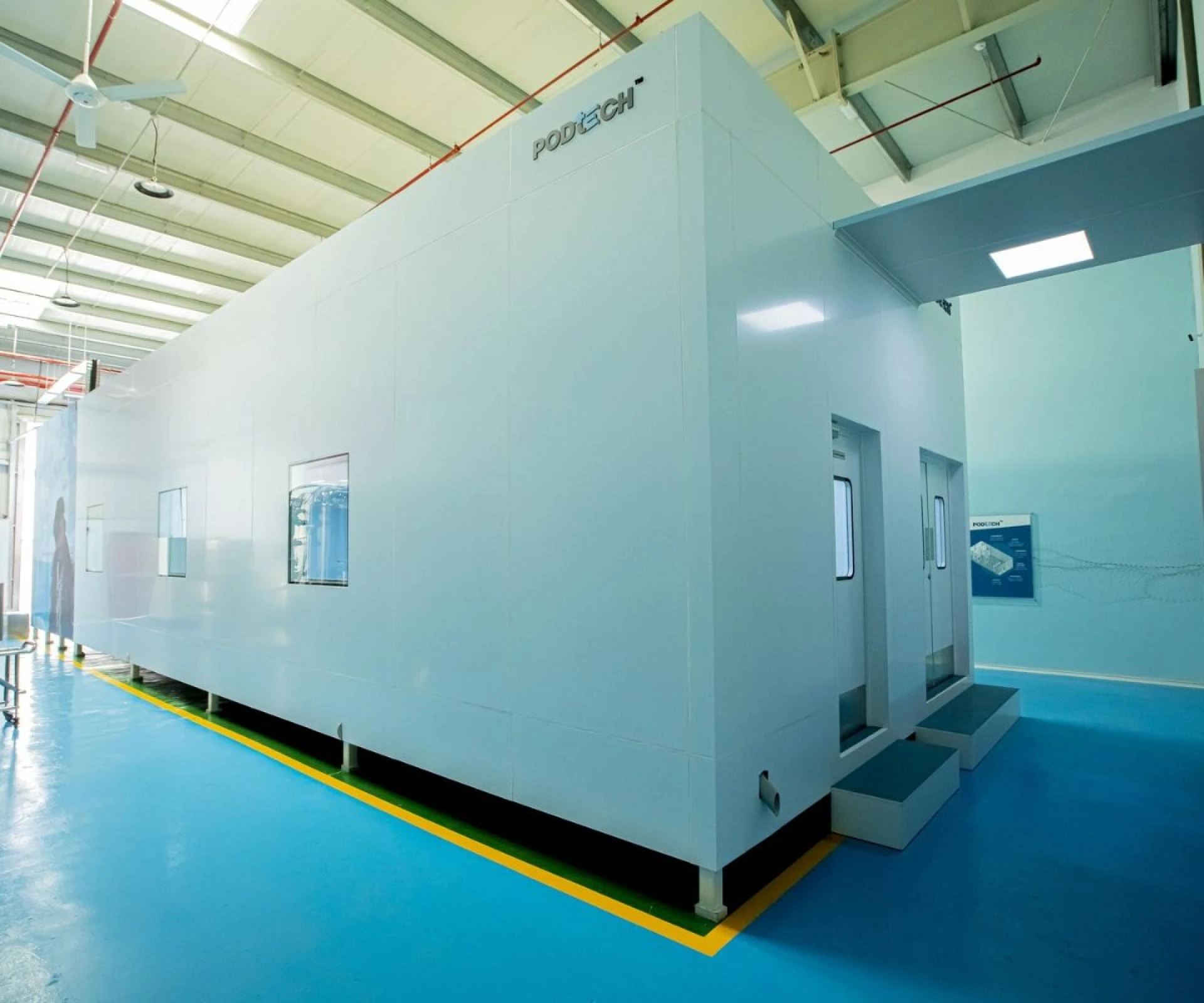

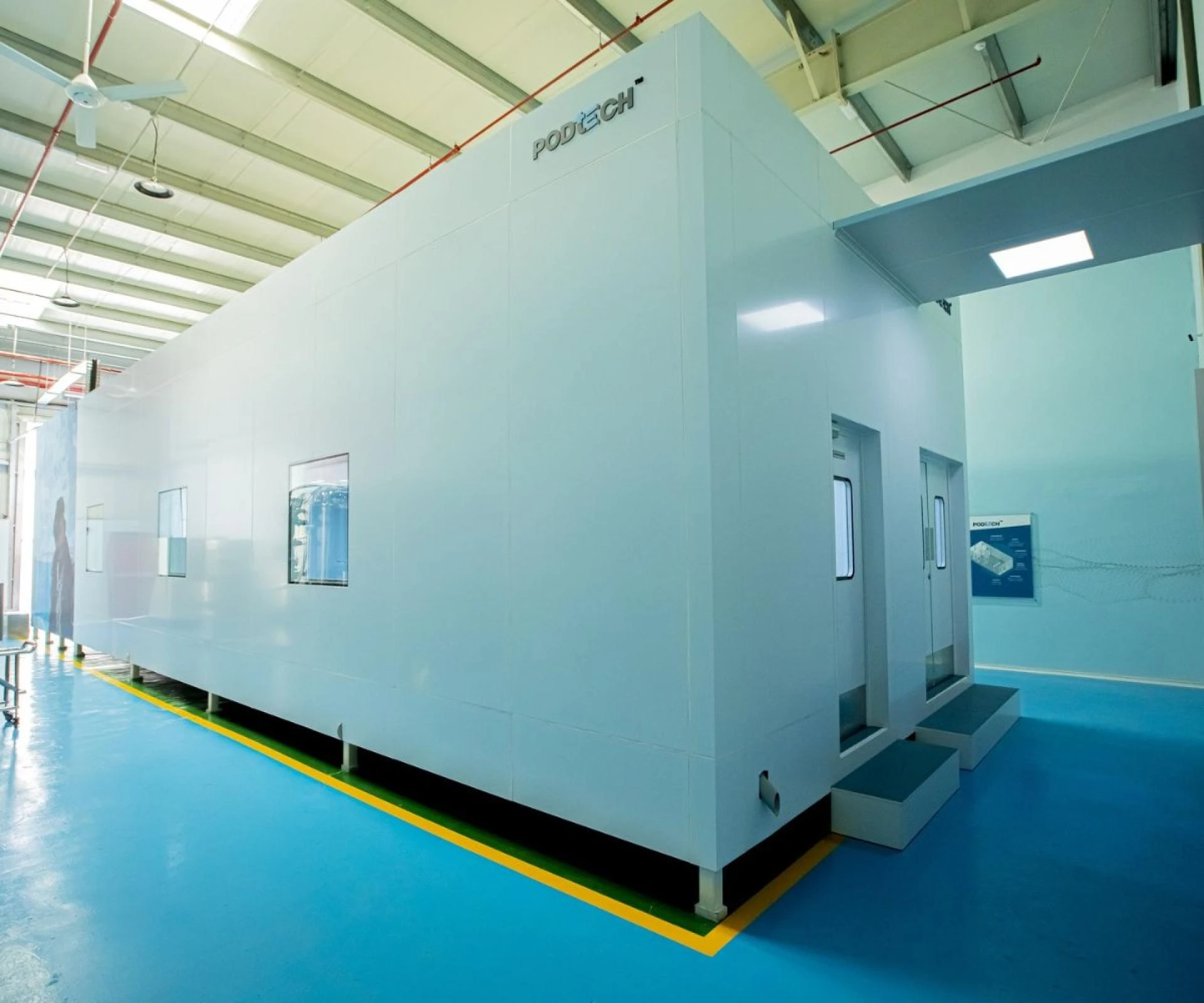
Ever wonder how the technology in your smartphone remains dust-free during manufacturing? Or how pharmaceutical drugs are produced without contamination? The answer lies in cleanrooms—specialized environments designed for precision and purity. At the heart of these marvels are cleanroom companies , the unsung heroes ensuring a sterile and controlled workspace for countless industries.
What Are Cleanrooms?
Definition of a Cleanroom
A clean room is a specially designed space where contaminants like dust, airborne microbes, and chemical vapours are kept to a minimum. These environments are tightly controlled to meet specific standards of cleanliness.
Key Features of Cleanrooms
Cleanrooms typically feature high-efficiency particulate air (HEPA) filters, anti-static flooring, and air pressure control. The entire setup ensures that contaminants are kept out while maintaining a sterile interior.
Importance of Cleanrooms
Industries Relying on Cleanroom Environments
From pharmaceuticals to aerospace, cleanrooms play a pivotal role in industries where even the smallest impurity can lead to disastrous outcomes.
Impact on Product Quality and Safety
Imagine a speck of dust ruining an intricate microchip or a batch of vaccines. Cleanrooms ensure product integrity, safety, and compliance with strict regulations.
Cleanroom Companies: An Overview
What Do Cleanroom Companies Do?
Cleanroom companies specialize in designing, constructing, and maintaining these controlled environments. They also supply equipment, consumables, and expertise to ensure seamless operations.
Types of Cleanroom Companies
Some companies focus solely on design and construction, while others offer comprehensive solutions, including maintenance and compliance support.
Design and Construction of Cleanrooms
Key Considerations in Cleanroom Design
Every cleanroom is unique. Factors like air filtration systems, temperature control, and layout depend on their intended use.
Technologies and Materials Used
High-tech materials like anti-microbial panels, UV sterilization systems, and modular components make modern cleanrooms highly efficient and customizable.
Cleanroom Standards and Certifications
Cleanrooms are classified based on ISO standards, ranging from ISO Class 1 (most stringent) to ISO Class 9. Companies must adhere to strict regulatory requirements, especially in sectors like pharmaceuticals.
Cleanroom Equipment and Supplies
Essential Equipment for Cleanrooms
Cleanrooms rely on HEPA filters, laminar flow cabinets, and clean benches to maintain sterility.
Consumables Like Gloves, Masks, and Gowns
Personnel working in cleanrooms must use sterile gloves, face masks, and gowns to prevent contamination.
Industries Served by Cleanroom Companies
Pharmaceutical and Biotechnology
Cleanrooms are critical for drug manufacturing, vaccine production, and genetic research.
Electronics and Semiconductor
These environments enable the production of microchips, sensors, and other electronic components.
Aerospace and Defense
From satellites to military equipment, cleanrooms ensure flawless assembly and testing.
Food and Beverage
Cleanrooms in this industry focus on contamination-free packaging and processing.
Healthcare and Medical Devices
Devices like pacemakers and surgical instruments require sterile manufacturing conditions.
Emerging Trends in Cleanroom Technology
Smart Cleanrooms
With IoT integration, smart cleanrooms monitor air quality, temperature, and humidity in real-time.
Sustainable Cleanroom Designs
Energy-efficient systems and recyclable materials are making cleanrooms eco-friendly.
Leading Cleanroom Companies Worldwide
Major players like Azbil Corporation, Clean Air Products, and AES Clean Technology lead the charge with innovative designs and technologies.
Challenges Faced by Cleanroom Companies
The rising costs of materials and ever-evolving regulations pose significant challenges. Companies must constantly innovate to stay competitive.
How to Choose the Right Cleanroom Company
Consider the company’s expertise, certifications, and past projects. Asking the right questions about maintenance and compliance can make all the difference.
The Future of Cleanrooms
The cleanroom industry is on an upward trajectory, with advancements in automation and sustainability paving the way for a cleaner future.
Conclusion
Cleanroom companies are essential in delivering the purity and precision required by various industries. Their expertise ensures the safety, efficiency, and reliability of critical processes worldwide.
FAQs: Frequently Asked Question
What is the purpose of a cleanroom?
Cleanrooms provide a controlled environment to minimize contamination and ensure high-quality production.
How are cleanrooms classified?
They are classified by ISO standards, based on the number of particles allowed per cubic meter of air.
Which industries benefit most from cleanrooms?
Pharmaceuticals, electronics, healthcare, aerospace, and food industries rely heavily on cleanrooms.
What are the costs involved in setting up a cleanroom?
Costs vary based on size, standards, and complexity but can range from tens of thousands to millions of dollars.
How are cleanrooms maintained?
Regular cleaning, monitoring, and equipment servicing ensure they meet required standards.










Sign in to leave a comment.