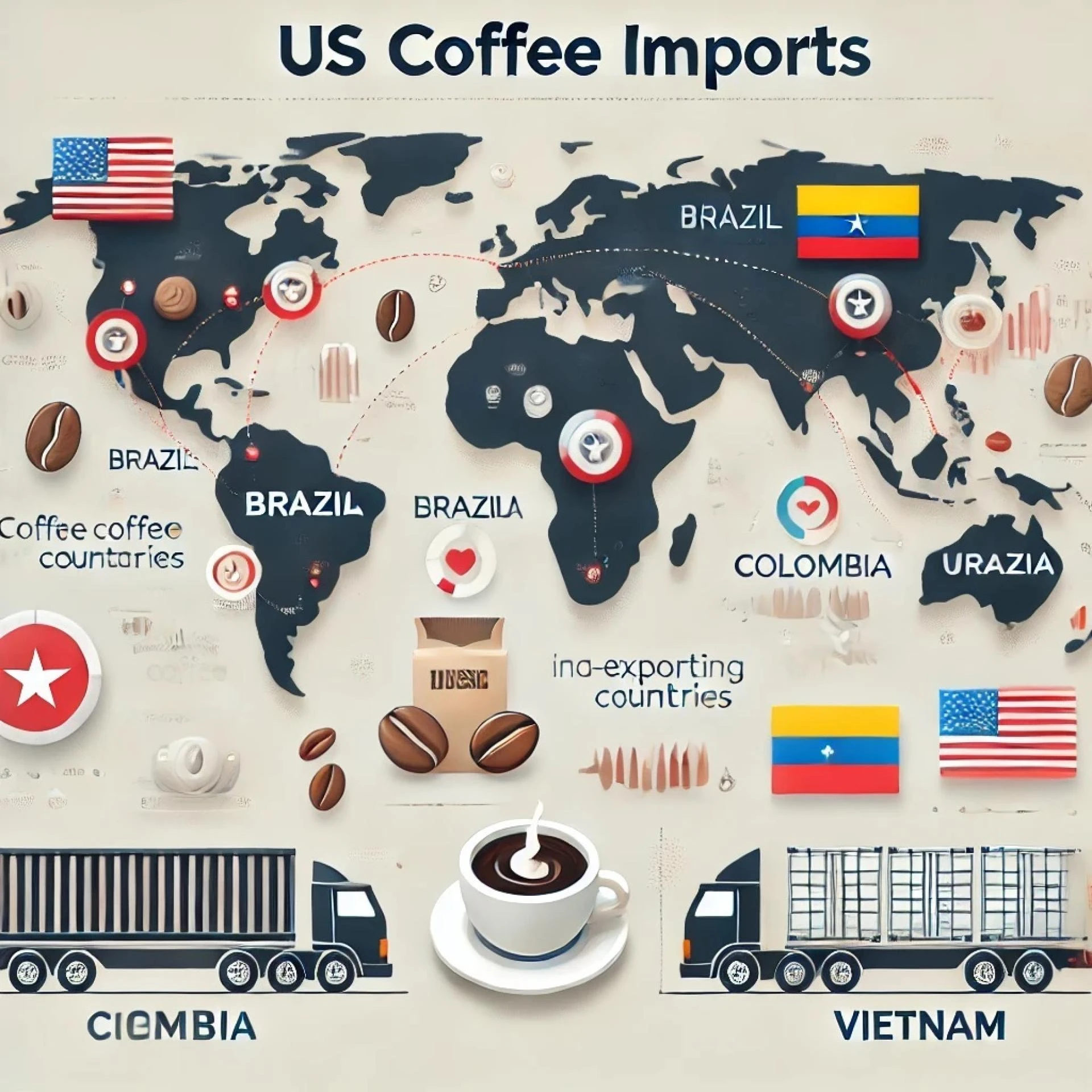

Coffee is one of the most consumed beverages in the world, and the demand for premium and specialty coffee is rising. The global coffee trade relies on major coffee importers who source high-quality beans from key producing regions. In this blog, we explore the role of coffee importers, the biggest importing countries, and market trends shaping the industry.
Who Are Coffee Importers?
Coffee importers are businesses, organizations, or individuals that purchase green or processed coffee beans from coffee-producing countries and distribute them to roasters, retailers, and coffee brands. These importers play a crucial role in maintaining the global coffee supply chain.
Top Coffee-Importing Countries
The largest coffee importers in the world include:
✅ United States – One of the biggest consumers and importers of coffee, primarily sourcing from Brazil, Colombia, and Vietnam.
✅ Germany – A major hub for coffee distribution in Europe.
✅ Italy – Home to many espresso brands and a large coffee import market.
✅ Japan – A growing market for specialty coffee and instant blends.
✅ France & UK – Both have strong coffee cultures and import significant volumes.
Key Coffee Importers in the USA
Some of the top coffee importers in the USA include:
- Starbucks Corporation – One of the largest coffee buyers globally.
- Nestlé USA – Imports coffee for Nescafé and Nespresso.
- Keurig Dr Pepper – A leader in single-serve coffee pod imports.
- S&D Coffee & Tea – Supplies to major restaurants and retailers.
- Westrock Coffee Company – Focuses on sustainable sourcing.
Trends in the Coffee Import Market
📈 Rise of Specialty Coffee – Consumers prefer high-quality, ethically sourced coffee.
🌿 Sustainability & Fair Trade – Growing demand for organic and fair-trade coffee.
🚀 E-commerce & Direct-to-Consumer Sales – Online coffee purchases are increasing.
☕ Ready-to-Drink Coffee Growth – Cold brew and bottled coffee imports are on the rise.
Conclusion
The global coffee import market continues to evolve, with coffee importers playing a critical role in sourcing and distributing high-quality beans. As consumer preferences shift towards specialty and sustainable coffee, importers must adapt to these trends to stay competitive.
🔎 Want to explore detailed coffee import data? Check out this insightful analysis:
US Coffee Imports Data – Top 10 Coffee Importers in the USA
What are your thoughts on the future of coffee imports? Share your insights in the comments! ☕🚢










Sign in to leave a comment.