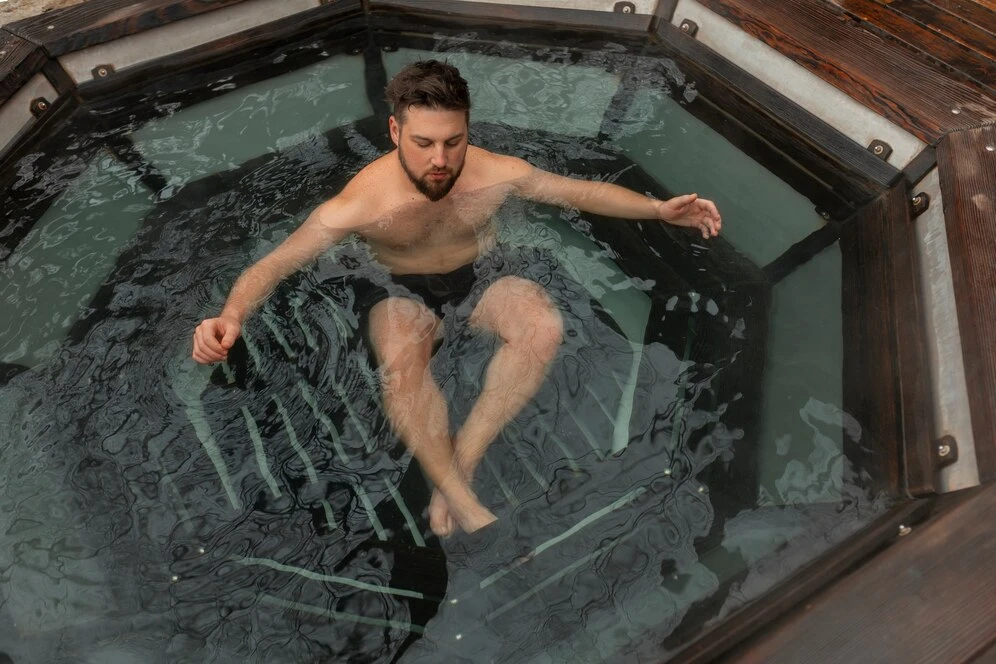

In the realm of recovery and wellness, cold plunge therapy has emerged as a powerful tool used by athletes, fitness enthusiasts, and health-conscious individuals alike. The practice of immersing the body in cold water, often referred to as a cold plunge, offers a plethora of benefits that extend beyond mere physical recovery.
This article serves as a comprehensive guide to cold plunge therapy, exploring how it works, its benefits, and tips for incorporating it into a wellness routine.
Understanding Cold Plunge Therapy
Cold plunge therapy involves submerging the body in cold water for a predetermined duration, typically ranging from a few seconds to several minutes. The temperature of the water can vary but is generally around 50°F to 59°F (10°C to 15°C). This therapeutic practice can be performed in various settings, such as dedicated cold plunge tubs, natural bodies of water, or ice baths.
The principle behind cold plunge therapy is rooted in the body’s physiological response to cold exposure. When the body encounters cold temperatures, it undergoes a series of reactions designed to preserve core temperature and maintain homeostasis. These responses can lead to numerous health benefits, making cold plunges an essential component of recovery and overall wellness.
The Benefits of Cold Plunge Therapy
1. Enhanced Recovery
One of the primary reasons individuals incorporate cold plunge therapy into their routines is its ability to enhance recovery after intense physical activity. The cold water immersion helps to reduce inflammation and swelling in the muscles and joints, promoting a quicker recovery time.
When the body is exposed to cold, blood vessels constrict, which can help limit the flow of inflammatory substances to the affected areas. Once the body returns to a normal temperature, the blood vessels dilate, allowing for increased circulation and the delivery of essential nutrients to support healing.
2. Pain Relief
Cold plunge therapy can serve as an effective natural analgesic for individuals experiencing pain or discomfort. The cold exposure numbs the nerve endings in the area, providing immediate relief from acute pain. This is particularly beneficial for athletes dealing with muscle soreness, sprains, or strains.
Additionally, the reduction of inflammation associated with cold plunge therapy can alleviate chronic pain conditions. Regular use can lead to long-term improvements in pain management, allowing individuals to maintain their active lifestyles without disruption.
3. Improved Circulation
While it may seem counterintuitive, cold plunge therapy can actually enhance circulation. The process of vasoconstriction followed by vasodilation creates a pumping effect that encourages blood flow throughout the body. This improved circulation can lead to better oxygenation of tissues and enhanced nutrient delivery.
For those who engage in regular exercise, increased circulation can aid in muscle recovery and overall performance. As blood flow improves, individuals may experience reduced fatigue and improved stamina during workouts.
4. Boosted Immune Function
Regular exposure to cold temperatures has been linked to a strengthened immune system. Cold plunge therapy can stimulate the production of white blood cells, which play a critical role in defending the body against infections and illnesses.
Research suggests that individuals who regularly engage in cold exposure may experience fewer illnesses and improved overall health. This boost in immune function can be particularly beneficial during cold and flu seasons or for those with demanding training regimens.
5. Enhanced Mental Clarity and Mood
Cold plunge therapy does not only benefit the body; it can also have a profound impact on mental well-being. Immersing oneself in cold water triggers the release of endorphins, the body’s natural mood elevators. This can lead to improved mood and a greater sense of well-being.
Furthermore, the shock of cold exposure can enhance mental clarity and focus. Many individuals report feeling more alert and energized after a cold plunge, making it an excellent addition to a wellness routine for those seeking increased productivity.
6. Stress Reduction
Cold plunge therapy can also serve as a powerful tool for stress management. The practice encourages individuals to confront discomfort and embrace the present moment, fostering resilience and mental fortitude.
The physiological response to cold exposure, including the release of stress-reducing hormones, can help individuals better cope with the challenges of daily life. By incorporating cold plunges into their wellness routines, individuals can cultivate a greater sense of calm and emotional balance.
Best Practices for Cold Plunge Therapy
To maximize the benefits of cold plunge therapy, consider the following best practices:
1. Start Slowly
For those new to cold plunges, it is essential to ease into the practice. Begin with shorter durations, such as 30 seconds to one minute, and gradually increase the time as your body becomes accustomed to the cold. Listen to your body and adjust accordingly.
2. Control the Environment
Ensure that the cold plunge environment is safe and comfortable. If using a cold plunge tub, make sure the water is at the desired temperature and that the area is free from hazards. If entering natural bodies of water, be aware of the conditions and potential risks.
3. Incorporate Breathing Techniques
Practicing controlled breathing techniques during cold plunge therapy can enhance the experience. Focus on deep, rhythmic breaths to help calm the nervous system and manage the initial shock of the cold. This mindfulness can also promote relaxation and improve the overall benefits of the therapy.
4. Follow with Warmth
After completing a cold plunge, it is important to warm up gradually. This can be done through gentle movement, warm clothing, or a warm shower. Warming the body helps to restore normal temperature and can enhance the recovery process.
5. Hydrate and Nourish
As with any recovery method, staying hydrated and properly nourished is essential. Drink water before and after your cold plunge to replenish fluids lost during exposure. Additionally, consuming a balanced meal or snack can support overall recovery and well-being.
Conclusion: Elevate Your Wellness Routine with Cold Plunge Therapy
In conclusion, cold plunge therapy offers a multitude of benefits that can significantly enhance recovery and overall wellness. From improved circulation and pain relief to boosted immune function and enhanced mental clarity, the advantages of incorporating cold plunges into a wellness routine are extensive.
For those looking to explore the benefits of cold plunge therapy further, Prime Recovery provides valuable resources and guidance on how to effectively integrate this practice into their recovery and wellness routines. By embracing the power of cold plunge therapy, individuals can take proactive steps toward achieving optimal health and enhancing their quality of life.












Sign in to leave a comment.