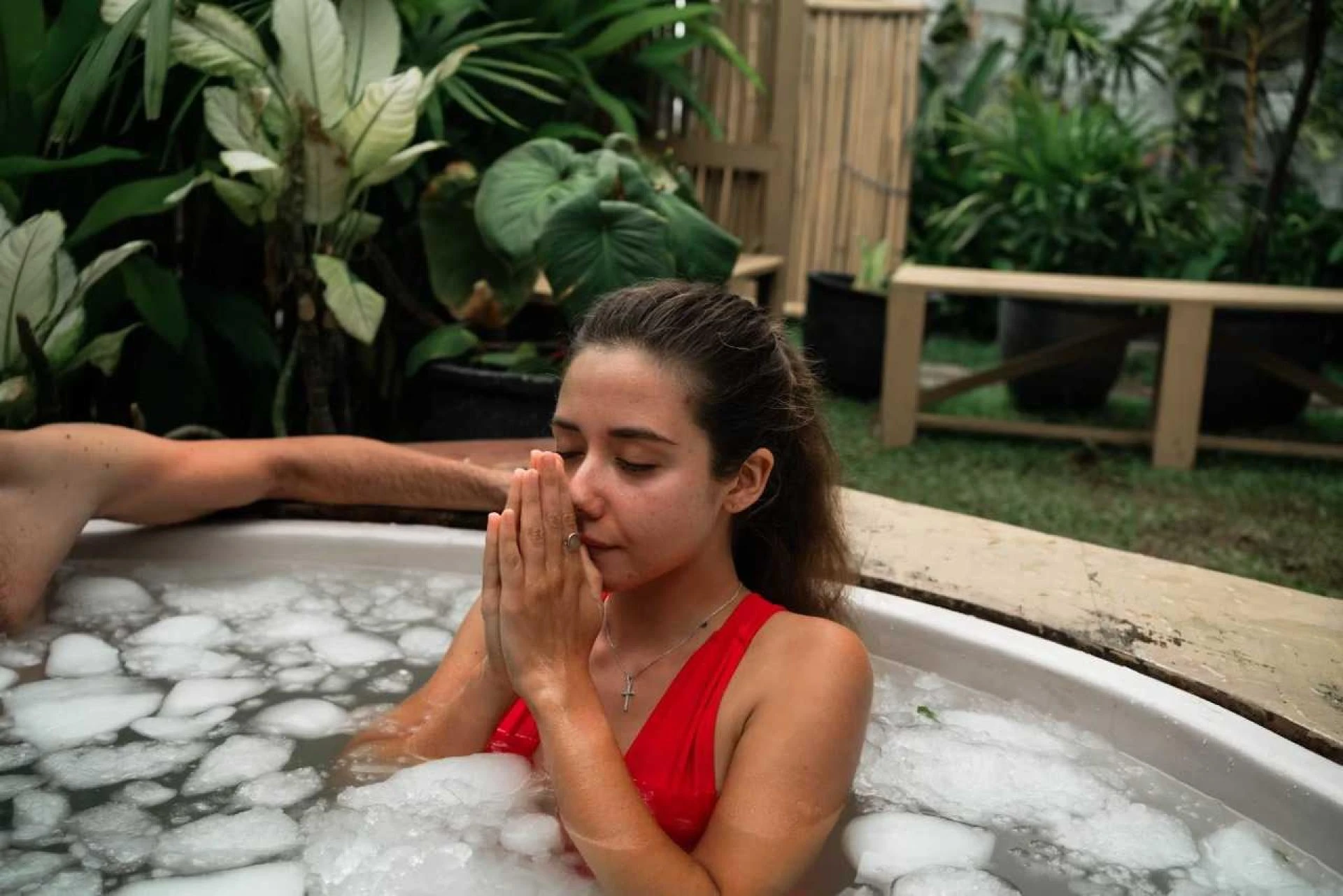

Alternating between ice baths and hot tubs has gained popularity among athletes, wellness enthusiasts, and those seeking optimal recovery. The combination of cold therapy and heat therapy—known as contrast therapy—offers numerous benefits for the body and mind. By leveraging the opposing effects of cold and heat, individuals can promote muscle recovery, enhance circulation, and even boost mental resilience.
The Science Behind Contrast Therapy
Contrast therapy involves exposing the body to extreme temperatures, typically switching between an ice bath (cold therapy) and a hot tub (heat therapy). Cold therapy constricts blood vessels, reducing inflammation and numbing pain, while heat therapy dilates blood vessels, increasing circulation and relaxing muscles. This process, when alternated, creates a pumping effect in the circulatory system, flushing out toxins and delivering oxygen-rich blood to tissues.
Key Benefits of Ice Bath and Hot Tub Therapy
1. Enhanced Muscle Recovery
One of the primary reasons athletes turn to contrast therapy is to speed up muscle recovery. Ice baths help reduce muscle soreness by minimizing inflammation, while hot tubs promote relaxation and increase flexibility. The alternating temperatures help prevent stiffness and soreness after intense physical activity.
2. Improved Circulation
The shift between hot and cold temperatures encourages blood flow throughout the body. Cold therapy constricts blood vessels, pushing blood toward the core, while heat therapy expands them, promoting fresh oxygenated blood to flow back to extremities. This improves overall circulation and cardiovascular health.
3. Reduced Inflammation and Pain Relief
Cold therapy is known for its ability to reduce swelling and inflammation, making it a go-to treatment for injuries. Heat therapy, on the other hand, soothes aches and pains by relaxing tight muscles. Together, they create a dynamic healing process that can aid those suffering from chronic pain or recovering from injuries.
4. Boosted Immune System
Frequent exposure to temperature variations has been shown to strengthen the immune system. The stress induced by cold therapy activates the body's natural defense mechanisms, while heat therapy supports detoxification and immune function.
5. Increased Mental Toughness and Stress Reduction
The shock of an ice bath requires mental resilience, training the mind to adapt to stress. Meanwhile, soaking in a hot tub induces relaxation and reduces cortisol levels, promoting an overall sense of well-being. Combining both practices can create a balance between resilience and relaxation, benefiting mental health.
How to Practice Contrast Therapy
For optimal benefits, follow these steps:
- Start with Heat – Spend 10-15 minutes in a hot tub (100-104°F) to relax muscles and open blood vessels.
- Transition to Cold – Submerge in an ice bath (50-59°F) for 2-5 minutes to constrict blood vessels and reduce inflammation.
- Repeat the Cycle – Alternate between heat and cold for 2-3 rounds, always ending with cold exposure to invigorate the body.
- Stay Hydrated – Drink water to prevent dehydration and aid the detoxification process.
Conclusion
The combination of ice baths and hot tubs offers a natural, effective way to boost recovery, improve circulation, and enhance overall well-being. Whether you're an athlete, fitness enthusiast, or someone looking for better stress management, contrast therapy can be a powerful addition to your wellness routine. Try it out and experience the benefits firsthand!












Sign in to leave a comment.