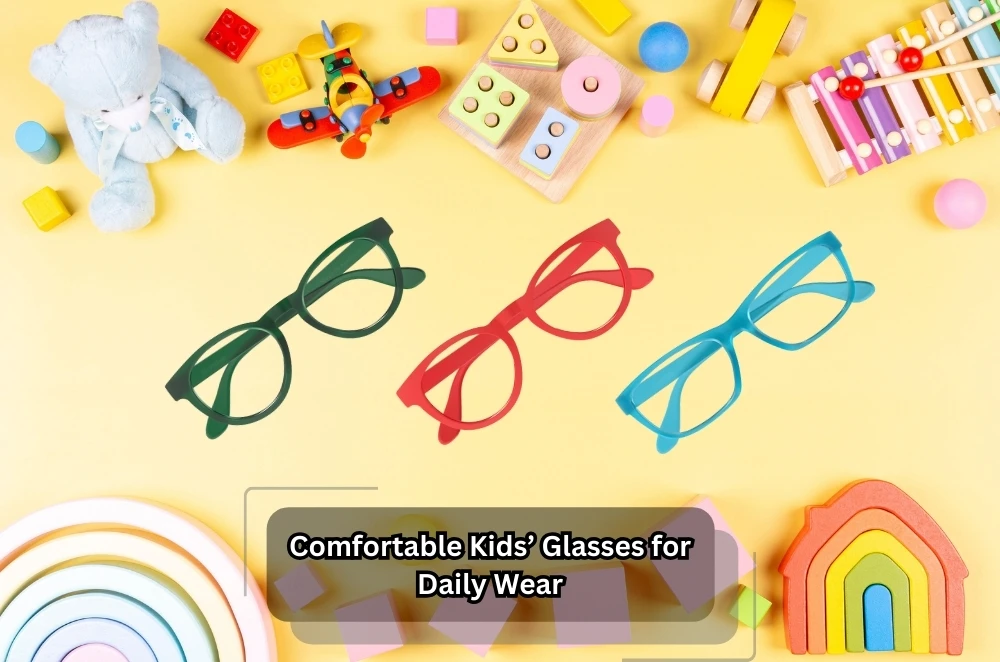

Choosing kids’ glasses shouldn’t chew up weekends or the family budget. We’re chasing frames that stay put through PE, lenses that survive the bus ride, and colours kids actually like. Prescriptions can change quickly, so value matters as much as comfort. That’s where affordable kids glasses for all ages in Canada come into play, keeping costs sensible without skimping on durability. We look for light frames, soft bridges, and flexible hinges that bounce back after rough-and-tumble days. When glasses feel comfortable, kids forget they’re wearing them. Vision sharpens, focus returns, and confidence follows. Small wins stack up: fewer headaches, clearer whiteboards, and calmer homework across the week—without drama.
How should kids’ glasses fit?
They should sit level, feel light on the bridge, and not slip during movement. Temples need to follow the ear line without pinching.
A good fit begins with a bridge that complements softer facial features, followed by a gentle curve behind the ears for added stability. Frames shouldn’t brush lashes or leave dents on the nose. Try the quick test: look down, jump, grin—no sliding allowed. Spring hinges help frames survive lunch-time chaos. Lightweight, hypoallergenic materials help reduce skin flare-ups, making them particularly useful in summer heat. Clinicians and paediatric eye-care bodies consistently note that comfort drives wear time; if glasses don’t bug kids, they’ll actually use them.
• Soft-touch bridges reduce red marks
• Spring hinges survive playground knocks
• Curved temples improve grip behind ears
• Coverage wide enough without lash contact
Which lenses work best for school and sports?
Impact-resistant lenses, such as polycarbonate or Trivex, are the safest everyday choice. Add UV protection and a hard coat for durability.
Kids are hard on gear, so shatter resistance takes precedence over marginal optical gains. Polycarbonate and Trivex handle knocks and block UV—a combo widely backed by paediatric ophthalmology groups. An anti-reflective coating helps reduce whiteboard glare and nighttime halos. Blue-light filtering can help with late-evening device use, but it’s optional, not a cure-all. Keep prescriptions current; eyesight changes quickly. And clean properly with a microfibre cloth and lens spray. Shirts and tissues? Tiny sandpaper, basically. For outdoor sports, pair lenses with a hat and sunscreen—public health advice from bodies like the Cancer Council and WHO keeps emphasising this for good reason.
How can we encourage kids to wear them every day?
Lead with comfort, then let kids pick colours and shapes they actually like. Keep a straightforward routine and back it with praise.
Limit the menu, two or three shapes, a handful of colours—so decisions don’t drag. Make glasses part of your morning routine: same shelf, quick wipe, and case in the bag. If sports are a big deal, consider adding a strap to alleviate the “what if they fall off?” worry. Teachers can help with quiet reminders after recess. Consistent wear links to better classroom focus; uncorrected vision has been tied to learning hiccups in education and health research, so routines really matter.
• Limit choices to reduce fuss
• Match frames to hobbies and sports
• One cleaning routine, every morning
• Label the case and keep it handy
Conclusion
Nail the fit, choose rigid lenses, and let personality lead the styling—do that and kids actually wear their specs. Keep it practical, comfy, and affordable so replacements don’t sting. The payoff is sharp vision, steadier study, and safer play. For a quick extra perspective on balancing function and style, try choosing the right kids’ glasses.








Sign in to leave a comment.