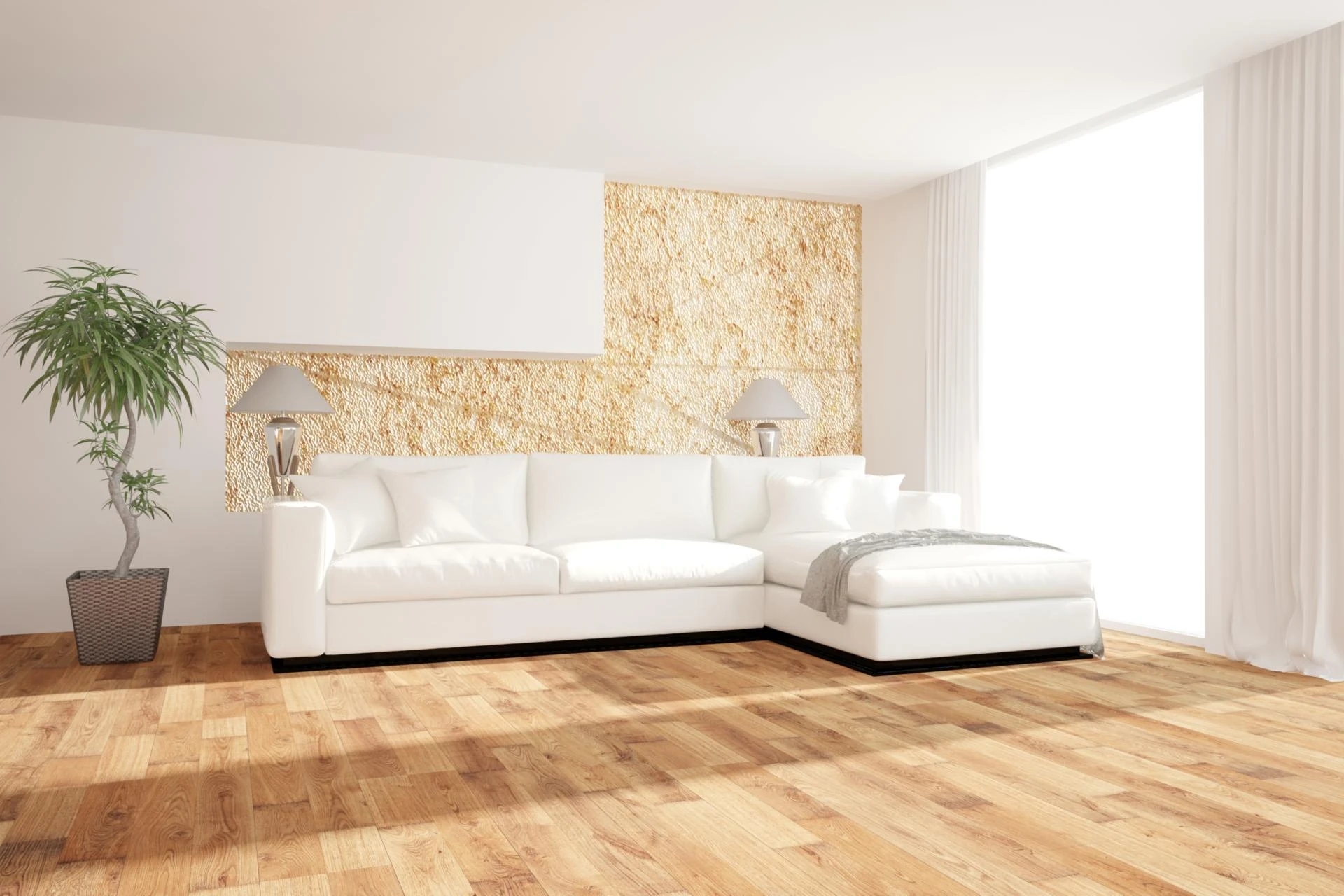

Hospitals and healthcare facilities are more than just buildings – they are healing spaces. Every detail, from lighting to airflow, plays a part in patient wellness. But one element often overlooked yet always underfoot is flooring. Flooring does more than complete the interior, especially in a place where hygiene, durability, and safety are non-negotiable.
Choosing the right type of flooring is just half the battle. The second and equally important half is maintaining it properly. Clean and well-maintained flooring not only looks professional but also helps in infection control and reduces the risk of slips.
Let’s first take a look at what types of flooring are ideal for healthcare environments and then focus on commercial flooring maintenance.
Best Flooring Types for Healthcare Spaces
Before diving into maintenance, it helps to know which flooring materials are typically used in healthcare environments due to their performance under strict conditions:
Luxury Vinyl Tile (LVT)
Luxury Vinyl Tile has surged in popularity for a good reason. It strikes a fine balance between form and function, mimicking natural materials such as wood or stone. This option also offers incredible durability.
Sheet Vinyl Flooring
In areas that require sterile environments, such as operating rooms or laboratories, Sheet Vinyl is the gold standard. This option has fewer seams and minimizes spaces for bacteria and pathogens to hide.
Rubber Flooring
For resilience and comfort, rubber flooring is gaining popularity in healthcare. It absorbs sound, reduces foot fatigue, and offers slip resistance even when wet. Its naturally non-porous nature helps with infection control.
Epoxy Flooring
Epoxy coatings are often applied over concrete for a rugged and non-slip surface. This flooring option creates a seamless and non-porous surface ideal for maintaining sterile environments.
How to Maintain Commercial Flooring in Healthcare Facilities
Once the right flooring is installed, maintenance becomes a daily priority. Not just for appearance—but for infection control, longevity, and safety. Here’s how to keep each flooring type in peak condition without disrupting operations.
Daily Cleaning Is a Health Protocol
Healthcare floors face constant foot traffic—from patients in wheelchairs to nurses in a rush. This means dust, fluids, and contaminants accumulate faster than in other commercial environments. A daily cleaning schedule is not optional; it's essential.
Always do dust mopping and vacuuming to prevent buildup of allergens and dirt. Disinfectant mopping helps stop the spread of bacteria and viruses. Spot cleaning for spills helps reduce slip risks and to avoid stain damage.
Professional Maintenance Prevents Small Issues from Escalating
Cracks, bubbles, or lifting seams are not just cosmetic problems. In a hospital, they can become hazards or breeding grounds for bacteria. Professionals know how to spot early signs of wear during regular inspections and address them immediately.
Seam resealing can prevent moisture intrusion. Professionals also use patch repairs for vinyl tears or rubber divots — topcoat reapplications for LVT to restore the wear layer.
Infection Control is Baked Into Every Step
Hospital-acquired infections (HAIs) are a serious concern, and floors are part of the solution. Professional maintenance teams follow strict protocols to reduce cross-contamination.
Professionals use color-coded tools for different zones (e.g., red for restrooms and blue for patient areas). They adhere to cleaning-from-clean-to-dirty workflows. Disposable mop heads and microfiber cloths are frequently replaced. It enables the practical application of EPA-approved disinfectants that target bacteria, fungi, and viruses.
Emergency Response and Flexibility
Spills, leaks, and biohazards don’t wait for business hours. Commercial flooring maintenance services offer 24/7 availability for emergency cleanup situations, minimizing operational downtime and protecting staff and patients
They can also schedule deep cleaning during low-traffic hours—such as overnight shifts—to ensure healthcare operations continue without disruption.
Preventive Measures Save Time and Money
A proactive maintenance strategy can reduce long-term costs and extend the life of your flooring.
Installing mats at entrances reduces dirt, moisture, and bacteria being tracked inside. Use chair pads and floor protectors to prevent scratching and gouging from wheeled equipment and furniture.
Cost-Effective Over Time
Yes, hiring professionals may seem like a bigger upfront investment, but it pays off long term. Routine professional maintenance:
Extends floor life by years.
Reduces repair and replacement costs.
Minimizes legal liabilities from falls or infections.
Maintains a polished, welcoming environment that supports patient comfort.
It’s about prevention over reaction—because in healthcare, waiting until something breaks is never the right approach.
Partnering for a Safer and Cleaner Future
In healthcare environments, every surface matters—but none more so than the floors. Clean, safe, and durable flooring sets the tone for patient trust, staff performance, and overall facility hygiene. While choosing the right flooring material is a crucial step, proper maintenance is the backbone of both performance and safety.
Commercial flooring maintenance companies bring their expertise and tools to meet healthcare standards every single day. From infection control to cosmetic appeal, their role is crucial in supporting the mission of care and cleanliness in hospitals and clinics.










Sign in to leave a comment.