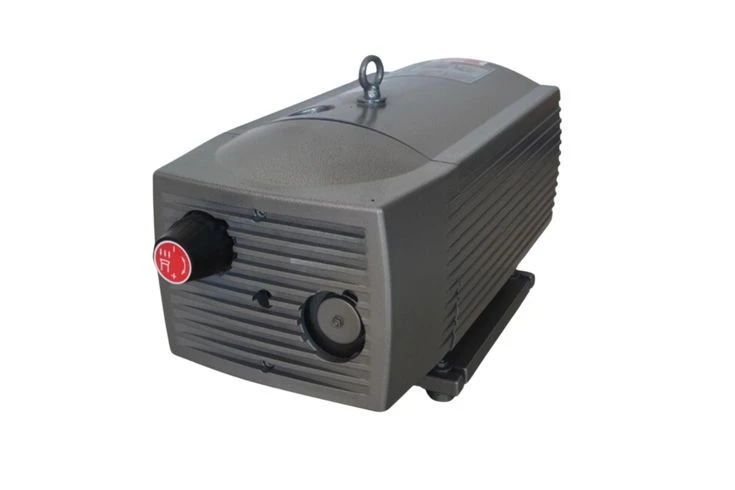

Rotary vane pumps are widely valued across industries for their efficiency, durability, and ability to deliver reliable vacuum performance. From laboratories and medical devices to packaging, printing, and semiconductor manufacturing, these pumps play a critical role. However, like any mechanical system, rotary vane pumps can encounter certain challenges during operation. Identifying these issues early and knowing how to address them is key to ensuring smooth, long-term performance.
In this blog, we’ll explore the most common challenges faced when using rotary vane pumps and share practical solutions to overcome them.
1. Loss of Vacuum Pressure
Problem:
One of the most frequently reported issues is a gradual or sudden loss in vacuum level, which can impact process consistency and efficiency.
Causes:
- Worn or damaged vanes
- Oil contamination or degradation
- Air leaks in the system
- Blocked or dirty filters
Solutions:
- Inspect and replace vanes as needed
- Change the pump oil regularly and use the correct type
- Perform a leak check on the entire vacuum system
- Clean or replace filters to maintain proper airflow
2. Excessive Noise or Vibration
Problem:
Unusual noise or vibration during operation can indicate internal wear or imbalance.
Causes:
- Misaligned components
- Damaged rotor or vanes
- Inadequate lubrication
- Contamination in the pump chamber
Solutions:
- Ensure proper alignment and secure mounting
- Inspect internal parts for wear and replace if necessary
- Maintain correct oil levels and change oil on schedule
- Flush and clean the pump chamber if contamination is detected
3. Overheating
Problem:
If the pump runs hotter than usual, it can lead to component failure and reduced efficiency.
Causes:
- Insufficient oil or degraded oil
- Blocked cooling vents
- Running the pump under excessive load for long periods
Solutions:
- Check and refill oil to the recommended level
- Use high-quality oil suited to operating conditions
- Clean cooling fins and ensure proper ventilation
- Avoid overloading the pump beyond its rated capacity
4. Oil Leakage
Problem:
Leaking oil not only creates mess but can also result in lubrication failure and pump damage.
Causes:
- Worn seals or gaskets
- Overfilled oil chamber
- Improper handling or installation
Solutions:
- Replace faulty seals or gaskets
- Fill oil to the manufacturer’s recommended level
- Handle and install the pump according to the user manual
5. Frequent Maintenance Requirements
Problem:
Operators may find themselves performing maintenance more frequently than expected.
Causes:
- Operating in harsh environments (dusty, humid, corrosive)
- Poor quality oil or incorrect oil type
- Ignoring early warning signs of wear
Solutions:
- Use filters and traps to reduce contamination
- Choose high-grade, manufacturer-recommended oil
- Establish a regular preventive maintenance schedule
Final Thoughts
Rotary vane pumps are built for longevity and performance, but like any precision equipment, they require proper care. By understanding the common challenges and applying these preventive measures, you can minimize downtime, reduce repair costs, and keep your system running efficiently.
Staying proactive in your maintenance approach not only extends the life of your rotary vane pump but also ensures consistent performance in critical industrial operations.










Sign in to leave a comment.