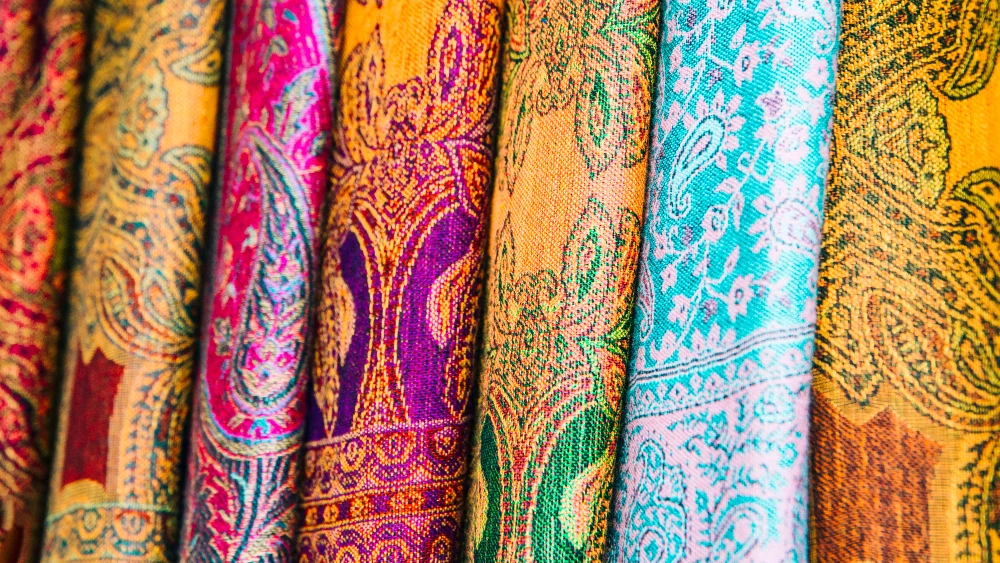

First-time buying of antique tapestries can be a thrill. The fabric art literally brings the past, skill, and individuality to a place, and thus, it is incomparable with other decorative pieces. However, new buyers are often so caught up with their excitement that they miss the essential details.
Without the proper insight, you can make mistakes that cost you in both value and durability. To be aware of these mistakes is like having a shield of protection when you step into the market of antique tapestries.
Overlooking the Condition and Structure of the Tapestry
It is a familiar error of a first-time purchaser to take for granted that there are no damages hidden under the surface. A little fading and mild wear a normal things; however, structural problems are what really matter most.
What to check:
- Large rips or splits that reduce the strength of the item
- Fabric that is brittle or mummified due to age or has been stored poorly
- Uneven repairs or areas that have been reinforced
Most buyers only look at the front design and thereby miss the most expensive issues that are underneath. Both the front and back should be inspected thoroughly, and if you notice any repairs or restoration work, talk to the dealer.
Not Inquiring About Origin
Origin is the complete and detailed lifeline of ownership. It is also one of the attributes that a beginner buyer is most likely to overlook. An antique tapestries with confirmed provenance is more reliable and usually has a higher market price.
Buyers who do not understand the significance of this point may end up purchasing a piece without knowing its origin. Make it a rule to ask the dealer for the provenance documents, previous owners, if any, and auction records when they are available.
Choosing Size Without Measuring the Space
Without thinking about the place where the item will be, many buyers take it for granted that a piece is flawless. Old antique tapestry wall hangings, will require not only sufficient space but also the right kind of space, which is both visually and physically, to be able to get the full value of them.
In order to guard against such mishaps in display, one should:
- Measure the wall thoroughly before buying
- Consider the height of the ceiling
- Think of lighting to bring out the colors and the details
- Be sure that the size of the tapestry is the one that matches the proportions of the room.
Focusing Only on Price
Though money matters, the lower price is not always the best choice. Incredibly low prices can be a sign of restoration done to an extent, poor condition, or even pieces that are not genuine. First-time buyers are sometimes in such a hurry to spend less that they ignore the question of quality, and as a result, they forgo better long-term value.
Conclusion
First-time buyers who avoid these errors are the ones who take the safest route to their investment and then get to have all the pleasure with their newly bought investment.
As a first-time buyer, by being alert to factors like authenticity, condition, provenance, and care, you will be able to confidently pick out antique tapestry wall hangings that not only bring you aesthetic pleasure but also offer you cultural value and timeless elegance.










Sign in to leave a comment.