

As the demand for effective hair removal solutions continues to grow, many individuals are turning to advanced technologies like laser hair treatment Leeds. This method is lauded for its long-lasting results and efficiency, making it a popular choice for those seeking a more permanent solution to unwanted hair. However, with any medical procedure, questions and concerns often arise. This article aims to address some of the most common questions about laser hair treatment, providing insights from experts in the field.
What Is Laser Hair Treatment?
Laser hair treatment is a cosmetic procedure that uses concentrated beams of light to target and destroy hair follicles. The laser emits a specific wavelength of light that is absorbed by the pigment (melanin) in the hair. Once absorbed, the light energy is converted into heat, which damages the follicle and inhibits its ability to grow new hair. This treatment can be performed on various body parts, including the face, legs, underarms, and bikini area.
How Does Laser Hair Treatment Work?
The efficacy of laser hair treatment lies in its underlying technology. The procedure works through a process known as selective photothermolysis, which involves these key components:
- Wavelength Selection: Different types of lasers emit different wavelengths of light, which can be tailored to target specific hair types and skin tones. For instance, the Alexandrite laser is often used for lighter skin tones, while the Nd:YAG laser is better suited for darker skin.
- Cooling Mechanisms: To enhance patient comfort and protect the surrounding skin, many laser systems incorporate cooling features. These may include cryogen sprays, contact cooling devices, or chilled gels applied to the skin before and after treatment.
- Hair Growth Cycles: Hair grows in three phases: anagen (growth), catagen (transitional), and telogen (resting). Laser hair treatment is most effective during the anagen phase when the hair is actively growing and connected to the follicle. This is why multiple sessions are necessary, as not all hair follicles are in the same phase simultaneously.
Is Laser Hair Treatment Safe?
Safety is a primary concern for anyone considering a cosmetic procedure. Laser hair treatment is generally regarded as safe when performed by qualified professionals. Experts emphasize the importance of consulting with a trained practitioner who can evaluate individual skin types and hair colors to determine the most suitable laser for treatment.
While side effects are minimal, some patients may experience temporary redness, swelling, or discomfort following treatment. These effects typically subside within a few hours. As with any medical procedure, patients should disclose their medical history and any medications they are taking to ensure safety.
How Many Sessions Are Required?
The number of sessions required for optimal results can vary significantly from person to person and depends on several factors, including:
- Hair Color and Thickness: Darker, coarser hair tends to respond better to laser treatment because it contains more melanin for the laser to target. Lighter hair colors may require more sessions to achieve satisfactory results.
- Area Being Treated: Larger areas, such as the back or legs, may require more sessions compared to smaller areas like the upper lip or underarms.
- Hair Growth Cycle: Since hair grows in cycles, multiple sessions are necessary to ensure that all hair follicles are treated during their active growth phase. Typically, patients may need anywhere from four to eight sessions to see significant hair reduction.
What Can Patients Expect During a Treatment Session?
Understanding what to expect during a laser hair treatment session can help alleviate any anxiety. The process generally involves the following steps:
- Pre-Treatment Consultation: Before beginning treatment, patients will meet with a qualified practitioner to discuss their goals, medical history, and any concerns. This consultation allows for a tailored treatment plan.
- Preparation: On the day of the treatment, patients should arrive with clean, shaved skin in the treatment area. It is also advisable to avoid sun exposure and tanning products for several weeks before the procedure.
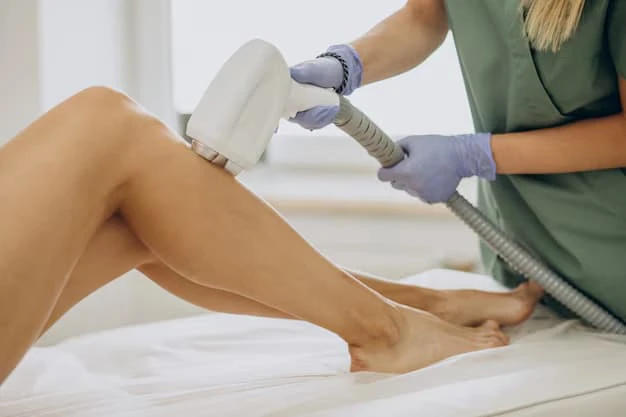
- During the Treatment: Patients will wear protective eyewear to shield their eyes from the laser light. The practitioner will apply a cooling gel or device to the treatment area for comfort. The laser will then be passed over the skin in a grid-like pattern, with each pulse taking only a fraction of a second.
- Post-Treatment Care: After the session, mild redness or swelling may occur, similar to a sunburn. Practitioners typically provide aftercare instructions, which may include avoiding sun exposure and using soothing creams.
How Long Do Results Last?
One of the most appealing aspects of laser hair treatment is its long-lasting results. While individual experiences may vary, many patients report a significant reduction in hair growth after completing their treatment sessions. Some may experience permanent hair loss in treated areas, while others may require occasional maintenance sessions to keep results optimal.
Factors that can influence the duration of results include hormonal changes, genetics, and individual hair growth patterns. Regular follow-up appointments allow practitioners to assess hair regrowth and determine if additional treatments are necessary.
Are There Any Contraindications?
While laser hair treatment is safe for most individuals, certain contraindications exist. These may include:
- Pregnancy: Pregnant individuals are often advised to postpone laser treatments due to hormonal fluctuations and potential risks to the fetus.
- Skin Conditions: Individuals with active skin infections, rashes, or conditions such as eczema may need to wait until their skin is healed before undergoing treatment.
- Tanning: Tanned skin, whether from sun exposure or tanning beds, can increase the risk of complications. Patients should avoid tanning for at least two weeks before treatment.
- Medications: Certain medications, such as those that increase photosensitivity, may affect the safety of laser hair treatment. Patients should discuss all medications with their practitioner during the consultation.
How Should Patients Prepare for Laser Hair Treatment?
Preparation plays a crucial role in ensuring a successful laser hair treatment experience. Here are some essential tips for patients to follow:
- Avoid Sun Exposure: Protect the treatment area from sun exposure for at least two weeks before the procedure. This helps minimize the risk of complications and ensures optimal results.
- Shave the Area: Patients should shave the hair in the treatment area a day or two before their appointment. This allows the laser to effectively target the hair follicles without interference from surface hair.
- Skip Other Hair Removal Methods: Avoid waxing, plucking, or using depilatory creams for at least four weeks before treatment, as these methods can disrupt the hair growth cycle.
- Discuss Medical History: Be open about any medical conditions, medications, or skin concerns during the consultation. This information helps practitioners tailor the treatment plan for safety and efficacy.
Conclusion
Laser hair treatment has emerged as a revolutionary solution for individuals seeking an effective and long-lasting method of hair removal. By addressing common questions and concerns, individuals can make informed decisions about this procedure and feel confident in their choice. The technology behind laser hair treatment, combined with the expertise of qualified practitioners, ensures that patients can achieve their desired results safely and effectively.
If you are considering laser hair treatment and are ready to take the first step toward achieving smoother, hair-free skin, reach out to Este Medical Group Leeds. Discover how this innovative treatment can transform your hair removal journey—contact Este Medical Group Leeds today to schedule your consultation and embrace a new level of confidence!










Sign in to leave a comment.