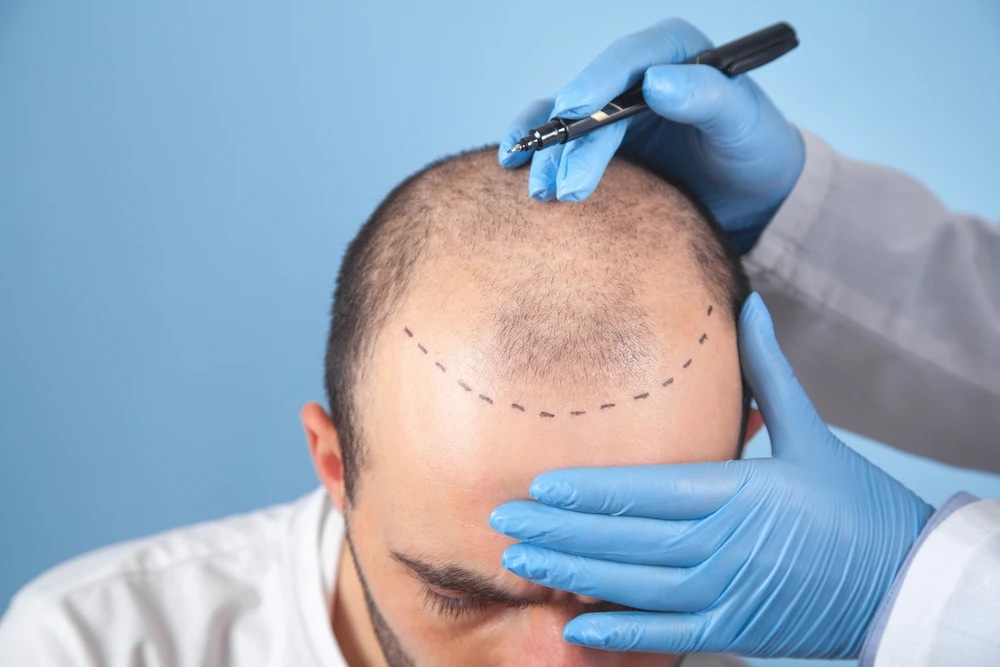

What Is Hair Transplant?
Hair transplant is a specialized medical procedure used to restore hair growth in areas affected by thinning or baldness. The process involves transferring healthy hair follicles from a donor area to the balding or thinning region.
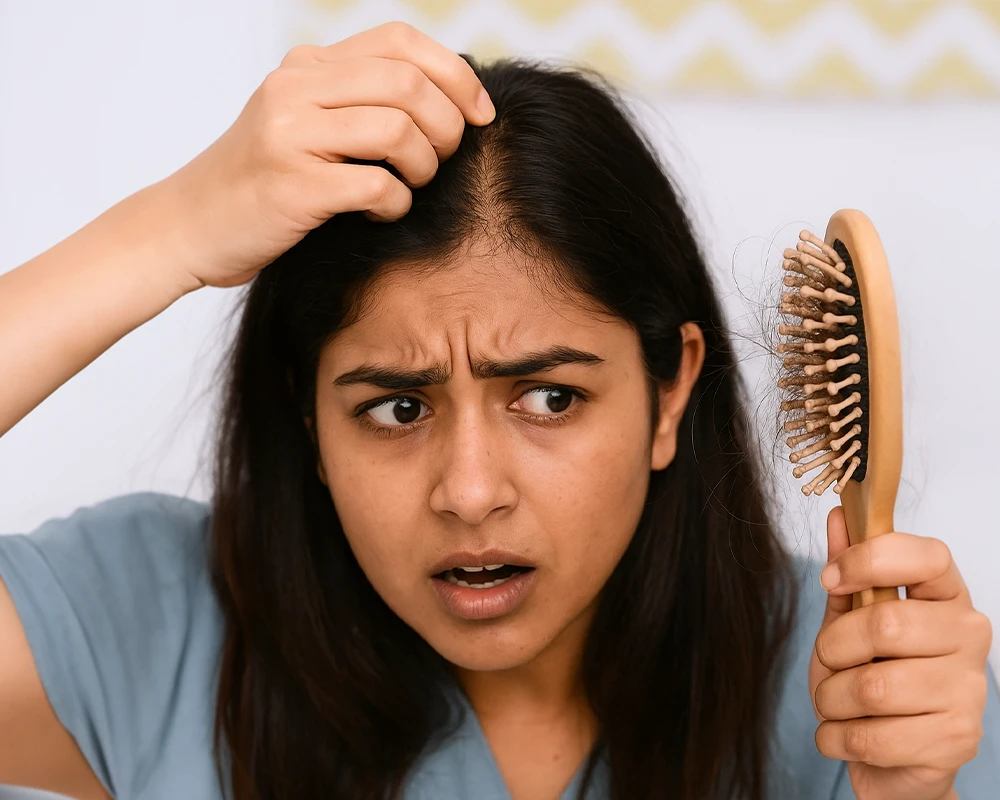
Hair loss affects millions of people worldwide and is most commonly linked to genetic conditions such as androgenetic alopecia, also known as male or female pattern baldness.
Hair transplantation works by redistributing existing hair follicles, allowing new hair to grow naturally in previously bald areas.
This procedure is widely used for:
- Receding hairline correction
- Crown baldness treatment
- Beard and eyebrow restoration
- Scar-related hair loss
The results are natural-looking, long-lasting, and highly effective when performed by skilled specialists.
Hair Transplant Cost Explained
Understanding the hair transplant cost helps patients plan their treatment effectively.
Hair transplant pricing depends mainly on the number of grafts required for complete coverage. Each graft contains one to four hair follicles.
Factors That Influence Hair Transplant Cost
Extent of Hair Loss
Larger bald areas require more grafts, which increases the total cost.
Hair Density Goals
Patients seeking higher density may require additional grafts.
Technology and Techniques Used
Advanced techniques such as FUE hair transplant often require specialized equipment and skilled surgeons.
Experience of the Hair Transplant Surgeon
Clinics with experienced doctors ensure precision implantation and natural hairline design, which plays a major role in treatment success.
Hair Transplant Procedure Overview
The hair transplant procedure is performed under local anesthesia, making the process comfortable for patients.
1. Scalp Examination
The treatment begins with a detailed scalp analysis to determine the pattern of hair loss and the quality of donor hair.
2. Donor Hair Extraction
Healthy hair follicles are extracted from the back or sides of the scalp, areas that typically resist hair loss.
3. Preparation of Hair Grafts
The extracted follicles are carefully separated into individual grafts containing one to four hairs.
4. Hairline Design
Doctors design a natural hairline based on facial structure, age, and future hair loss patterns.
5. Implantation of Grafts
The prepared grafts are implanted into tiny incisions made in the bald areas. This step requires high precision to ensure natural hair growth direction.
Hair Transplant Before and After Results
The transformation seen in hair transplant before and after results is often dramatic.
Early Stage
After the procedure, small scabs may appear around the transplanted follicles. These typically heal within a week.
Temporary Hair Shedding
Around 2 to 4 weeks after the procedure, transplanted hair may shed temporarily. This phase is normal and part of the natural growth cycle.
New Hair Growth
New hair begins growing within three to four months, gradually increasing in thickness and density.
Final Results
By 9 to 12 months, patients usually experience full hair growth with natural density and improved hairline structure.
Hair Transplant Side Effects
Hair transplant procedures are generally safe, but some temporary side effects may occur.
Common Side Effects
- Mild scalp swelling
- Redness or itching
- Small scabs around transplanted follicles
- Temporary numbness in donor area
These effects usually resolve quickly as the scalp heals.
Preventing Complications
Choosing an experienced hair transplantation clinic significantly reduces the risk of complications and ensures smooth recovery.
Is Hair Transplant Safe?
Hair transplantation is widely recognized as a safe and reliable cosmetic procedure.
Safety is ensured through:
- Sterile surgical environments
- Local anesthesia techniques
- Advanced follicle extraction methods
- Skilled medical professionals
Since the treatment uses your own hair follicles, there is minimal risk of rejection or allergic reaction.
Proper post-procedure care and following doctor instructions ensure safe healing and optimal results.
Is Hair Transplant Permanent?
One of the most important benefits of hair transplantation is its long-term permanence.
The transplanted hair follicles come from areas that are genetically resistant to hair loss, which means they continue growing naturally even after transplantation.
This makes hair transplant one of the most reliable permanent solutions for hair restoration.
While transplanted hair is permanent, maintaining overall scalp health through proper care helps preserve the results for many years.
How to Find the Best Hair Transplant Near Me
Searching for hair transplant near me often leads to many clinics, but selecting the right one requires careful consideration.
Important Factors to Evaluate
- Certified hair transplant specialists
- Proven before-and-after results
- Modern surgical technology
- Personalized treatment planning
- Transparent consultation process
A trusted clinic focuses on natural hairline design, optimal graft survival, and long-term patient satisfaction.
Why Choose a Professional Hair Transplantation Clinic
A specialized hair transplantation clinic provides expertise that significantly improves treatment outcomes.
Professional clinics offer:
- Advanced hair restoration technologies
- Experienced medical teams
- Safe surgical environments
- Customized hair restoration plans
- Long-term follow-up support
Choosing the right clinic ensures natural hair density, minimal side effects, and permanent results.
Conclusion: The Future of Hair Restoration
Hair loss no longer has to be permanent. With modern medical technology, hair transplant procedures provide a safe, natural, and lasting solution for baldness.
Patients who undergo hair transplantation can enjoy:
- Permanent hair restoration
- Natural hairline appearance
- Improved self-confidence
- Long-term hair growth
With proper consultation, skilled specialists, and advanced techniques, hair transplant continues to be one of the most effective treatments for hair loss worldwide.
For More Details: https://www.vcaretrichology.com/hair-transplant.php










Sign in to leave a comment.