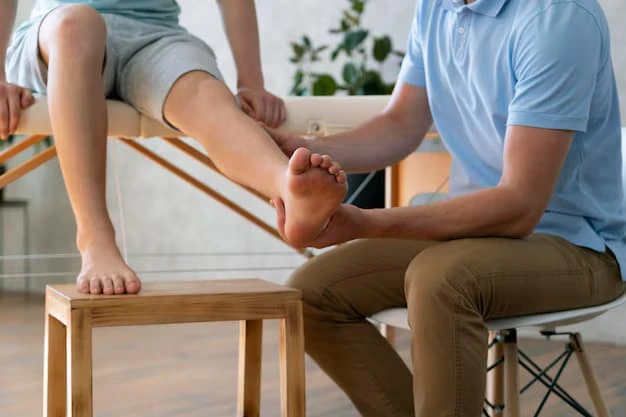

Foot drop is a condition that affects a person’s ability to lift the front part of the foot. This difficulty can interfere with walking, balance, and overall mobility. The management of foot drop focuses on identifying the underlying cause, improving movement, preventing complications, and supporting long term function. This comprehensive guide explains the condition in detail and explores the most effective approaches to the management of foot drop using a structured and practical framework.
Understanding Foot Drop
Foot drop is not a disease itself but a symptom of an underlying neurological, muscular, or anatomical issue. It commonly results from weakness or paralysis of the muscles responsible for lifting the foot and toes. As a result, the individual may drag the foot while walking or lift the knee higher than normal to compensate.
Common Causes of Foot Drop
The management of foot drop begins with understanding its root cause. Several factors can contribute to the condition.
Nerve injury is one of the most frequent causes. Damage to the peroneal nerve, which controls the muscles that lift the foot, can lead to foot drop. This damage may occur due to trauma, prolonged pressure, or surgical complications.
Neurological conditions such as stroke, multiple sclerosis, and motor neuron disorders can also impair nerve signals to the muscles involved in foot movement. In these cases, foot drop may appear suddenly or progress over time.
Muscle disorders, including muscular dystrophy or inflammatory muscle diseases, may weaken the muscles needed for proper foot control. Structural issues involving the spine, such as herniated discs, can compress nerves and contribute to the condition.
Symptoms and Functional Impact
The most noticeable symptom is difficulty lifting the front of the foot. This can lead to frequent tripping, an altered walking pattern, and fatigue. Some individuals experience numbness or tingling in the lower leg or foot. Over time, untreated foot drop can increase the risk of falls and limit participation in daily activities.
Importance of Early Diagnosis
Early diagnosis plays a critical role in the management of foot drop. Identifying the underlying cause allows for targeted treatment and better outcomes. Delayed intervention may result in muscle tightening, joint stiffness, and long term mobility limitations.
Diagnostic Evaluation
A thorough clinical assessment is essential. Health professionals typically begin with a physical examination to evaluate muscle strength, reflexes, and gait. Imaging studies such as magnetic resonance imaging or computed tomography may be used to identify nerve compression or structural abnormalities.
Electromyography and nerve conduction studies can help determine the extent and location of nerve damage. Blood tests may also be performed to rule out metabolic or inflammatory causes.
Non Surgical Approaches to the Management of Foot Drop
Many cases of foot drop can be effectively managed through conservative methods. These approaches aim to improve function, enhance safety, and support recovery.
Physical Therapy and Exercise
Physical therapy is a cornerstone of the management of foot drop. A tailored exercise program focuses on strengthening weakened muscles, improving flexibility, and enhancing balance. Therapists may also work on gait training to help individuals walk more efficiently and safely.
Stretching exercises are particularly important to prevent stiffness in the ankle and calf muscles. Strengthening exercises target the muscles responsible for dorsiflexion, which is the upward movement of the foot.
Orthotic Support
Orthotic devices are commonly used in the management of foot drop. An ankle foot orthosis helps hold the foot in a neutral position, preventing it from dragging during walking. This support can significantly improve stability and reduce the risk of falls.
Orthoses are available in various designs and materials. The choice depends on the severity of the condition, lifestyle needs, and comfort preferences. Proper fitting and regular reassessment are essential for optimal benefit.
Functional Electrical Stimulation
Functional electrical stimulation is another option in the management of foot drop. This technique uses electrical impulses to stimulate the nerves and muscles responsible for lifting the foot during walking. It can help improve gait pattern and muscle activation in certain individuals.
This approach is often used alongside physical therapy and may be suitable for people with specific neurological conditions.
Medical Management Options
In some cases, medical interventions may be necessary as part of the management of foot drop.
Medication and Underlying Conditions
When foot drop is caused by inflammation, infection, or an autoimmune condition, medication may help address the underlying issue. Reducing inflammation or controlling disease activity can improve nerve function and muscle strength.
Pain management may also be considered if discomfort interferes with movement or rehabilitation.
Monitoring and Follow Up
Regular follow up is important to monitor progress and adjust the management plan as needed. Changes in symptoms, improvement in strength, or the development of new issues should be addressed promptly.
Surgical Considerations in the Management of Foot Drop
Surgery is generally considered when conservative treatments fail or when there is a clear structural cause that can be corrected.
Types of Surgical Procedures
Nerve decompression surgery may be performed if a nerve is compressed by surrounding tissue. In cases of severe nerve damage, nerve repair or grafting may be considered.
Tendon transfer surgery is another option. This procedure involves rerouting a functioning tendon to replace the action of a weakened muscle. It can improve foot lifting ability and overall gait.
Recovery and Rehabilitation
Post surgical rehabilitation is a vital component of the management of foot drop. Physical therapy helps restore strength, flexibility, and coordination. Recovery time varies depending on the procedure and individual factors, but consistent rehabilitation is key to achieving the best outcome.
Lifestyle Strategies and Daily Management
Effective management of foot drop extends beyond clinical treatment. Daily strategies can enhance safety and independence.
Home and Environmental Modifications
Simple changes in the home environment can reduce the risk of falls. Removing loose rugs, improving lighting, and installing handrails can make daily movement safer. Wearing supportive footwear also plays an important role.
Activity Modification and Support
Individuals may need to modify certain activities to accommodate their condition. Using assistive devices when needed and pacing activities can help conserve energy and prevent strain.
Education and support are essential components of long term management. Understanding the condition empowers individuals to participate actively in their care and make informed decisions.
Long Term Outlook and Prognosis
The prognosis for foot drop varies depending on the underlying cause and the timeliness of treatment. Some individuals experience significant improvement or complete recovery, especially when nerve injury is mild and addressed early.
In chronic or progressive conditions, the focus of management of foot drop is on maintaining function, preventing complications, and enhancing quality of life. Ongoing therapy and adaptive strategies can support long term mobility.
Psychological and Emotional Considerations
Living with foot drop can affect emotional wellbeing. Frustration, anxiety, or reduced confidence may arise due to mobility challenges. Addressing these aspects is an important part of comprehensive care.
Encouragement, counseling, and peer support can help individuals adjust and remain engaged in daily life. A positive outlook and realistic goals contribute to better overall outcomes.
Conclusion
The management of foot drop requires a comprehensive and individualized approach that addresses the underlying cause, improves physical function, and supports daily living. Through early diagnosis, appropriate therapy, supportive devices, and when necessary surgical intervention, many individuals can achieve meaningful improvements in mobility and quality of life. With the right guidance and care, long term outcomes can be significantly enhanced. For professional support and expert guidance in managing foot drop and improving movement, Pure Running is committed to helping individuals regain confidence and mobility.
title:Complete Guide to the Management of Foot Drop Keyword:Management of Foot Drop Business Name:Ler Magazine Instructions: "I need an article of more than 1000 words based on the above title. The article should be written in a third-person perspective, plagiarism-free, and naturally optimized using the keyword provided. Use H2 headings for main sections and H3 subheadings for supporting details. Do not mention any company or brand name in the main body of the article. Write in a helpful, engaging, and informative style. Do not use horizontal lines. Don't use any dashes ( — ) in the content. please provide our business name in conclusion
Complete Guide to the Management of Foot Drop
Foot drop is a condition that can significantly affect an individual’s ability to walk, balance, and maintain independence. It is characterized by difficulty lifting the front part of the foot, which can result in a dragging or slapping motion while walking. The management of foot drop focuses on restoring function, preventing further complications, and improving the individual’s quality of life. This guide explores various aspects of foot drop management, including its causes, treatment options, and effective strategies for living with the condition.
Understanding Foot Drop
Foot drop is not a disease itself, but a symptom of an underlying condition that affects the muscles or nerves responsible for lifting the foot. The most common cause is weakness or paralysis in the muscles that control dorsiflexion, the upward movement of the foot.
Causes of Foot Drop
There are several potential causes of foot drop, ranging from nerve damage to neurological disorders. The most common causes include:
- Nerve Injury: Damage to the peroneal nerve, often due to trauma, surgery, or prolonged pressure, is one of the leading causes of foot drop.
- Neurological Conditions: Stroke, multiple sclerosis, and amyotrophic lateral sclerosis (ALS) can impair the brain’s ability to send signals to the muscles of the lower leg and foot.
- Muscular Disorders: Conditions like muscular dystrophy, which cause muscle weakness and wasting, can result in foot drop over time.
- Spinal Issues: Herniated discs or spinal cord injuries that compress the nerves can also contribute to foot drop.
Symptoms of Foot Drop
The primary symptom of foot drop is the inability to lift the foot, which can cause an abnormal walking pattern. In severe cases, this may lead to dragging or tripping over the foot. Other symptoms include:
- Weakness or numbness in the foot or lower leg
- Difficulty walking, especially on uneven surfaces
- Muscle spasms or cramping in the affected leg
Diagnosis of Foot Drop
Diagnosing foot drop involves a comprehensive evaluation by a healthcare provider. The process usually includes:
- Physical Examination: The doctor will assess muscle strength, coordination, and reflexes to determine the degree of foot drop and its impact on walking.
- Imaging Tests: MRI or CT scans may be used to check for structural issues such as herniated discs or nerve compression.
- Nerve Conduction Studies: These tests measure the electrical activity of nerves and can help identify nerve damage or dysfunction.
Early diagnosis is crucial for effective management, as it allows for timely intervention and can help prevent further complications.
Non-Surgical Treatments for Foot Drop
While surgery may be necessary for some cases, most individuals with foot drop can benefit from conservative, non-surgical treatments. These approaches focus on improving mobility, reducing symptoms, and preventing further damage.
Physical Therapy
Physical therapy is one of the most important aspects of managing foot drop. A physical therapist can design a personalized exercise program that targets strength, flexibility, and balance. The primary goals of physical therapy are:
- Strengthening Muscles: Exercises to strengthen the dorsiflexors (muscles that lift the foot) and other muscles of the lower leg.
- Improving Gait: Therapists help individuals learn how to walk with a more stable and functional gait despite foot drop.
- Enhancing Flexibility: Stretching exercises can prevent muscle tightness and contractures, which are common in foot drop patients.
- Balance Training: Since foot drop can affect balance, therapy often includes exercises to improve overall stability.
Orthotic Devices
Ankle-foot orthoses (AFOs) are devices worn on the lower leg and foot to help support the foot and ankle. These devices prevent the foot from dragging while walking, making movement more fluid and safe. There are different types of AFOs, including:
- Static AFOs: These provide fixed support and are commonly used when muscle weakness is more severe.
- Dynamic AFOs: These allow for some movement, providing more flexibility and comfort for individuals with mild to moderate foot drop.
Orthotics can be customized to the individual’s needs and lifestyle, ensuring optimal support and comfort.
Functional Electrical Stimulation (FES)
Functional electrical stimulation is a technique used to stimulate the nerves in the lower leg through electrical impulses. These impulses cause the muscles responsible for lifting the foot to contract, improving foot movement during walking. FES can be particularly helpful for individuals with neurological conditions like stroke or multiple sclerosis.
Medications
If foot drop is caused by inflammation or an underlying disease, medications may be used as part of the management strategy. Nonsteroidal anti-inflammatory drugs (NSAIDs) can reduce pain and inflammation, while medications that control spasticity or muscle weakness may help in some cases.
Surgical Treatments for Foot Drop
In cases where non-surgical treatments do not provide sufficient relief or when the cause of foot drop is structural, surgical intervention may be necessary. Surgery aims to repair, reroute, or replace the damaged nerve or tendon.
Tendon Transfer Surgery
Tendon transfer surgery involves rerouting a functioning tendon to replace a weakened or damaged tendon responsible for lifting the foot. This procedure can help improve foot control and gait. It is usually recommended when conservative treatments have not been successful and when nerve recovery is unlikely.
Nerve Decompression or Repair
If foot drop is caused by nerve compression or injury, surgery to decompress or repair the nerve may be necessary. This can help restore nerve function and improve foot movement. Nerve repair is typically considered when the damage is localized and recovery is possible.
Achilles Tendon Lengthening
In some cases, an individual’s Achilles tendon may become tight due to foot drop. Tendon lengthening surgery can release tension in the Achilles tendon, improving foot positioning and function.
Living with Foot Drop: Lifestyle Adjustments
Managing foot drop is not just about medical treatments; it also involves making lifestyle adjustments to improve mobility and reduce the risk of falls. Some key strategies include:
Footwear Choices
Wearing proper footwear is essential for individuals with foot drop. Supportive shoes with a firm sole can help maintain stability and prevent tripping. Shoes with a slight heel can also help lift the foot and reduce the dragging effect.
Home Modifications
Simple changes in the home environment can make a big difference. These may include:
- Installing grab bars in the bathroom
- Removing rugs or obstacles that could cause tripping
- Ensuring good lighting in hallways and stairs
- Using a cane or walker for additional support when walking
Adaptive Equipment
Assistive devices such as walking aids, braces, and splints can help individuals manage foot drop more effectively. These devices provide additional stability and support during walking, making it easier to perform daily activities.
Psychological Support
Living with foot drop can be emotionally challenging. Individuals may experience frustration, anxiety, or depression due to the limitations caused by the condition. Psychological support through counseling, support groups, or therapy can help individuals adjust to the changes and maintain a positive outlook.
Long-Term Outlook for Foot Drop
The long-term outlook for individuals with foot drop depends on the underlying cause and the effectiveness of treatment. In many cases, foot drop can be managed effectively with physical therapy, orthotics, and lifestyle adjustments. However, if the condition is caused by a progressive neurological disease, ongoing management and rehabilitation may be necessary to maintain function and quality of life.
In cases of nerve damage or injury, the prognosis can vary. Some individuals may experience full recovery, while others may have to adapt to permanent changes in mobility.
Conclusion
Foot drop can have a significant impact on an individual's ability to walk and perform daily tasks. However, with the right diagnosis, treatment, and lifestyle adjustments, most people with foot drop can lead active, fulfilling lives. The management of foot drop requires a comprehensive approach that includes physical therapy, orthotic support, medications, and, in some cases, surgical interventions. Understanding the condition and working closely with healthcare providers can make a major difference in improving mobility and quality of life. For more information and support on managing foot drop, Ler Magazine is dedicated to providing valuable resources and insights for those affected by this condition.













Sign in to leave a comment.